


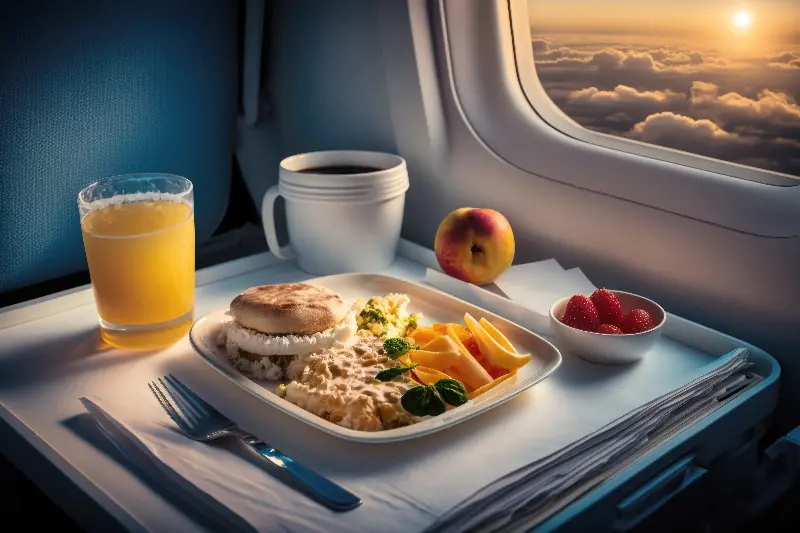
If you’ve ever bitten into an airplane meal and wondered why it tastes oddly bland or underwhelming, you’re in good company. The mystery of the flavorless airline dinner has puzzled travelers for decades, but science offers some compelling answers. It all starts with our own bodies and the artificial environment of the airplane cabin.
At cruising altitude, the humidity inside a plane plummets to less than 20%—drier than most deserts on Earth. This dry air dehydrates your nasal passages and dampens your sense of smell, which is responsible for up to 80% of what we perceive as flavor.
The Science Of Sensory Suppression
Cabin pressure at cruising altitude is equivalent to standing on a mountain peak more than 2,000 meters high. This physical environment has a dramatic effect on your biology:
- Numbed Taste Buds: Research suggests that our detection of sweet and salty flavors drops by as much as 30% when flying.
- The "White Noise" Factor: The constant drone of engines—measuring up to 85 decibels—actually distracts the brain from subtle flavors. Interestingly, loud noise has been shown to enhance the enjoyment of crunchy textures while suppressing the appreciation of sweetness.
- Olfactory Fatigue: Because the air is so dry, the odor molecules that carry flavor to our brains simply don't travel as effectively, making that chicken or pasta dish seem lifeless.
How Airlines Fight Back Against Altitude Flavor Loss
To tackle the notorious blandness, airlines have turned to food scientists and flight kitchens to rethink their recipes. Simply adding more salt isn't a healthy or effective long-term solution. Instead, they have focused on Umami—the savory "fifth flavor."
- The Tomato Juice Phenomenon: Have you ever noticed how many people order tomato juice on a plane but never on the ground? Tomatoes are packed with umami, a taste that remains stable and robust even at high altitudes.
- Aromatic Ingredients: Savvy chefs now prioritize ingredients like mushrooms, aged cheeses, and soy sauce to provide deep, savory notes that stand up to low pressure.
- Bold Seasoning: To awaken the senses, modern menus rely on "punchy" spices such as curry, ginger, lemongrass, and chili. These aromatics provide a sensory hit that bypasses the dulled salt receptors.
Innovation In The Flight Kitchen
The science of airplane food is evolving from simple recipe tweaks to high-tech sensory labs. Major carriers like Lufthansa and Singapore Airlines now invest in pressurized chambers that mimic in-flight conditions.
- Texture Frontiers: Knowing that subtle flavors get lost, chefs are introducing more textural contrast—pairing creamy risottos with crisp toppings or using slow-cooked stews that stay moist during reheating.
- Psychological Hacks: Airlines like Delta have experimented with specific mood lighting to subtly boost the perception of freshness.
- Aroma Domes: Some premium cabins use covered dishes that trap and intensify the food’s natural scents, forcing the passenger to engage their sense of smell immediately upon serving.
Altitude-Proof Beverages
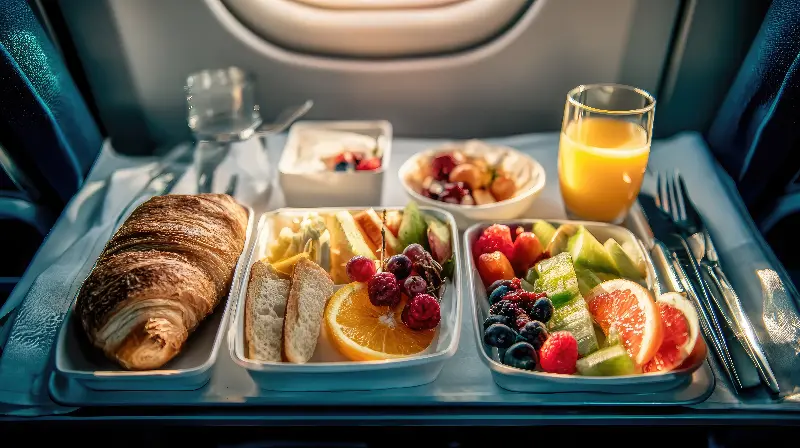
It’s not just the food that gets a science upgrade; the drinks trolley is also undergoing a transformation. Pressurized air changes the chemical profile of what we drink, particularly wine.
- Bold Profiles: Sommeliers now select wines with higher acidity and bolder fruit notes to compensate for the dulled palate. A delicate Pinot Noir that tastes elegant on the ground might taste like water in the air; therefore, robust Syrahs or high-acid Rieslings are often preferred.
- Custom Brews: Some airlines have collaborated with craft breweries to create "altitude-proof" beers with specific hop profiles designed to taste perfect at 35,000 feet.
Clean Labels And The Future Of Flying
Modern travelers are more health-conscious than ever. Airlines like Emirates and Norwegian Air are responding by moving away from artificial additives and heavy sodium.
- Specialized Marination: Using high-quality herbs and long marination processes to "lock in" flavor without extra salt.
- Global Inspiration: Middle Eastern mezze, Indian curries, and Japanese rice bowls are naturally suited for high-altitude dining because of their bold, robust flavor bases.
- 3D-Printed Food: Looking ahead, airlines are trialing 3D printing to ensure precise texture control and customized seasoning kits, allowing passengers to personalize their meal's intensity.
The next time you’re served a meal in the sky, remember: there is a dedicated team of scientists and chefs working to win the battle of the taste buds. We are entering a new golden age of in-flight dining, where the culinary experience finally matches the height of the journey.