


In the fast-paced whirl of modern life, the car has evolved beyond a mere mode of transportation. It's become a mobile office, a dining room, and occasionally, an impromptu bedroom after a long drive. One of the conveniences it provides is the ability to charge our phones on the go, ensuring we stay connected. However, this seemingly innocuous practice of charging your smartphone in your car could be silently sapping the life from your precious device—and potentially your wallet.
The Voltage Dilemma: Understanding Car Charging Limitations
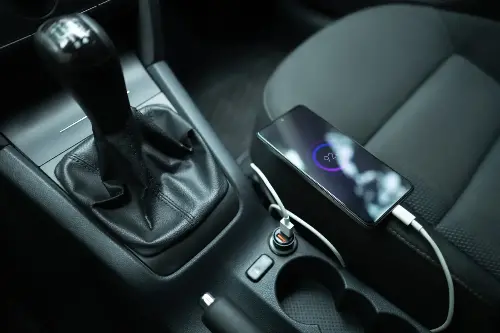
The USB port in your vehicle operates at a lower amperage than the typical wall charger that comes with your smartphone. This difference is not simply a matter of charge speed, it also impacts the quality of the charge your phone receives. Slow, inefficient charging is not just about patience; it's about the health of your phone's battery. Every time you plug your phone into the car's USB port or cigarette lighter adapter, the lower voltage can cause your phone to charge unevenly, which over time degrades the battery's capacity.
Furthermore, phone batteries are composed of lithium-ion cells, which are highly sensitive to temperature changes. On a sweltering summer's day or in the depths of winter, the internal environment of a car is far from the stable conditions recommended for optimum battery preservation.
Safety Risks: When Convenience Becomes a Hazard
Aside from the long-term battery issues, charging your phone in the car presents immediate safety risks that often go unnoticed. It's not just about the distraction of a cable across the console; your phone's battery is vulnerable to fluctuations in the car's electrical supply. Surges can happen when you start the engine, and these surges may harm your phone's internal electronics.
Moreover, utilizing GPS and other high-power functions while charging can put additional strain on the phone's battery. This can result in overheating, which not only damages the phone but also creates the potential for more serious safety issues, including fire. Remember that lithium-ion batteries are sensitive, and heat is their adversary.
Data Privacy: The Unseen Threat of Public Charging Ports
Modern vehicles are marvels of connectivity, designed to integrate seamlessly with our digital lives. However, this also opens up a pathway for data vulnerability. Public USB ports, including those in cars, can be manipulated to access data from your device through a method known as juice jacking. This is less of a concern when dealing with your own vehicle, but becomes relevant when using car-sharing services or rentals where previous users could have potentially tampered with the ports.
Moreover, when your phone is connected to your car's system via USB, there's a constant exchange of information. From contacts to messages, your private data is vulnerable if the vehicle's system were to be compromised.
Preserving Your Battery Life: Better Charging Practices
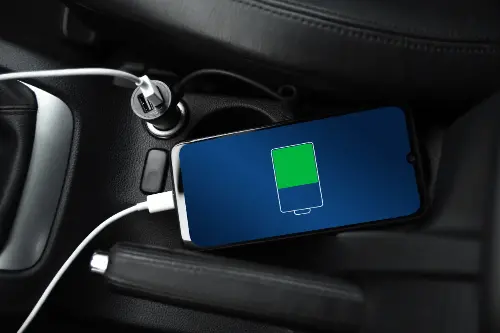
It's not all doom and gloom; there are practical ways to mitigate these risks. For instance, consider using a high-quality, dedicated car charger that's designed to deliver the correct amperage for your phone. These chargers often come with built-in surge protection to safeguard your device against erratic voltages.
Also, avoid using your phone for high-power tasks while it's charging in the car. If you need to navigate, for example, set your destination before you start the journey and let the phone use the battery power exclusively for that task. This limits the risk of overheating and reduces the strain on the battery.
Finally, keep your phone out of direct sunlight and try not just to leave it lying around the car. Extremes of temperature are harmful to batteries, and prevention is simple: store your phone in a cooler compartment when charging, or wait until you reach your destination.
Investing in the Longevity of Your Device
In the grander scheme of things, taking care of your phone's battery is an investment in the device's longevity. By adopting safer charging practices, you not only avoid the risks associated with charging in the car but also prolong your phone's life. It's tempting to rely on the car's convenience, but the costs associated with reduced battery life, potential data breaches, and device damage can far outweigh the benefits.
Embracing the wireless future might also save you from these headaches. With many cars and smartphones now supporting wireless charging, this contactless approach eliminates concerns over voltage compatibility and data privacy.
Charging your phone in the car is undeniably convenient, but it's laden with hidden risks that can have lasting consequences. To prevent unnecessary strain on your device, it's wise to be mindful of when and how you charge your phone on the go. A bit of caution goes a long way in ensuring that your smartphone stays smart and your travels remain trouble-free.