


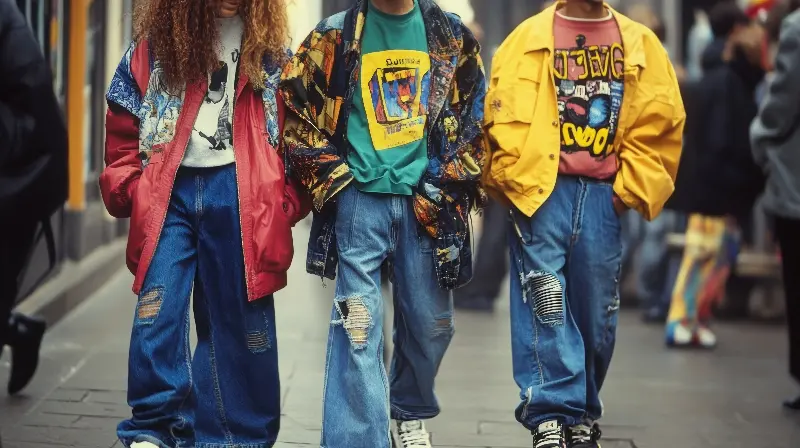
Since its origins in the Bronx during the late 1970s, hip-hop culture has profoundly influenced not just music and dance, but also how we dress. Born out of creativity, resistance, and a desire for self-expression, hip-hop style has become an integral part of mainstream fashion. What started in block parties and urban neighborhoods is now seen on high-fashion runways worldwide, forever changing the fabric of our everyday wardrobes.
ROOTS OF EXPRESSION: THE BIRTH OF HIP-HOP STYLE
The early architects of hip-hop weren’t just lyricists and DJs—they were also pioneers in making bold style statements. Fashion became an extension of the culture’s ethos: rebellious, resourceful, and distinctly urban. Youths in the Bronx crafted their looks from whatever was available, setting the stage for an atmosphere where individuality reigned supreme.
Several key elements defined this era:
- Tracksuits: Brands like Adidas and Puma became the unofficial uniform for B-boys.
- Headwear: Kangol hats added a layer of sophisticated swagger.
- Oversized Silhouettes: Baggy clothing provided the necessary range of motion for breakdancing.
- Bling: Large gold medallions and personalized nameplates served as badges of identity and pride within marginalized communities.

SIGNATURE PIECES TURNED MAINSTREAM STAPLES
Many pieces that were once exclusive to hip-hop scenes are now closet essentials. Consider the humble sneaker: what started as a local status symbol became a global fashion phenomenon. Run-D.M.C.’s endorsement of Adidas Superstars—worn without laces—catapulted sneakers into the realm of must-have style, leading to the modern sneakerhead culture where limited-edition releases cause lines around the block.
Other staples include:
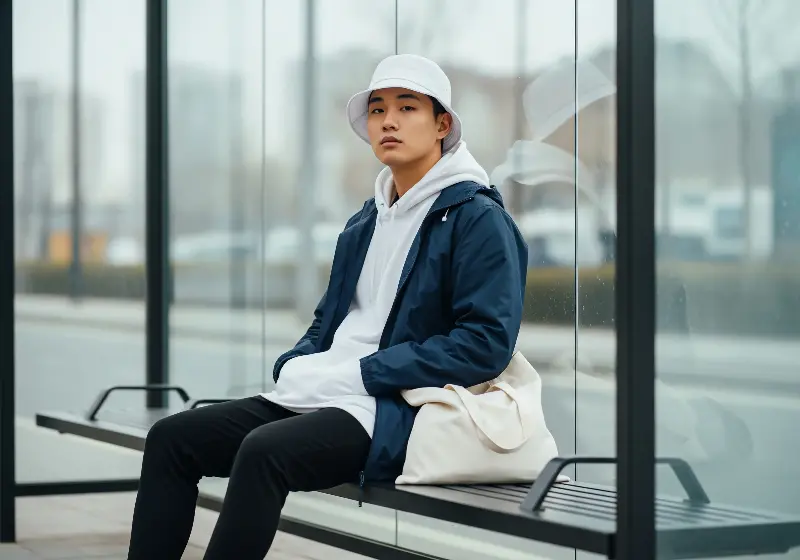
- Bucket Hats: Exploded into popularity via icons like LL Cool J and Missy Elliott.
- Hoodies: First adopted for functionality and anonymity, they are now a universal symbol of comfort-wear.
- Logomania: Once considered garish by traditionalists, wearing a visibly branded item is now a global statement of belonging and taste.
LUXURY LABELS MEET STREET CRED
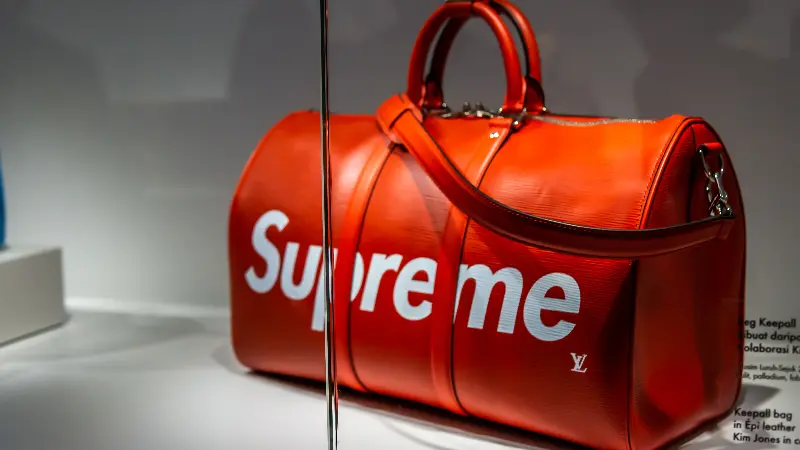
Arguably one of the most significant impacts hip-hop has had on fashion is the blurring of lines between streetwear and luxury. Rappers such as Notorious B.I.G., Tupac Shakur, and later Kanye West and Pharrell Williams, redefined the rules by mixing designer labels like Versace, Gucci, and Louis Vuitton with everyday street staples.
This new aesthetic recalibrated what high fashion could be. By the 2000s, major fashion houses embraced this shift, leading to:
- High-End Collaborations: The Louis Vuitton x Supreme partnership sent shockwaves through the industry.
- New Leadership: Virgil Abloh, founder of Off-White, became the artistic director at Louis Vuitton, bringing hip-hop's core aesthetics to the pinnacle of luxury.
- Style Hybridization: Today, it is entirely common to see a luxury handbag paired with vintage sneakers, a direct legacy of hip-hop's "mix-and-match" philosophy.
WOMEN IN HIP-HOP: BREAKING STYLES AND STEREOTYPES
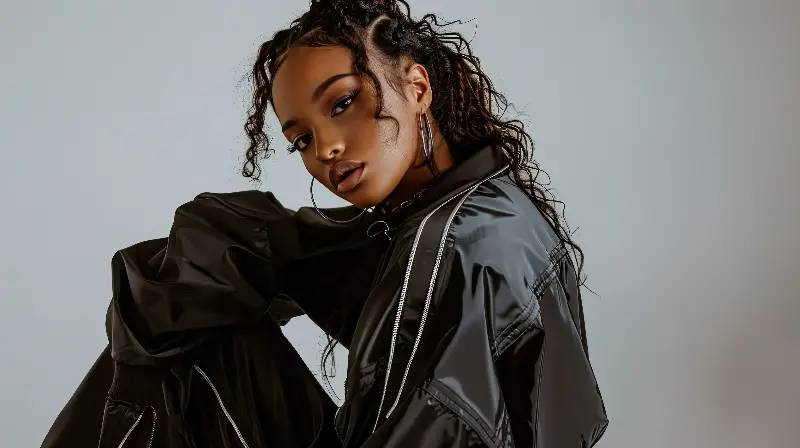
Hip-hop’s influence on fashion isn’t just a male story. Female artists have continually pushed boundaries, using style to express self-possession and power. From Queen Latifah’s Afrocentric crowns to Lil’ Kim’s daring, colorful ensembles, women have redefined femininity.
Modern icons like Cardi B and Nicki Minaj continue this tradition by blending:
- Body-hugging silhouettes with neon colors.
- Lavish embellishments and high-gloss glamour.
- Streetwear Sensibility: Ensuring that luxury always feels grounded in urban roots.
- Beauty Trends: Intricate nail art and oversized hoop earrings have traveled from inner-city neighborhoods to global beauty counters.
CROSSOVER TO POPULAR CULTURE AND GLOBAL FASHION
What’s remarkable about hip-hop’s sartorial legacy is how it transcends borders. Fashion brands worldwide have reinterpreted classic staples, from varsity jackets to graphic tees. Even the "snapback" cap now crowns heads from Tokyo to Paris. The culture’s influence runs so deep that terms like “streetwear” and “urban fashion” are now standard in the global style vocabulary.
Hip-hop’s greatest fashion legacy is its unapologetic embrace of individuality and creativity. The genre does not dictate dress codes; instead, it encourages everyone to express themselves with confidence. In a world where fashion can sometimes feel exclusive, hip-hop’s influence invites inclusivity. Whether you are inspired by the classics or the avant-garde, hip-hop has given everyone permission to play, reinvent, and set their own trends. It’s a revolution you can wear every day.