


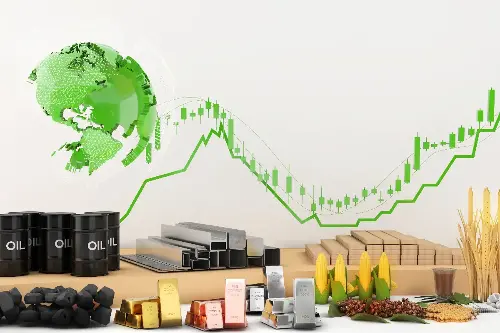
When one considers the vast complexities inherent in the global market, it becomes apparent that commodities play a fundamental and often underappreciated role in our daily lives. These raw materials, ranging from energy resources like oil and natural gas to soft commodities such as coffee and cotton, serve as the very building blocks of international commerce, nurturing economies and shaping societies.
The Origins of Commodity Trade
The trade of commodities is not a modern phenomenon; it is as ancient as the oldest civilisations. For centuries, merchants traversed continents, bearing goods like spices, silk, and precious metals, which were coveted for their rarity and utility. In the modern era, this exchange has only intensified with commodities becoming an instrumental part of global market dynamics.
Energy Commodities: Fuelling Economies and Conflict
Oil, natural gas, and coal are often the first to come to mind when one speaks of commodities. Their importance cannot be overstated, as they are critical to running industries, powering homes, and fuelling transportation. Nations rich in these resources wield significant geopolitical influence, with their export revenues underpinning national economies. However, the centrality of energy commodities can also lead to conflict and market volatility, as witnessed by fluctuations in oil prices that send ripples across the global economy.
Metals and Mining: From Infrastructure to Investment
Metals, both precious and industrial, form another cornerstone of the commodity world. Gold and silver, for instance, are not only used in jewellery and electronics but also as safe-haven investments during economic turbulence. On the other hand, industrial metals like iron ore and copper are essential for construction and manufacturing. These metals help to forge the infrastructure of the built environment and serve as a barometer for economic health, with rising demand often signalling industrial growth.

Agricultural Commodities: Nourishing The World
Agricultural commodities — including grains, meats, and tropical products like coffee and sugar — are indispensable. The trade in agricultural products is as old as agriculture itself, dating back thousands of years. Today, their significance is underscored by the increasing global population and the corresponding need for food security. Trade disputes, weather patterns and environmental challenges directly impact prices and availability, affecting everyone from farmers to consumers worldwide.
Soft Commodities: The Delicate Threads of Trade
Beyond the heavyweights of the commodity market, soft commodities like cotton, wool, and rubber are crucial to the textile and automotive industries, among others. The cultivation and export of these commodities play a vital role in the economies of developing nations, offering employment and avenues for development. However, the market for soft commodities can be particularly sensitive to changes in consumer trends, economic health, and environmental concerns.
Technology's Impact on Commodity Trade
Technology has dramatically reshaped the commodity landscape, facilitating real-time trading and expanding access to markets. Innovations in logistics and transportation have streamlined the supply chain, reducing costs and improving efficiency. Simultaneously, advancements in agriculture and resource extraction have enhanced productivity. Yet, the rise of technology brings its challenges, such as the need for sustainable practices and the handling of electronic waste.

Sustainability and the Future of Commodities
The tide is turning towards sustainable and ethical sourcing of commodities, driven by environmental concerns and social responsibility. The emphasis on reducing carbon footprints, preserving biodiversity, and ensuring fair labour practices is reshaping the industry. As renewable energy sources like wind and solar power gain traction, the traditional commodity landscape is set for transformative change.
In conclusion, the lifeblood of international trade is found in the flow of commodities that connect producers and consumers across the globe. The interdependence created by this trade is a testament to its vitality, with every fluctuation in the commodity markets echoing through the corridors of global finance and the fabric of everyday life. Understanding the intricate tapestry of commodities and their multifaceted role offers not just insight into the mechanics of trade but also into the very manner in which our interconnected world operates.