


In recent years, noise-cancelling headphones have become a ubiquitous sight in offices, public transport, and homes. These devices are touted for their ability to create a personal oasis of silence in a noisy world. They work by using active noise control to generate an "anti-noise" signal to cancel out external sound waves. The technology is clever and undeniably effective in offering a respite from the cacophony of everyday life. However, as we retreat into our private soundscapes, questions arise about the potential impact on our hearing health.
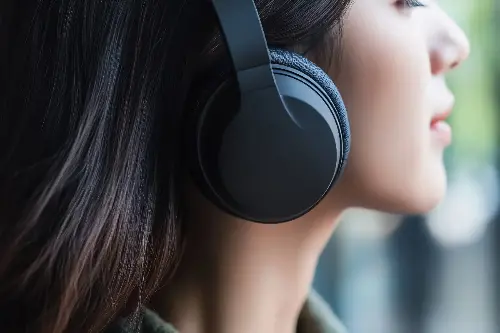
Exploring the Link Between Headphones and Tinnitus
An emerging concern with the proliferation of noise-cancelling headphones is their possible association with tinnitus—a condition often characterised by chronic ringing, buzzing, or hissing in the ears when no external sound is present. Tinnitus can be a symptom of damage to the sound-sensitive cells of the cochlea, a spiral-shaped organ in the inner ear. With headphones becoming a mainstay for many, from drowning out distractions during the workday to enjoying high-fidelity music, have we considered if they could be exacerbating or even causing ear-related issues?
Analysing the Potential Risks
The risk of hearing damage depends not just on the volume, but also on the duration of exposure. Noise-cancelling headphones themselves are not inherently dangerous and, arguably, can help preserve hearing by allowing users to listen to content at lower volumes, despite the surrounding noise. However, the convenience and effectiveness of these devices can tempt users to wear them for prolonged periods. Extended use, particularly at high volumes, can lead to overexposure to noise, placing stress on the ears and potentially causing damage over time.
In addition, there is speculation regarding whether the noise-cancellation process itself could lead to a sensation of pressure, fullness, or even tinnitus in some users. While current research has not conclusively proven this to be the case, anecdotes of discomfort from some users warrant a closer look into individual susceptibility and potential long-term effects.

Healthy Hearing Habits with Headphones
With these concerns in mind, it is crucial to adopt healthy listening habits. Experts recommend adhering to the 60/60 rule: listening at no more than 60% of the maximum volume for no more than 60 minutes a day. Taking regular breaks from headphone use can also alleviate prolonged pressure on the ears and give your auditory system a chance to recover from any temporary threshold shift—a short-term reduction in hearing sensitivity following loud noise exposure.
Another important practice is to properly maintain and clean your headphones, as excessive build-up of earwax can not only affect sound quality but also contribute to ear discomfort and potential infections. Ensuring a proper fit is key as well; incorrectly fitting earpieces can lead to an increase in volume as users attempt to compensate for sound leakage, inadvertently increasing the risk of ear damage.
Taking Precautions and Seeking Professional Advice
For those who already experience tinnitus or other hearing issues, it is advisable to consult with an audiologist before using noise-cancelling headphones. Health professionals can provide personalised advice and strategies to prevent potential aggravation of symptoms. Understanding the limitations of one's own hearing health is essential in preventing undue strain on the auditory system.
For many, noise-cancelling headphones remain a convenient and effective tool to enhance focus and enjoyment of audio content without external distractions. By staying informed and mindful of their usage, individuals can mitigate the risks while reaping the benefits of these devices. It is not about shunning technology but rather embracing it with an awareness of its impact on our well-being.
As with any technological advancement, balance is key. Noise-cancelling headphones have dramatically improved our ability to control our auditory environment, but we must remain vigilant about the volume and duration of our exposure. By doing so, we ensure these revolutionary devices remain an asset rather than a liability to our hearing health.