


For centuries, caviar has been synonymous with luxury, refinement, and celebration. Whether served at royal banquets or high-end dining rooms, this delicacy from the sturgeon family symbolises the pinnacle of culinary achievement. But what makes these tiny, glistening pearls so treasured across cultures, especially in an era when so many other gourmet foods compete for attention? Let’s dive into the rich world of caviar, unravelling its captivating history, diverse types, and the meticulous art of its production.
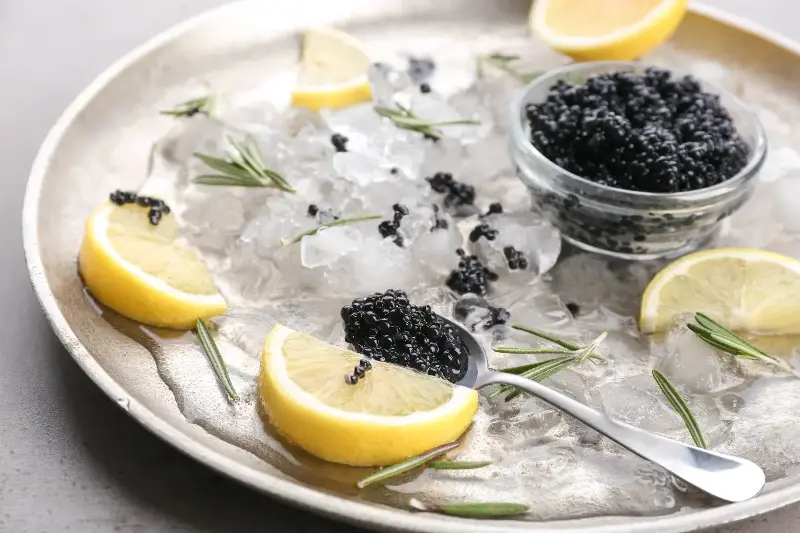
Caviar Through the Ages: A History of Luxury
The journey of caviar began thousands of years ago. Ancient Persians were among the first to savour salted fish roe, believed to bestow health and strength. The word “caviar” itself is thought to come from the Persian word “khav-yar,” meaning “cake of strength.” Later, it became a staple of Russian Tsars and aristocracy, solidifying its luxurious reputation in Europe once it hit the tables of French nobility in the 19th century.
In Russia, black caviar was more than a delicacy—it was a form of wealth, often used as currency and reserved for the elite. By the early 20th century, caviar’s prestige transcended borders. It was served in grand hotels and sophisticated restaurants across Europe, enticing the wealthy and curious alike. Today, caviar continues to be a marker of prestige, though its reach has expanded to luxury experiences worldwide—from Singapore’s rooftop bars to exclusive hotels in Bangkok, Jakarta, and beyond.
Understanding the Types: More Than Just ‘Black Gold’
While most people equate caviar with sturgeon roe, not all fish eggs are true caviar. The three most esteemed caviar types come from wild sturgeons found in the Caspian and Black Seas—Beluga, Ossetra, and Sevruga. Each one offers a unique flavour, texture, and allure.
Beluga caviar is the largest and rarest. Its pearls are firm, glossy, and exceptionally delicate, prized for their creamy, buttery notes. Ossetra caviar is medium-sized and varies in colour from golden to brown. Its flavour is distinctly nutty, often admired by connoisseurs. Sevruga caviar, the smallest of the three, features a more intense, briny taste, loved by those who appreciate bold flavours.
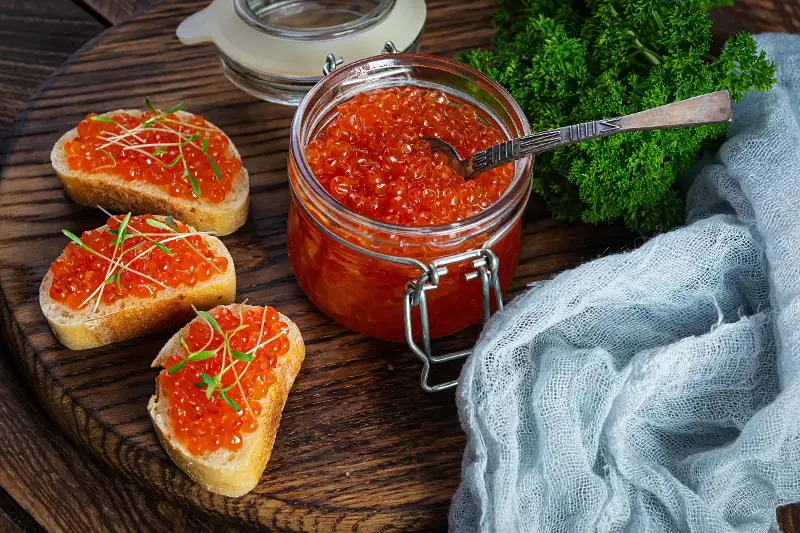
Beyond these classics, the rise of sustainable caviar farming has led to the popularity of species such as Siberian and White Sturgeon. There is also a growing market for roe from fish like salmon (red caviar), trout, and even lumpfish. While technically not “true” caviar, these varieties offer more affordable luxury and are gaining favour with chefs and food lovers throughout Southeast Asia.
The Art and Science of Caviar Production
Creating world-class caviar is a delicate blend of tradition, science, and patience. It starts with carefully raised sturgeon, which can take between seven and 20 years to reach maturity. Timing is crucial—the eggs must be harvested at the perfect moment, just before natural spawning occurs.
After harvesting, the roe is gently separated from the membrane. Expert “caviar masters” inspect the eggs for size, colour, and firmness; only the best qualify for high-grade caviar. The eggs are then rinsed and lightly salted; this “malossol” method—meaning “little salt” in Russian—preserves the caviar’s distinctive character and subtlety. Immediately, the caviar is packed into tins, where it matures for days to weeks, enhancing its nuanced flavours.
Modern producers are deeply committed to sustainable practices, given that many wild sturgeon species face critical endangerment. Aquaculture farms, especially in China, Italy, and even Malaysia, now lead the way in ethical production, using controlled environments to ensure both the survival of the species and consistent quality.
Caviar Culture in Southeast Asia
Though caviar’s origins lie far from Southeast Asia, its presence in the region has blossomed in recent years. With growing international travel and a rising appreciation for global cuisine, caviar has become a sought-after feature in high-end restaurants and luxury hotels from Kuala Lumpur to Manila.
Local chefs experiment with caviar, pairing it with Asian ingredients: imagine it atop Japanese sushi, Thai spicy rice, or even spread over Singaporean kaya toast for a playful twist. Its appeal lies not only in the taste and texture but in the glamour and experience—caviar brings people together to savour the moment, whether for happy celebrations, business triumphs, or once-in-a-lifetime indulgences.
The Allure of Caviar: Why It Remains Unmatched
What sets caviar apart from other delicacies? Its scarcity plays a major role—sturgeon take years to mature, and only a fraction of the harvested roe meets the highest standards. Meticulous craftsmanship, unpredictable harvests, and a delicate shelf-life all contribute to its enduring mystique.
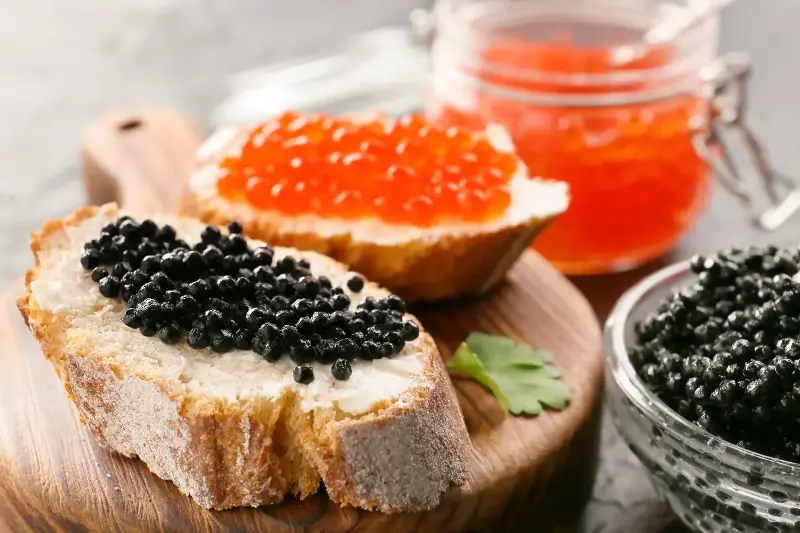
Yet perhaps its most compelling quality is the sensory experience: caviar is not just food, but a ritual. From the chilled mother-of-pearl spoon that protects its flavour, to the gentle pop and creamy finish on the tongue, each bite tells a story of history, ecstasy, and elegance.
Caviar continues to delight and intrigue, a little black gem at the intersection of culture, science, and pure pleasure. For those who taste it, caviar remains, without doubt, the ultimate symbol of luxury—beautiful, enigmatic, and unforgettable.