


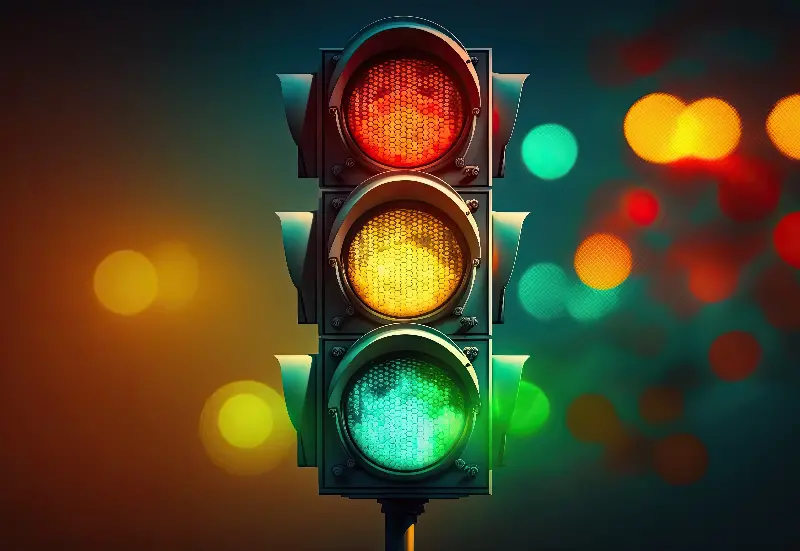
Imagine a world without traffic lights: intersections clogged with frustrated drivers, pedestrians racing to dodge vehicles, and the constant wail of sirens responding to never-ending crashes. It’s a scenario that’s hard to picture today, thanks to the quiet governance of traffic lights. While we often find ourselves impatiently tapping steering wheels or hurrying across the street at a yellow, these unobtrusive signals represent an elegant blend of engineering, psychology, and social order—saving millions of lives while shaping the design and flow of cities worldwide.
The Emergence of an Urban Guardian
The story of the traffic light began in London in 1868, when the world’s very first traffic signal was installed outside the Houses of Parliament. It was a manually operated gas-lit system, intended to control horse-drawn carriages and pedestrians. Unfortunately, it exploded less than a year later, but the concept quickly took root. The first electric traffic lights appeared in Cleveland, Ohio, in 1914, bringing with them a revolution in urban mobility.
Since then, the technology has evolved spectacularly, making intersections safer, cities more functional, and economies more productive. Today, over 300,000 traffic lights operate in the United States alone, with millions more guiding vehicles and pedestrians in almost every country worldwide.
Saving Lives with Simple Signals
Why do traffic lights matter so much? The numbers speak volumes. According to the World Health Organization, over 1.3 million people die in road traffic crashes every year. Intersections are among the most dangerous spots, with conflicting streams of vehicles and people crossing paths. Well-designed traffic lights reduce fatal crashes by up to 50% at dangerous intersections. By providing clear, universally understood signals, they take the guesswork out of crossing and merging, dramatically cutting down the risk of collisions.
Modern traffic lights do more than just alternate red, yellow, and green. Many include countdowns for pedestrians, signals for cyclists, and sensors that react to vehicle flow, optimizing wait times and minimizing frustration. In fact, adaptive traffic lights that adjust in real time have been shown to improve traffic flow by up to 20% in busy cities, further reducing idle time and pollution.
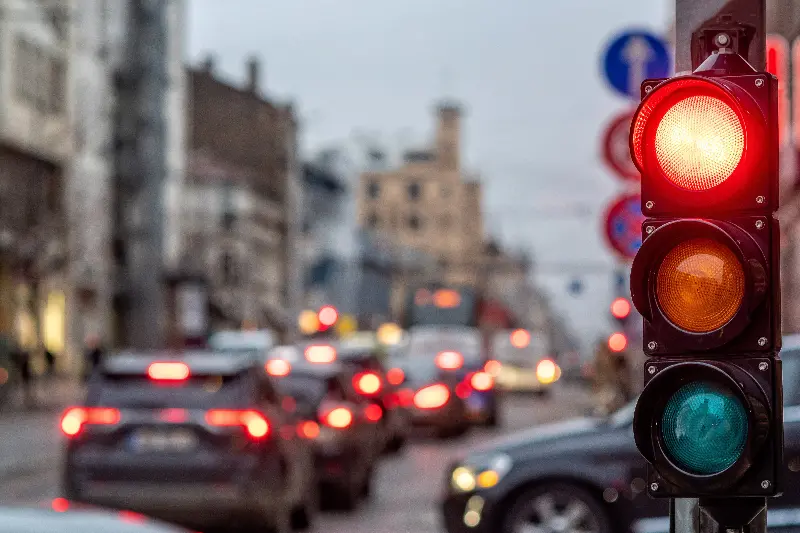
Shaping the Urban Landscape
It’s not just about safety—traffic lights are powerful instruments of urban planning. Their placement and timing dictate not only the movement of vehicles but also influence pedestrian routes, the location of businesses, and even the design of neighborhoods.
Engineers and city planners use traffic lights to control the “pulse” of a city. For example, on Manhattan’s famous avenues, carefully timed lights (known as green waves) let cars glide through dozens of blocks with minimal stops, alleviating congestion. In some European cities, traffic lights work in tandem with public transit signals, giving buses and trams priority and encouraging greener travel habits.
Traffic lights also play a vital role in ensuring equitable access. By allocating time for pedestrians, cyclists, and individuals with disabilities to safely cross busy streets, they help build more inclusive, people-friendly cities. The push-button crossing signals for visually impaired pedestrians may seem simple, but for tens of millions around the globe, they represent empowerment and safety.
Engineering Precision Behind the Scenes
Behind each glowing signal is an impressive array of sensors, timers, and algorithms. Traffic engineers conduct detailed studies—tracking vehicle counts, average speeds, pedestrian patterns, and even the effect of weather conditions. This data helps cities update timings to match traffic trends, prevent bottlenecks, and accommodate special events.
In the age of smart cities, many traffic lights are becoming connected—using cameras and AI to predict congestion, adjust signals on the fly, and even communicate with autonomous vehicles. In Tokyo, for example, advanced traffic management systems harness big data to orchestrate over a thousand intersections, ensuring that millions of residents can move smoothly across one of the world’s densest urban landscapes.

A Global Language for All
One of the most remarkable feats of the traffic light is its universality. From the bustling streets of Mumbai to the icy roads of Oslo, red means stop, green means go, and yellow means caution. This “global language” enables tourists, immigrants, and locals to safely navigate unfamiliar cities. It fosters order and cooperation even among complete strangers, uniting us in a shared, silent protocol.
Occasionally, cities experiment with turning off traffic lights to test driver and pedestrian behavior. The result is almost always chaos—proving just how much we rely on these silent sentinels. In this sense, traffic lights don’t just guide traffic; they embody a city’s social contract, reminding us to take turns, look out for one another, and trust in a system designed to keep everyone safer.
While it’s easy to take traffic lights for granted, their impact on our daily lives is hard to overstate. Every time a light turns green, it’s not just the flow of traffic that resumes—it’s a testament to human ingenuity, collective discipline, and our shared desire to move through the world safely and efficiently.
So the next time you pause at a red, spare a moment to appreciate the quiet brilliance overhead. For in the blink of those changing lights lies the invisible shield that guards our cities, saves lives, and keeps the world moving forward.