


In an increasingly interconnected world, the demand to master multiple languages has never been greater. Gone are the days when traditional textbooks and dry grammar exercises were the sole means of acquiring a new tongue. The classroom today is global, digital, and filled with engaging resources that break down the barriers to language mastery.
Among the standout tools in this modern era are films and podcasts, which offer a truly immersive, enjoyable, and effective approach to learning any language effortlessly. By shifting from rote memorization to active consumption, learners can transform a daunting task into a vibrant cultural exchange.
THE GLOBAL CLASSROOM REVOLUTION
With the rise of the internet, learning has transcended borders. Wherever you are—whether in a small town or a bustling metropolis—resources that once seemed out of reach are now a click away. This connectivity has given birth to the "global classroom", where language learners worldwide can access authentic material produced by native speakers.
Unlike traditional classrooms confined by four walls, this model encourages:
- Context over Rules: Learning how words are used in real life rather than just in a list.
- Cultural Fusion: Understanding the "why" behind expressions by seeing the culture they come from.
- Learner Autonomy: Empowering students to choose content that aligns with their personal passions.
As a result, proficiency moves beyond memorizing rules, evolving into a living, breathing skill shaped by everyday use.
WHY FILMS ARE A LANGUAGE-LEARNING SUPERPOWER
Imagine picking up Spanish while watching an Almodóvar classic or improving your French through gripping Cannes-nominated dramas. Films provide far more than entertainment—they immerse viewers in natural dialogue, local accents, and cultural nuances that textbooks simply cannot replicate.
Key advantages of cinema-based learning include:
- Visual Reinforcement: Body language, facial expressions, and settings provide clues that clarify the meaning of words without needing a dictionary.
- Authentic Speech Patterns: Dialogue in movies is designed to sound natural, training your ear for actual conversation rather than robotic textbook recitations.
- The Power of Subtitles: Beginners can use native subtitles to understand the plot, while intermediate learners can use target-language subtitles to accelerate reading speed and word recognition.
Additionally, films often reflect current slang, idiomatic expressions, and trends. By repeatedly hearing how native speakers interact in various scenarios, learners gain the confidence to participate in real-life dialogues instead of feeling lost or hesitant.
PODCASTS: THE HIDDEN GEM OF LANGUAGE FLUENCY
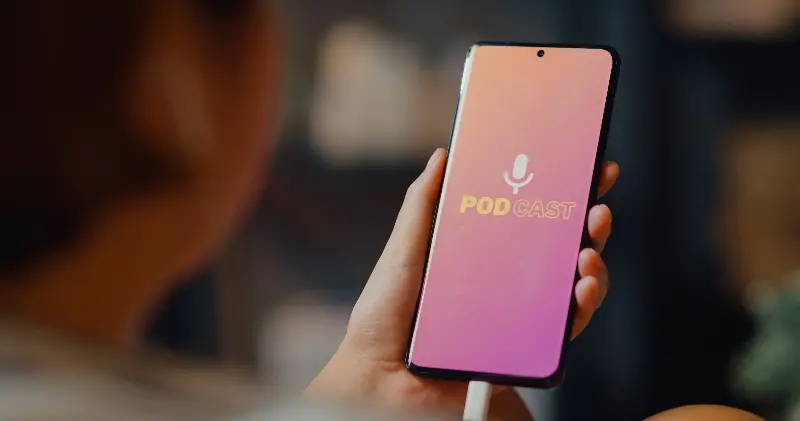
If films are the gateway to language through visuals, podcasts are the key to mastering the art of listening. Podcasts can be enjoyed anywhere—whether you’re commuting, exercising, or relaxing at home—making them a flexible addition to even the busiest lifestyle.
Listening to native speech regularly builds comprehension and trains you to pick up on different accents and speech rates. An interesting fact: the spoken vocabulary in podcasts covers far more ground than that found in most classrooms. Studies estimate up to 4,000 unique words per week in a single podcast episode, compared to just a few hundred in traditional lessons.
Why podcasts act as a "secret weapon":
- Active Processing: Without visual cues, your brain works harder to process sounds, which significantly improves long-term retention.
- Organic Exchanges: Podcasts often involve unscripted interviews or storytelling, exposing you to the filler words and hesitations that make speech sound human.
- Niche Interests: Whether you love true crime, tech, or comedy, you can find a podcast that makes you forget you are actually "studying".
MAKING LANGUAGE LEARNING EFFORTLESS AND ENJOYABLE
The key to effortless learning is enjoyment. Films and podcasts transform language acquisition from a chore into a hobby. When you are invested in a plot or a character's development, words and phrases stick with you longer than they would through rote memorization.
Technology further enables this process through:
- Adjustable Playback: Slowing down audio to 0.75x speed helps beginners catch every syllable.
- Curation Algorithms: Streaming platforms suggest content based on your proficiency and interests.
- Low-Anxiety Environment: You are free to rewind, repeat, and pause as needed, removing the pressure of performing perfectly in front of a class.

TIPS TO MAXIMIZE YOUR LEARNING EXPERIENCE
For the best results, you should treat your media consumption as an active exercise rather than a passive one. Consider the following strategies:
- The "Shadowing" Technique: Pause the audio and repeat a sentence aloud, mimicking the speaker’s intonation and emotion exactly.
- Keep a "Slang Journal": Note down three new idiomatic expressions per movie or episode.
- Incremental Challenge: Start with content designed for learners, but gradually move toward content made by native speakers for native speakers.
- Vary the Genre: Alternate between news (clear, formal) and reality TV or movies (slang-heavy, informal).
In sum, mastering a language in the global classroom era is not just possible—it’s engaging, fun, and within everyone’s reach. Films and podcasts are your passport to fluency, bringing the sound and soul of a language into your everyday life.