


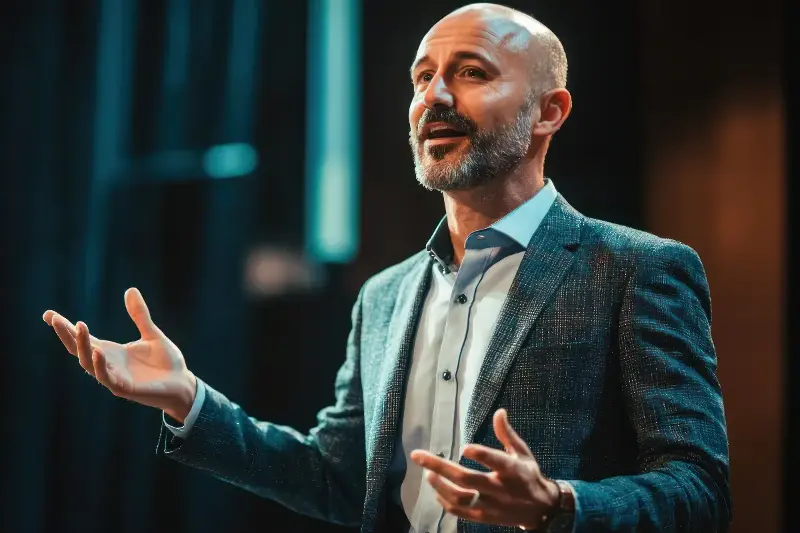
Body language is a universal human experience, shaping our interactions long before we learn to speak. From a fleeting glance to the subtle tapping of fingers, our bodies constantly reveal the emotions that words may try to hide. Whether you are hoping to pick up on a friend’s unspoken feelings or navigate the nuances of a new conversation, understanding the ways body language reveals emotion can turn you into a skilled observer. Let’s explore how the silent language of gestures, facial expressions, and movements uncovers a world beyond words.
THE POWER OF FACIAL EXPRESSIONS
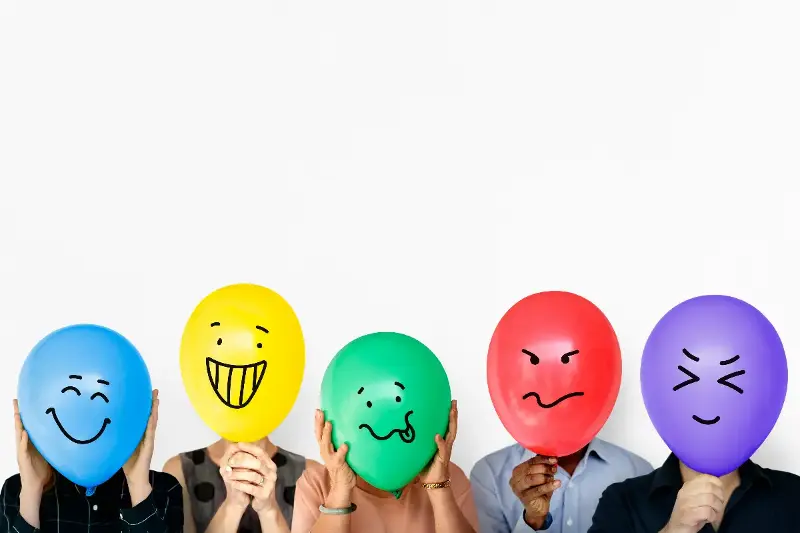
The face is home to an array of muscles capable of creating thousands of expressions, many of which are universal. Research has shown that core emotions—such as happiness, sadness, surprise, and joy—are recognized across cultures by their facial signals.
- The Duchenne Smile: A genuine smile involves not just upturned lips but also crinkling around the eyes. This signals true happiness.
- Forced Smiles: These often involve only the mouth muscles and lack the engagement of the eye area.
- Microexpressions: These are quick, involuntary facial movements that flicker across a face in less than half a second. Spotting a flash of surprise or joy before it is concealed provides deep insight into someone’s true emotional state.
GESTURES THAT SPEAK LOUDER THAN WORDS
Gestures often amplify or contradict spoken language. These movements instantly set the tone of an interaction:
- Open Palms: Generally suggest honesty, transparency, and a willingness to engage.
- Mirroring: The unconscious imitation of another person’s gestures. When two people reflect each other’s movements, it often indicates they feel connected and in rapport.
- Signs of Stress: Fidgeting, wringing hands, or tapping fingers can be signs of discomfort or nervous energy. Conversely, keeping hands visible suggests a calm and open demeanor.
POSTURE AND PERSONAL SPACE
A person’s posture may silently narrate their level of confidence or comfort.
- Upright Posture: Shoulders back and a tall stance often signal self-assurance and positive energy.
- Engaged Leaning: Someone leaning in during a conversation is likely interested and invested in the exchange.
- Proxemics: The study of personal space. While choosing to stand closer can communicate warmth and intimacy, respecting boundaries is key to ensuring others feel comfortable and valued.

EYES: THE MIRRORS OF EMOTION
Eyes are frequently called the windows to the soul for good reason. Eye contact patterns provide powerful clues about a person’s intentions and feelings.
- Prolonged Eye Contact: Can signal confidence, genuine interest, or deep attraction.
- Pupil Dilation: An involuntary reaction that can indicate excitement or positive engagement with the topic or person.
- The Gaze: Looking upward can indicate thoughtfulness or creativity, while a soft, steady gaze often reflects a comfortable and attentive listener.
BODY LANGUAGE IN CONTEXT
It is essential to remember that body language does not operate in isolation. Cultural norms, individual personality, and the environment all shape how people use and interpret gestures.
To truly read emotional states, look for clusters of cues that support each other. Nonverbal signals are most reliable when they match the context. For example, a person rubbing their hands together on a cold day likely just needs warmth, not a hidden emotional meaning. Always pay attention to changes that occur in response to the conversation to get the most accurate read.

BODY LANGUAGE IN EVERYDAY LIFE
Understanding body language has practical, positive benefits for daily interactions:
- In the Workplace: Tuning into nonverbal cues helps you interpret colleagues' reactions, resolve conflicts, and lead more inclusive, persuasive meetings.
- In Relationships: Increased emotional awareness fosters trust, empathy, and deeper bonds.
- In Personal Growth: Knowing how to read others also helps you become more aware of the signals you send. Adjusting your own posture—such as uncrossing your arms or maintaining kind eye contact—can improve your communication and strengthen your connections with others.
Beyond words, our bodies are constantly communicating stories our voices cannot. By observing the dance of gestures and expressions, you open yourself to a deeper understanding of those around you. In a world full of complex feelings, body language offers a clear, silent guide to human emotion.