


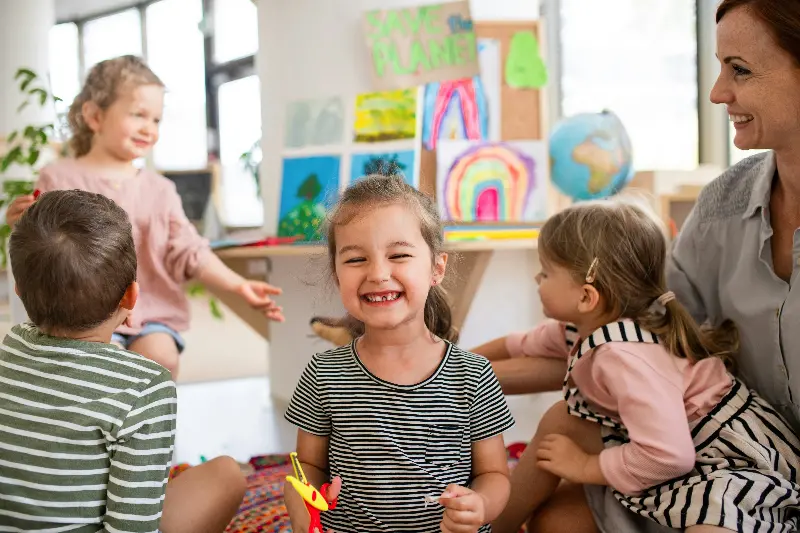
Every parent dreams of watching their little one grow into a confident, kind-hearted person, ready to take on the world. During the preschool years, children learn some of the most important social skills they’ll need for life. These early lessons aren’t just about sharing toys or taking turns—they’re about becoming little heroes, able to protect themselves and resolve conflicts with friends in healthy, positive ways.
Why Conflict Is a Good Thing
While it might tug at your heartstrings to see your child in a squabble at preschool, these little disagreements are actually a sign of normal social development. Preschoolers are learning to express themselves, test boundaries, and understand the feelings of others. Conflict gives them a unique opportunity to practice problem-solving, develop empathy, and gain self-confidence.
Fun fact: Studies have shown that children who experience healthy conflict resolution early on have improved emotional intelligence later in life. They are better able to handle stress and form stronger relationships as adults.
Understanding Preschoolers’ World
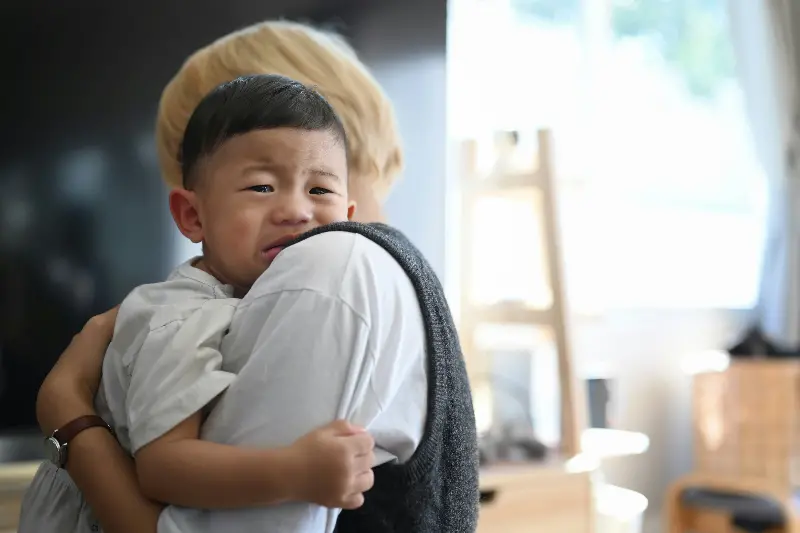
Preschoolers are constantly absorbing new information about themselves and their environment. Many of their reactions are driven by big feelings that they haven’t yet learned to fully understand or communicate. When things don’t go their way—a favorite toy is snatched, or a friend won’t share—it’s common for little ones to become upset or frustrated.
At this age, children are also developing their sense of autonomy and fairness. They might fiercely guard their belongings one moment, then become peacemakers the next. This push-and-pull is normal and reflects their growing awareness of social dynamics.
Teaching Your Little Hero Self-Protection Skills
Self-protection doesn’t mean teaching your child to be physically defensive. Instead, it involves empowering them to use their words, seek help from adults, and stand up for themselves in a calm, respectful manner.
Here are some effective strategies:
- Model assertive communication. Show your child how to express their needs calmly: “I don’t like it when you grab my toy. Please ask next time.”
- Teach your child the difference between tattling and seeking help. Let them know it’s always okay to find a trusted adult if they feel hurt, scared, or unsafe.
- Practice setting personal boundaries. Help your child use phrases such as “Please stop,” or “I need some space.” Role-playing at home with stuffed animals or puppets can make these lessons feel like a game.
Children who feel empowered are less likely to become targets of bullying later on and are more capable of advocating for themselves in difficult situations.
Building Conflict Resolution Superpowers
Preschoolers aren’t born knowing how to solve conflicts—it’s a skill set they build little by little. With your guidance, they can learn to navigate disagreements with grace.
Try these tips to support your child:
- Play “What Would You Do?” games. Use simple scenarios (“What if your friend took your crayon without asking?”) and talk through possible solutions together.
- Encourage perspective-taking. Ask questions like, “How do you think that made your friend feel?” or “What could you do to make things better?”
- Teach simple problem-solving steps. For example: stop, take a deep breath, say how you feel, listen to the other person, and choose a solution together.
- Celebrate peace-making efforts, even when the outcome isn’t perfect. A high-five or a hug for trying matters more than a flawless result.
Academic experts note that children as young as three can begin to understand the basics of negotiation and compromise with gentle guidance and practice.

The Power of Positive Role Models
Children learn so much by watching adults. When they see parents, teachers, or caregivers resolving conflicts calmly and respectfully, those lessons stick. Demonstrate patience, active listening, and fairness in your own interactions. Share stories from your day that highlight problem-solving or standing up for yourself in positive ways.
It’s also helpful to point out admirable behavior in characters from books or TV shows. Point to a puppet who says, “That hurt my feelings,” or a cartoon character who uses kind words to sort out a misunderstanding.
When Conflict Needs a Helping Hand
Sometimes, despite all efforts, a disagreement becomes too big for little ones to handle on their own. That’s when your gentle guidance makes a world of difference. Instead of rushing to solve every problem for your child, try to coach them through the solution.
Watch for signs of distress or patterns of conflict that might signal something bigger, like exclusion, teasing, or aggression. If conflicts are frequent or very emotional, consider working with your child’s preschool teacher to address underlying concerns. Remember, needing help is normal—even little heroes call on sidekicks sometimes!
Preschoolers with supportive adults—at home and school—are more likely to develop strong social skills and self-esteem.
Teaching preschoolers to protect themselves and resolve conflicts isn’t a single conversation—it’s an ongoing process full of small, meaningful moments. Every tiff over building blocks, every hug after an apology, and every attempt to use their words brings your child closer to becoming a confident, kind, and capable little hero. By equipping them with these essential tools, you’re not just handling the bumps of today’s playdates; you’re investing in their lifelong emotional well-being. There’s no greater adventure—and no braver little hero—than that.