


In recent years, gyms and fitness studios have begun offering classes designed specifically for children, from toddler gymnastics to junior CrossFit. Parents who want to encourage healthy habits early in life often wonder: Is early gym activity truly safe for children? What do you need to consider before enrolling your child in a structured exercise programme? Let’s explore the facts, dispel a few myths, and help guide you through this energetic parenting decision.
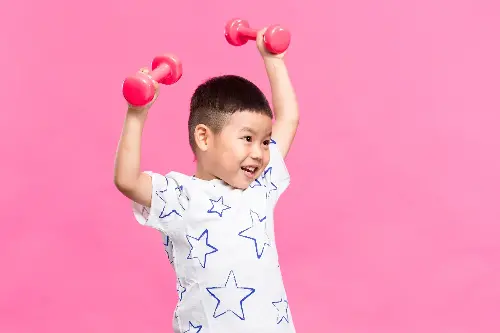
THE BENEFITS OF EARLY PHYSICAL ACTIVITY
Children are naturally eager to move, jump, climb and play – it’s how they learn about their bodies and the world around them. Introducing youngsters to supervised gym-based activities can offer a range of developmental benefits. Regular physical activity helps children build strong bones, muscles, and joints, while also improving motor skills, balance and coordination. Exercise is also credited with supporting cardiovascular health and maintaining a healthy weight.
Perhaps less obvious but equally important, early gym sessions can nurture social skills. Group activities encourage teamwork, turn-taking, and communication, fostering confidence and a sense of achievement outside the classroom. Several studies have linked increased physical activity with improved concentration, reduced anxiety and better mood among children.
WHAT DOES THE SCIENCE SAY?
Paediatric health experts, including the British Heart Foundation and the NHS, recommend at least 60 minutes of moderate to vigorous physical activity per day for children aged five to 18. For younger children, the focus should be on encouraging active play rather than structured exercise routines, but well-designed gym programmes can complement natural play and curiosity.
Research generally suggests that gym activities are safe for children, provided they are age-appropriate and led by properly trained staff. The biggest risks stem not from the activities themselves, but from poor supervision or using equipment unsuitable for a child’s size or development. Studies also show that strength training (not to be confused with bodybuilding or lifting heavy weights) can be beneficial for children as young as seven, provided the exercises use bodyweight or light resistance and prioritise good technique.

SPOTTING THE RIGHT PROGRAMME
Not all children’s fitness classes are created equal. Parents should look closely at the qualifications of the instructors – ideally, they should hold a recognised certification in children’s fitness or youth coaching. A reputable gym will design classes around the specific needs of young bodies and ensure that group sizes allow for plenty of individual attention.
Facilities should feel welcoming and safe – check that equipment is clean, well-maintained, and scaled to your child’s size. The best classes often disguise exercise as play, using games, obstacle courses and creative movement to motivate participation. Positive reinforcement and fun are far more important than clocking up laps or repetitions.
Ask about the gym’s safety policies: Is first aid readily available? Are staff background-checked? Are ratios of instructors to children low enough to guarantee oversight? A quick visit and conversation with coaches can offer valuable reassurance.
COMMON MYTHS AND MISCONCEPTIONS
One persistent myth is that gym-based activities can damage children’s growth plates or stunt their development. In reality, no scientific evidence supports this claim. The key is appropriate supervision and properly designed activities. Children should never lift weights so heavy that it forces them to strain or compromise technique.
It is also a myth that gym classes are only for athletic or outgoing youngsters. Many programmes specialise in introducing reluctant or shy children to movement through play-based encouragement and peer support. Every child improves at their own pace and should be celebrated for their unique progress.
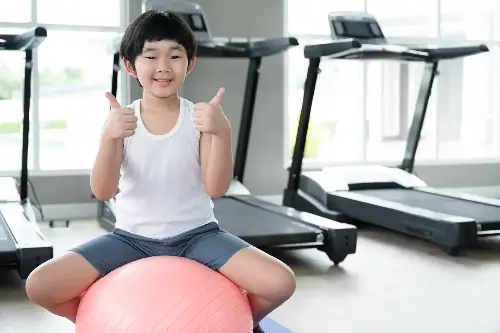
WHAT PARENTS SHOULD WATCH FOR
Before signing up, ask your child how they feel about joining a gym class. Enthusiasm is the best predictor of sticking with a new activity. Watch for signs of overtraining or fatigue – children should come home energised, not exhausted. Make sure your child’s coach adapts activities to account for any individual needs or existing health conditions.
Parents are natural cheerleaders. Celebrate effort, not just achievement, and encourage rest when it’s needed. Remember, the goal is to instil a lifelong love of movement, not to raise a champion overnight.
In the end, early gym activity can deliver countless benefits if chosen wisely and enjoyed with a spirit of fun. With the right environment and support, children can thrive both physically and emotionally, setting the stage for a fitter, happier future.