


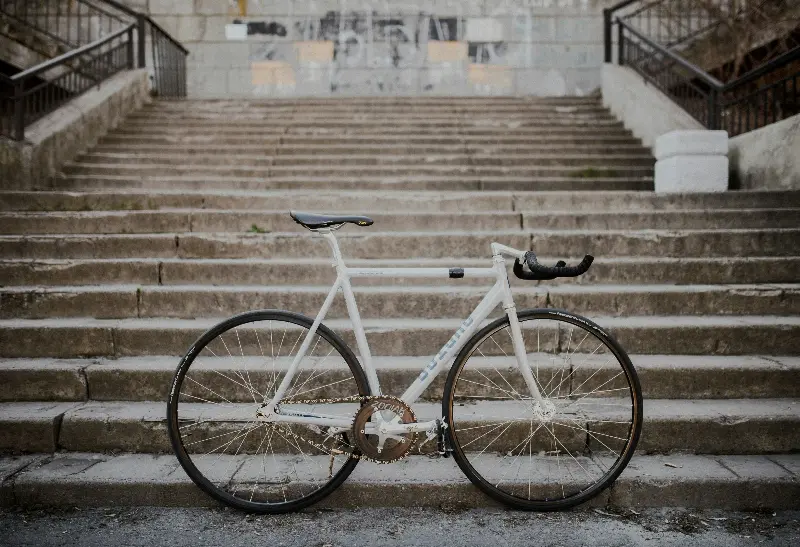
There is a captivating allure in simplicity, and no bicycle embodies this more than the fixie. Once relegated to velodromes and professional track cycling, fixed gear bikes—machines with a single, uncoasting gear—have burst onto city streets worldwide.
The thrill of riding without brakes, where the drivetrain is fused to the wheels and each pedal stroke is intimately linked to momentum, has created a modern obsession. For those pursuing a blend of minimalism and adrenaline, the fixie is the ultimate tool. Behind its clean aesthetic lies a narrative rich in subculture, high-stakes risk, and a deeply connected global community.
The Essence Of Fixed Gear: A Machine Stripped To Its Core
Fixed gear bicycles differ dramatically from the freewheeled bikes most of us rode as children. The mechanical distinction is simple but profound: if the wheels are turning, the pedals are moving. * No Coasting: On a fixie, you cannot "free-wheel" down a hill; your legs must keep pace with the rotation of the rear hub.
- Direct Feedback: This creates an "intimate link" between the rider and the road, where you feel every crack in the pavement through your feet.
- Minimalist Design: By removing derailleurs, shifters, cables, and often brakes, the rider reduces the machine to its most basic elements.
This connection fosters a feeling of unity and control, demanding a level of constant anticipation. The lack of distractions invites riders to focus entirely on the urban rhythm, making the cycling experience raw, challenging, and profoundly engaging.
The Cult Of Brake-Free Riding: Danger As The Ultimate Teacher
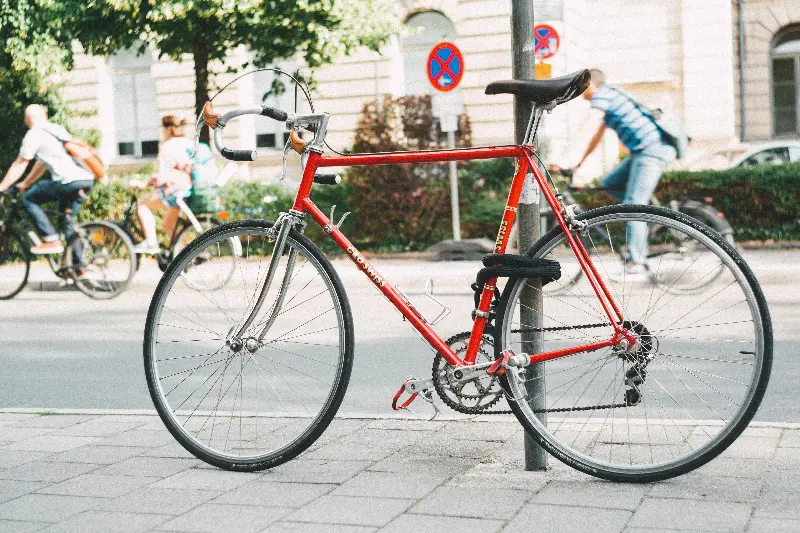
There’s no denying that riding a brakeless fixie increases the danger factor significantly. To stop a bike without traditional calipers, riders must master the "skid"—shifting their weight forward and locking their legs to halt the rear wheel, sending up a satisfying squeal of burning rubber.
Why embrace such risk? For many, the answer lies in the pursuit of absolute concentration.
- Heightened Awareness: Every intersection and unpredictable pedestrian demands full presence.
- Mindfulness through Danger: The lack of a "safety net" (brakes) serves as a psychological trigger for total focus.
- The "Purest High": Urban messengers and athletes often describe the sensation of weaving through traffic as an addictive form of "flow".
Statistics from urban cycling studies suggest that while fixies make up a small percentage of total bikes—often less than 5% of urban fleets—their riders are frequently the most experienced, clocking thousands of miles annually in high-traffic environments like New York, London, and Tokyo.
The Appeal: Aesthetic Brilliance And Subculture
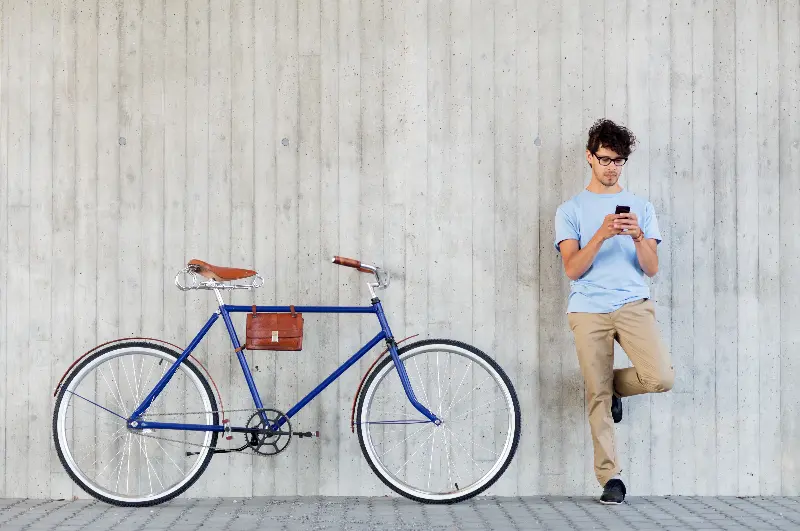
Walk into any hip coffee shop in a cycling-friendly neighborhood and you’ll likely spot a fixie propped against the window. Part of the appeal is purely visual. A fixie typically features:
- Clean Lines: No bulky gear sets or dangling cables.
- Personal Expression: Graffiti-painted rims, narrow "riser" bars, and colorful chains.
- DIY Spirit: Most riders build their own bikes from the frame up, selecting every component to reflect their artistic vision.
But the obsession goes beyond looks. It is anchored in a tight-knit community that values authenticity and skill. Alleycat races—unsanctioned, exhilarating dashes across busy city grids—are a staple of the culture. These events bridge the gap between competitive sport and urban exploration, creating a global network that connects "fixie" obsessives from Los Angeles to Berlin.

Controversy And The Law: Navigating Urban Reality
Despite the romance, fixed gear culture often clashes with legal reality. In many jurisdictions, operating a bicycle without at least one working brake is illegal and can result in hefty fines.
The Safety Debate: The margin for error on a brakeless bike is razor-thin. While experienced riders feel in total control, mechanical failures—like a snapped chain—can leave a brakeless rider with no way to stop. To navigate this, some riders adopt a "stealth brake"—a front brake painted to match the frame, providing legal compliance and emergency safety without ruining the minimalist silhouette. Others remain total purists, risking both their bank accounts and their physical wellbeing for the sake of the craft.
Why The Obsession Endures: Freedom, Focus, And Flow
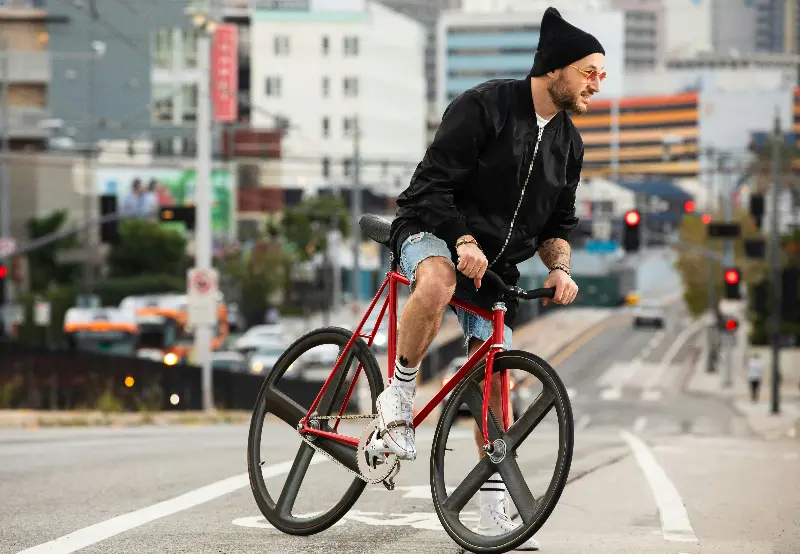
What keeps people enchanted with fixed gear riding? The consistent answer is a sense of flow—a powerful feeling of unity between mind, body, and machine. Riding a fixie becomes an active meditation, reducing life’s distractions to nothing but muscle, speed, and momentum.
Whether it’s the satisfying click of cleats on pedals, the rhythmic symphony of a spinning chain, or the sheer intensity of high-speed urban navigation, fixies continue to win hearts on city streets everywhere. It is a reminder that sometimes, the best way to move forward is to strip everything away until only the essence remains.