


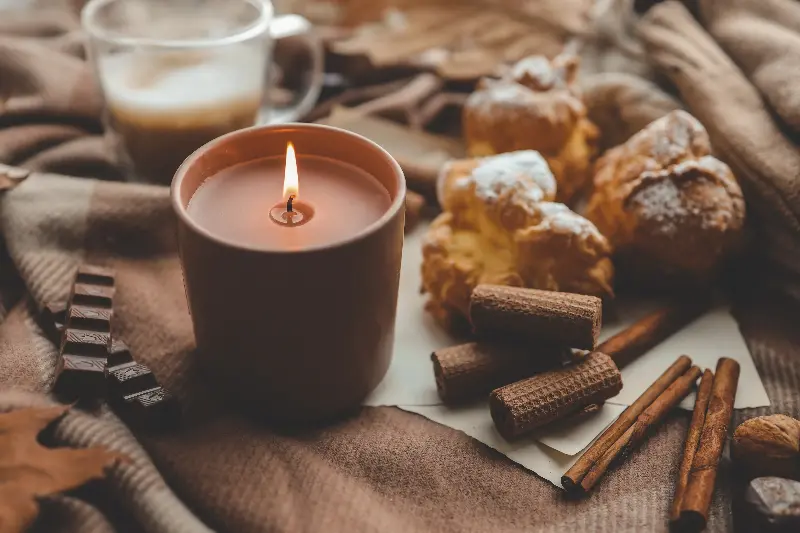
Step into any cozy living room, trendy café, or boutique spa these days, and you’re bound to spot a flickering scented candle working its quiet magic. But what is it about these aromatic wonders that makes us feel instantly at peace or suddenly energized? The answer lies in a fascinating blend of chemistry, neuroscience, and centuries-old wellness traditions. From lavender’s lullaby to the zing of citrus, the science behind scented candles is as enlightening as their gentle glow.
The Sweet Science of Scent and Emotional Wellness
Our sense of smell is uniquely linked to the brain’s limbic system, the ancient region responsible for processing emotions, memory, and mood. Unlike sights and sounds, scents dart straight to this emotional hub, bypassing more analytical brain functions. That’s why an unexpected whiff of vanilla might transport you back to grandma’s kitchen, or the scent of pine needles stirs memories of holiday cheer.
When it comes to scented candles, this powerful connection means that inhaling the aroma isn’t just a fleeting pleasure—it’s a direct line to emotional well-being. Clinical studies show that certain fragrances can positively affect neurotransmitters like serotonin and dopamine, the same chemicals that regulate mood and relaxation. It turns out, your favorite candle is more than a decorative touch; it’s a form of aromatherapy gently shaping your state of mind.
Lavender Calm: The Tranquilizer in a Jar
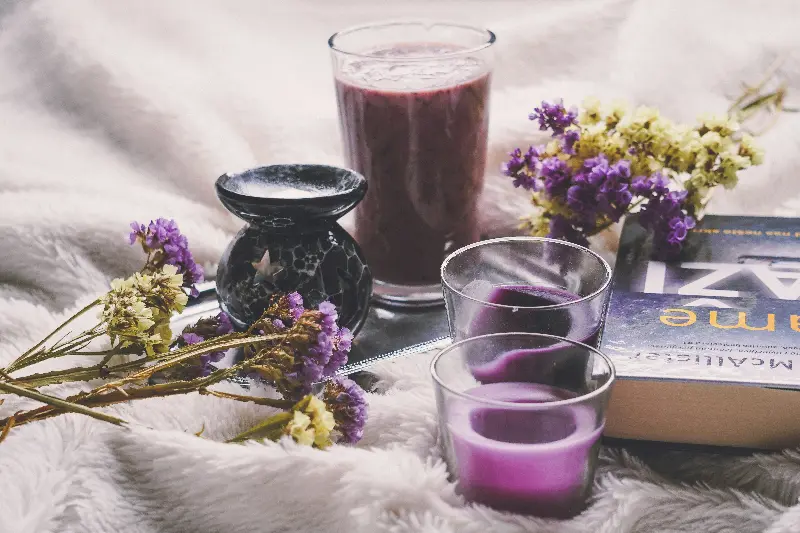
Lavender is the reigning queen of calm in the candle world, and its reputation is backed by science. Its primary active compounds—linalool and linalyl acetate—are known to induce relaxation by lowering heart rate and blood pressure. Researchers have found that lavender aromatherapy can reduce symptoms of anxiety and even improve sleep quality. Hospitals in Japan diffuse lavender to help surgery patients relax before procedures, and many sleep specialists recommend lavender-infused candles as part of a nightly wind-down ritual.
Lighting a lavender candle in the evening creates not just a soothing ambiance, but a genuine physiological response. You’re not imagining the tranquility—your body and brain are responding to molecules that have evolved to comfort and calm.
Citrus Zest: Nature’s Mood Booster
If your day needs a quick pick-me-up, citrus-scented candles might be your secret weapon. Lemon, orange, and grapefruit oils are high in limonene, a compound that interacts with brain receptors linked to attention and energy. Several scientific reviews have observed that citrus aromas help reduce feelings of fatigue, promote alertness, and can enhance motivation.
There’s even evidence that workplaces using citrus scents report happier, more productive employees. So next time you hit a creative slump, light a zesty candle instead of reaching for another cup of coffee. The bright, optimistic notes of citrus could be the aromatic spark you need.

The Unseen Effects: How Scented Candles Shape Everyday Experiences
Aside from their direct influence on brain chemistry, scented candles play subtle but powerful roles in our daily rituals. Studies show that familiar, pleasant smells help reinforce habits and create a sense of order. Lighting the same vanilla-coconut candle before your morning meditation can signal to your body it’s time to relax and focus. Meanwhile, a sandalwood or patchouli candle in your home office can help create a mental boundary between work and rest.
Scented candles also uniquely influence social interactions. The right fragrance can create a welcoming atmosphere, lower social anxiety, and increase perceived warmth in a space. In fact, retailers have harnessed the art of “scent marketing”—using signature fragrances to encourage relaxation and linger time—to boost customer satisfaction and sales.
Choosing Your Aroma: A Journey Through Personalized Wellness
The scented candle aisle can feel overwhelming, but the science offers some guidance for your next aromatic adventure. Florals like jasmine, ylang-ylang, and rose are linked to lowered stress and improved mood—perfect for unwinding after a long day. Woodsy notes such as cedar or balsam are grounding and may even mimic the calming effect of a walk in nature. For mental clarity and focus, try candles with peppermint, eucalyptus, or sage.
It’s also important to consider wax and wick quality. 100% soy or beeswax candles with natural essential oils burn cleaner and produce fewer toxins than paraffin-based alternatives. Not only is this better for your long-term health, but it ensures the truest expression of the fragrance you love.

Candle Myths and Mindful Use
Despite their benefits, a few myths persist—like the idea that any candle will promote wellness if you simply light it up. In reality, “ambient” fragrances offer the most potent benefits when used intentionally. Taking a moment to breathe deeply as you light your candle, focusing on the scent with mindfulness, can magnify its effects. It’s less about creating background noise and more about anchoring yourself in the present moment.
On the flip side, prolonged candle burning in unventilated rooms or using overly synthetic fragrances might irritate sensitive individuals. As with any wellness ritual, moderation and mindful choice are key.
Unveiling the surprising science behind scented candle bliss reveals much more than a passing trend. Each fragrance holds the potential to unlock states of calm or bursts of energy, weaving a sensory tapestry that enriches daily life. So whether you’re seeking lavender calm or citrus verve, lighting a candle can be a small act with profound effects—a beautiful reminder that self-care often begins with the senses.