


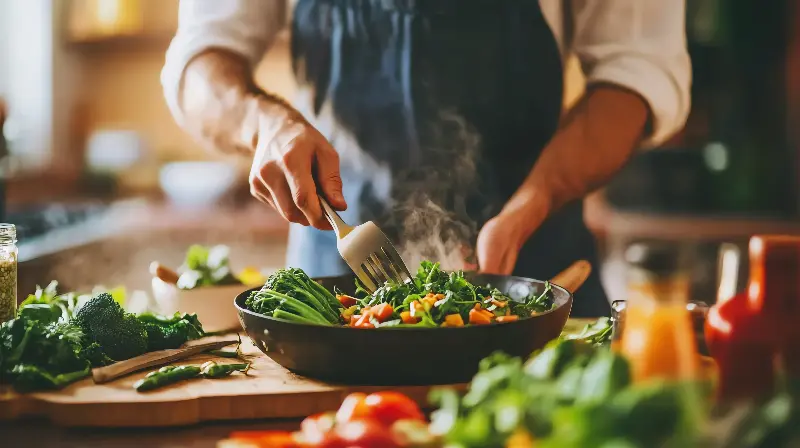
Aromatic scents drift through the air, pans sizzle, and anticipation builds as you embark on the adventure of preparing a delicious meal. But for many home cooks, the journey from recipe to reality can be riddled with unexpected detours. Even experienced chefs admit that kitchen mishaps lurk at every corner. The good news? Most culinary disasters are easily avoidable once the secrets behind common mistakes are revealed. Let’s uncover the classic errors that often sabotage our delicious dreams.
THE IMPORTANCE OF MEASURING INGREDIENTS
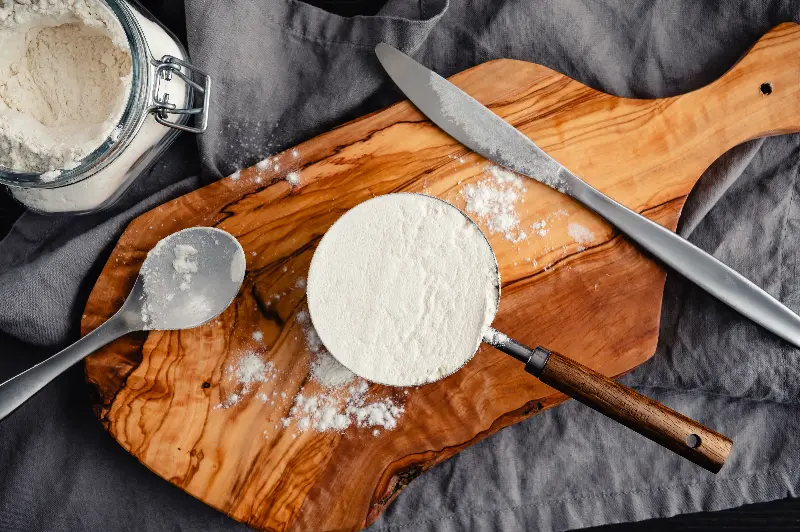
Baking is often likened to a science for good reason. Unlike savory cooking, where improvisation adds character, baking demands precision. The most ambitious cakes and pastries can turn tragic simply because of inaccurate scooping of flour, sugar, or leaveners.
- Dry vs. Wet: Use the specific tools designed for each. Flour packed too tightly into a liquid measuring cup can lead to a rock-hard outcome.
- The Level-Off Method: Always level off dry ingredients with a flat edge.
- Eye Level: Measure liquids at eye level to ensure the volume is exactly as the recipe dictates.
THE DANGER OF OVERCROWDING THE PAN
We’ve all tried to save time by cramming every last piece of chicken or vegetable into the skillet at once. However, this shortcut is a one-way ticket to soggy, steamed food instead of the beautiful golden-brown sear we crave.
Overcrowding lowers the pan temperature and traps steam, sabotaging the Maillard reaction—the chemical process responsible for deep flavor and color. To avoid this, cook in batches. Your patience will be rewarded with better texture and richer flavors in each bite.
IGNORING THE POWER OF PREHEATING
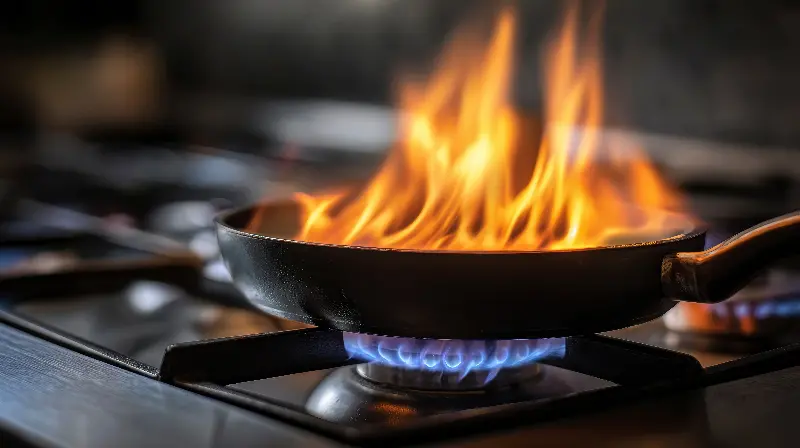
Preheating isn’t just a suggestion; it’s a vital step in successful cooking. Starting with a cold pan or oven leads to uneven results and a higher chance of food sticking and tearing.
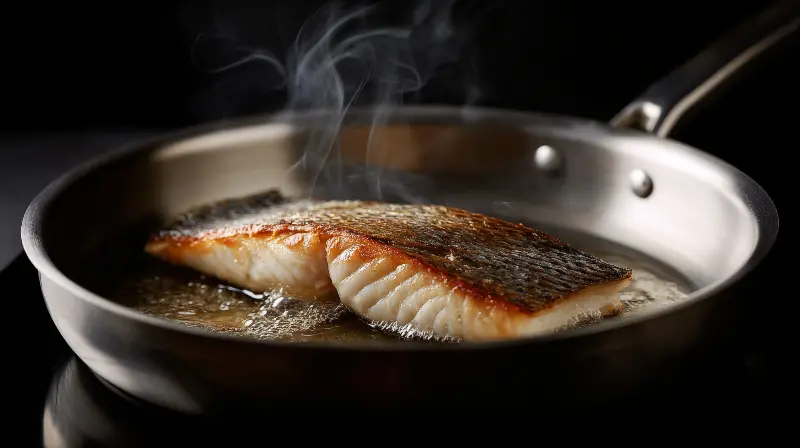
- Searing: Adding delicate fish or pancakes to a cold pan bonds the proteins to the surface.
- Rising: Baked goods need the immediate "hit" of heat to activate leavening agents correctly.
- Safety: Proper preheating ensures that meat reaches safe internal temperatures more reliably.
SEASONING SLIPS: UNDER OR OVER
Seasoning is the soul of cooking, yet it is one of the easiest things to get wrong. Under-seasoned meals remain flat, while over-seasoned dishes risk being overwhelmed beyond rescue.
- The "Taste-First" Rule: Taste your food at every stage of the cooking process.
- Reduction Caution: Remember that flavors intensify as sauces simmer and reduce.
- The Acid Fix: If a dish feels "bland" even after salting, a splash of vinegar or lemon juice can wake up the palate and restore balance.
MISJUDGING COOKING TIMES AND TEMPERATURES
Overcooked steak, rubbery shrimp, and mushy vegetables are all casualties of heat gone astray. While it is tempting to trust your eyes, a high-quality thermometer is a cook’s secret weapon. It removes the guesswork and guards against undercooked chicken or a cake with a raw center. Reading recipes carefully and understanding the quirks of your own oven helps ensure consistency.
FORGETTING THE RESTING PERIOD
When hunger strikes, skipping the resting time for meat is an easy mistake. However, patience pays off. Letting roasted meats rest allows the juices to redistribute throughout the fibers. If you slice into a roast immediately, the juices escape onto the cutting board, leaving you with dry, disappointing meat. Give your food 5 to 15 minutes of peace before serving.
NEGLECTING EQUIPMENT CARE
Dull knives, warped pans, and inaccurate oven thermometers have ruined more recipes than most will admit. Regularly sharpening your knives and properly cleaning cast iron allows you to focus on creativity rather than struggling with your tools.
Embracing these kitchen secrets transforms potential disasters into triumphs. What matters most is learning from the blunders and enjoying the delicious journey that unfolds, one meal at a time.