



Want to add years to your life and more life to your years? While genetics certainly play a role in longevity, mounting evidence proves that our daily habits hold remarkable power over our healthspan—the duration of time we live in good health. Science continues to unravel the secrets behind lasting vitality, demonstrating that small, consistent changes can make a profound impact.
By understanding the latest research, you can live longer, stay more vibrant, and enjoy your journey every day. Achieving a longer life is not about a single "magic pill" but rather a combination of foundational pillars that support the body and mind.
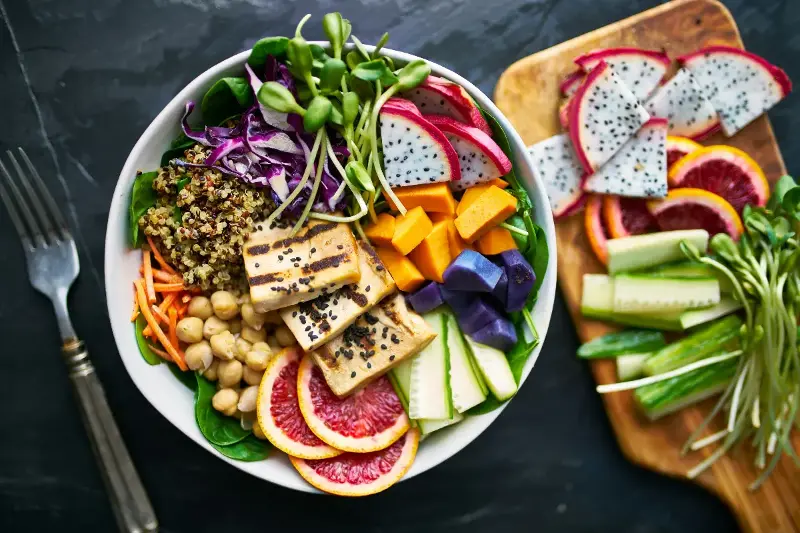
FUEL YOUR BODY WISELY: NUTRITION THAT NURTURES
Eating well isn’t just about maintaining a trim waistline; it’s about optimizing your cells and supporting the complex biological systems that keep you thriving. The longest-lived populations, often called “Blue Zones”—including communities in Japan, Italy, and Greece—don’t follow restrictive, fad diets. Instead, they embrace balanced meals rich in:
- Cruciferous vegetables and leafy greens.
- Legumes, such as beans and lentils, which are packed with fiber.
- Healthy fats from olive oil, nuts, and fatty fish.
- Whole grains that provide sustained energy.
Research consistently finds that a plant-forward approach protects against chronic diseases. Harvard studies show people who eat at least five servings of fruits and vegetables a day have a 13% lower risk of death from all causes compared to those who eat fewer.
MOVE MORE AND MOVE OFTEN: EXERCISE AS DAILY MEDICINE
You don’t need to run marathons to harness the life-extending power of physical activity. In fact, studies show just 30 minutes of brisk walking five days a week can reduce the risk of premature death by 20%. The magic lies in consistency and pleasure rather than intensity.
In "Blue Zone" communities, movement is woven into the fabric of daily life. Rather than isolating exercise to a gym session, these populations focus on:
- Functional Movement: Gardening, walking to the market, and taking the stairs.
- Strength Training: Preserving muscle mass to stave off frailty.
- Flexibility: Stretching and dancing to maintain mobility.
The World Health Organization recommends adults perform muscle-strengthening exercises at least twice a week. Beyond the physical benefits, regular activity is linked to a lifting of mood, less anxiety, and a significantly sharper memory.

SLEEP: THE OVERLOOKED ELIXIR FOR REPAIR
Many of us are willing to overhaul our diets, but sleep remains critically underrated. Yet, it is essential for everything from immune defense to emotional stability. A 2023 study concluded that adults who consistently get 7 to 9 hours of quality sleep each night have a lower risk of death from heart disease and stroke.
During deep sleep, the brain undergoes a "detoxification" process while the body repairs tissue. To optimize this, consider these habits:
- Maintain a consistent sleep-wake schedule, even on weekends.
- Limit blue light exposure from screens at least one hour before bed.
- Keep your sleeping environment cool, dark, and calm.

CONNECTION AND PURPOSE: FUEL FOR A JOYFUL LIFE
Loving relationships and a clear sense of purpose are as vital to longevity as nutrition. The Harvard Study of Adult Development—the longest-running study of its kind—found that warm relationships are the best predictor of who will live well and happily into old age.
Loneliness poses a health risk similar to smoking or obesity. Conversely, being part of a community or nurturing strong friendships can:
- Reduce chronic stress levels.
- Boost the immune system.
- Protect against age-related cognitive decline.
Furthermore, individuals with a strong sense of Ikigai (a reason for being) are less likely to develop Alzheimer’s. Whether your purpose is found through family, career, or service, it acts as a psychological buffer that fuels resilience.

MASTERING MINDFUL HABITS TO STRESS LESS
Chronic stress accelerates aging at the cellular level. Centenarians worldwide tend to share a calm, positive outlook, bolstered by daily rituals that center the mind. Practicing mindfulness or spending time outdoors can lower blood pressure and improve overall quality of life. Building "stress buffers"—like gratitude journaling or deep breathing—helps you bounce back from life's inevitable challenges.
Vitality is the sum of many small, intentional choices. By fueling wisely, moving with joy, and prioritizing rest, you can unlock lasting energy. Your path to a vibrant life begins today.