


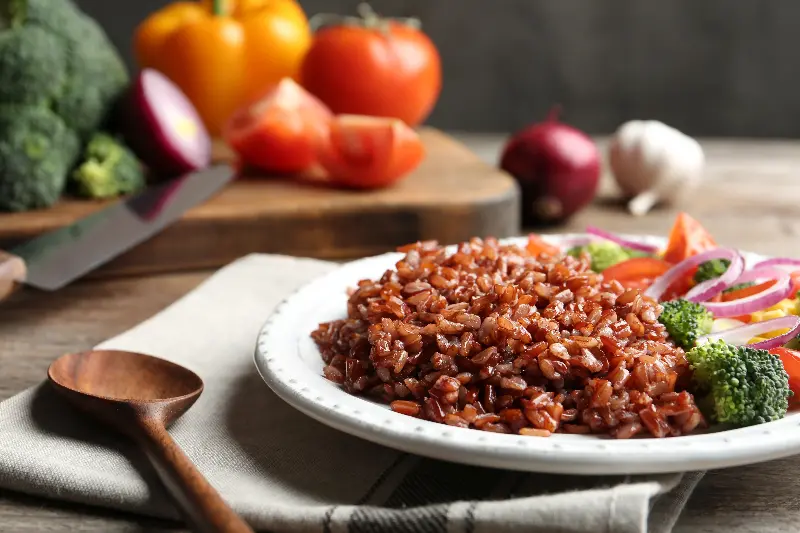
Brown rice has been the darling of dietitians, fitness gurus, and social media wellness icons for decades. Its earthy hue, chewy texture, and subtle nutty flavor have made it a staple in discussions about weight management. But what is it really about brown rice that makes it so popular among those aspiring to shed a few pounds? Let’s separate fact from fiction and discover if this humble grain deserves its widespread fame.
WHAT SETS BROWN RICE APART FROM WHITE RICE?
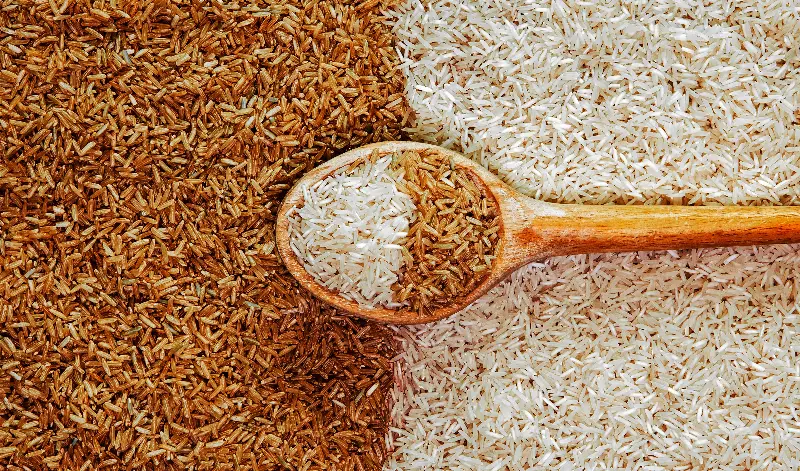
At first glance, brown and white rice may seem like distant relatives, but they actually start as the same grain. The primary difference lies in the level of processing:
- Brown Rice: A whole grain that retains its bran and germ layers—the storehouses for fiber, vitamins, and minerals.
- White Rice: Milled and polished to remove these layers, leaving behind mostly the starchy endosperm.
Because of this, brown rice packs a significantly stronger nutritional punch. It is notably higher in magnesium, manganese, and antioxidants. While a cup of white rice offers negligible fiber, the same amount of brown rice provides roughly 3.5 grams, a critical component for anyone serious about weight management.
FIBER: THE SECRET WEAPON FOR MANAGING HUNGER
One of brown rice’s biggest claims to weight loss fame is its fiber content. Fiber acts as a metabolic speed-bump, slowing down digestion and ensuring you stay fuller for longer.
- Curbing Cravings: Increased satiety helps eliminate the urge for mid-afternoon snacks.
- Blood Sugar Stability: Brown rice is lower on the glycemic index, meaning it creates milder blood sugar spikes compared to refined grains.
- Appetite Control: Steady energy levels prevent the "crash" that often leads to overeating.
NUTRIENT DENSITY: GETTING MORE FROM EVERY BITE
Swapping white rice for brown doesn't just add fiber; it bestows your body with essential micronutrients that support a healthy metabolism. Manganese helps metabolize carbohydrates and proteins, while Magnesium is vital for muscle function and energy production.
Furthermore, the presence of Selenium—a powerful antioxidant—helps combat inflammation. For those on calorie-controlled plans, this high nutrient density ensures the body remains efficient at burning fat and maintaining lean muscle, providing a winning formula for sustainable health.
CALORIC CONTENT: IS BROWN RICE REALLY DIET-FRIENDLY?
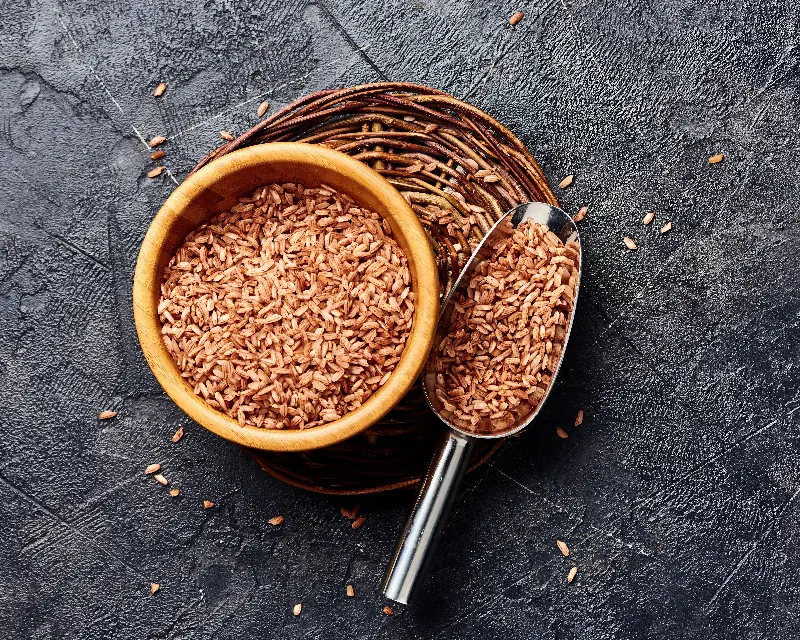
Interestingly, brown rice isn’t a "low-calorie" food in the traditional sense. One cup contains about 215 calories, which is nearly identical to white rice. The magic, however, lies in satiety and portion control:
- Efficiency: Because it is more filling, you are less likely to serve yourself a second or third helping.
- Balance: When combined with lean proteins and leafy greens, brown rice forms the foundation of a high-volume, low-calorie-density meal.
- Sustainability: It provides lasting energy that supports active lifestyles better than processed alternatives.
BUSTING COMMON MYTHS ABOUT BROWN RICE
With the hype comes a fair share of misconceptions. It is important to remember that no single food is a magic bullet for weight loss. Eating brown rice exclusively will not melt away pounds if the rest of your lifestyle remains sedentary.
Another common concern involves arsenic levels. While rice plants do absorb more arsenic from soil than other crops, this risk is easily mitigated. You can reduce arsenic content by rinsing the rice thoroughly and cooking it in a high ratio of water (similar to pasta) before draining.

THE VERDICT ON THE WHOLE GRAIN HERO
While brown rice takes a bit longer to simmer, the evidence-supported health benefits make it a worthy investment of your time. It is not a miracle cure, but rather a reliable anchor for a balanced plate. By providing the fiber and nutrients necessary to keep you energized and satisfied, it's clear the brown rice craze has real substance behind the legend.