


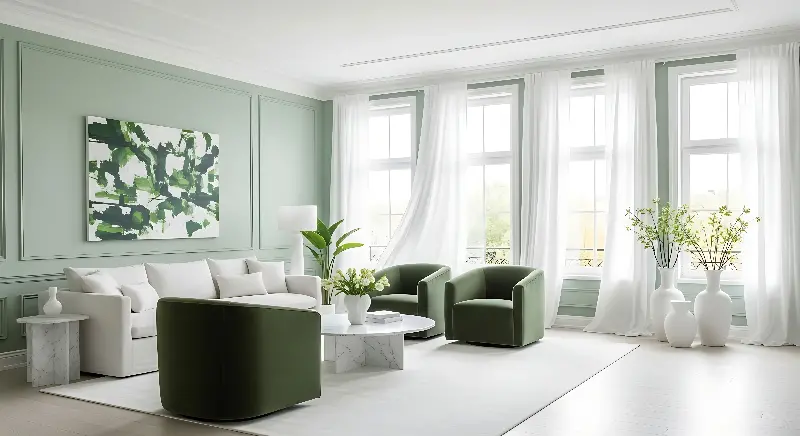
In cities that pulse with life day and night, silence is often more precious than gold. Whether it’s the relentless honking of traffic, late-night revelers, or the distant, rhythmic rumble of trains, urban noise can turn the dream of peaceful living into a grueling daily challenge.
But what if you could retreat from the relentless city clamor without ever leaving your urban oasis? Thanks to remarkable advances in soundproof materials and creative interior design, transforming your home into a silent sanctuary is now more achievable than ever before.
The Science Of Urban Silence
Soundproofing isn't simply about "blocking" noise—it is a sophisticated technical process of redirecting, absorbing, or dissipating sound waves before they disrupt your peace. While traditional methods like heavy carpets or thick curtains offer minor relief, 2026 technology has taken the concept to a professional level.
To understand how to silence a room, one must understand the three pillars of acoustic control:
- Mass: Using heavy, dense materials to stop sound from vibrating through structures.
- Damping: Using materials that act like a shock absorber to "cancel" sound energy.
- Decoupling: Creating gaps in building structures to prevent sound from traveling through solid objects.
Today, acoustic panels made from recycled PET plastics, noise-canceling window inserts, and even soundproof wallpaper are no longer futuristic concepts; they are accessible solutions for the modern city dweller.
Silent Walls And Whispering Windows
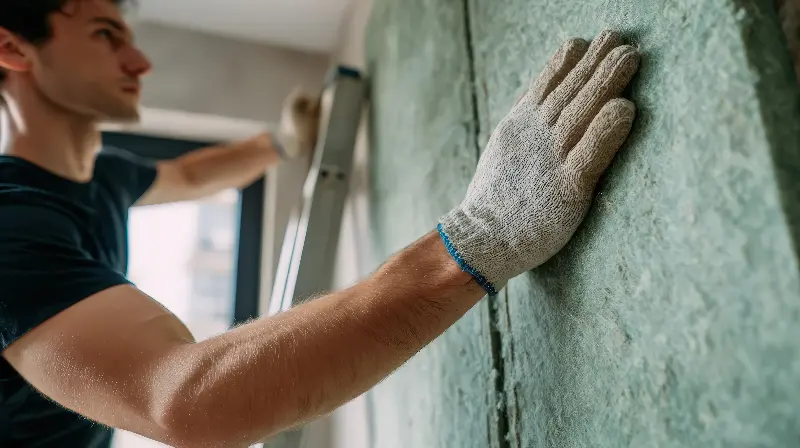
Walls and windows are usually the primary culprits for letting in the city's "hum". However, new high-tech options allow homeowners and renters alike to reclaim their space.
- The Power of Mass Loaded Vinyl (MLV) One standout material is Mass Loaded Vinyl (MLV). This flexible, thin, yet incredibly dense material is a game-changer. Its secret lies in its high mass-to-thickness ratio, which allows it to block significant sound waves without adding bulk to your walls. It is the perfect "hidden" layer for both professional renovations and DIY projects.
- Triple-Glazed Acoustic Windows Windows are often the weakest link in a home's acoustic shell. Triple-glazed acoustic windows utilize three layers of glass with staggered air gaps and laminated layers to deaden everything from sirens to construction noise.
For those who cannot replace their windows (such as renters), magnetic window plugs made of dense acoustical foam offer a temporary but highly effective barrier that can be "popped" into place at night and removed during the day.
Smart Surfaces: Beyond The Basics
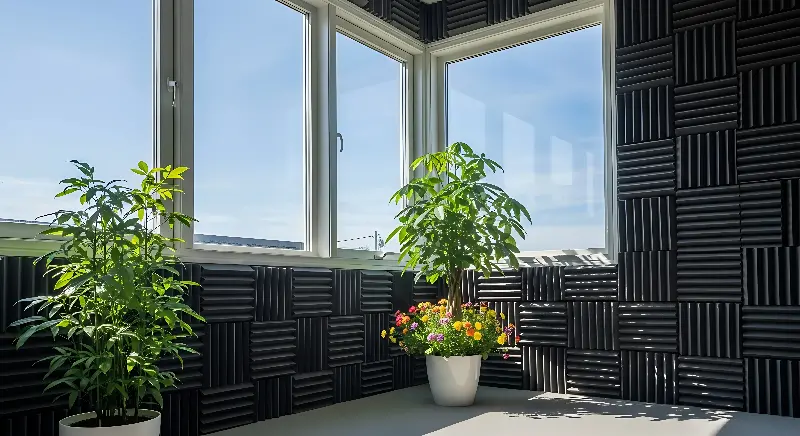
The quest for peace continues with the very surfaces you touch and see every day. Interior design has evolved so that acoustic functionality no longer looks like a "recording studio".
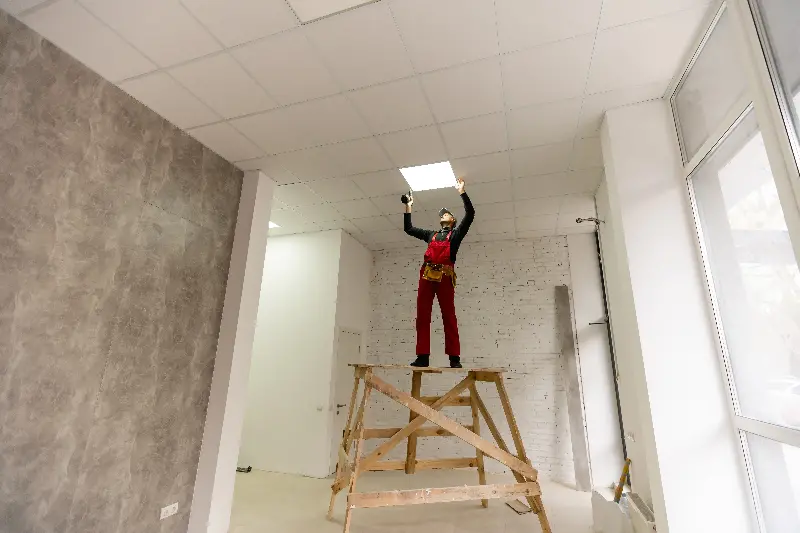
- Acoustic Ceiling Tiles: Gone are the days of bland office squares. Modern tiles use bamboo, felt, or recycled wool to create stunning geometric patterns that absorb echo and overhead footfalls.
- Soundproof Wallpaper: One of the newest stars in the industry. This material is infused with latex and absorbent compounds, reducing noise levels by up to 25% while looking like high-end designer decor.
- Acoustic Textiles: High-performance curtains and rugs are now engineered with "closed-cell" structures that trap sound, while remaining stain-resistant and sustainable.
Furnishings With A Purpose
Smart furniture placement acts as a secondary defense system. Strategic "acoustic landscaping" can significantly lower the decibel levels in a room:
- Massive Bookshelves: A wall-to-wall library filled with books acts as a natural sound diffuser and absorber.
- Upholstered Sectionals: Large, plush sofas scatter sound waves, preventing them from bouncing off hard floors.
- Modular Wall Art: Many companies now produce artistic acoustic panels that look like abstract paintings but are actually high-density foam designed to kill echoes.

Hidden Benefits Of Quiet Living
The move toward soundproofing isn't just about luxury; it’s about mental health. Constant exposure to "ambient noise" is linked to increased cortisol levels and sleep fragmentation. By controlling the soundscape of your home, you are investing in:
- Lowered Stress Levels: A silent home allows the nervous system to truly reset.
- Improved Sleep Quality: Eliminating "startle" noises leads to deeper REM cycles.
- Increased Property Value: In competitive urban markets, a "certified quiet" home fetches a premium price.
Furthermore, many of today’s revolutionary materials are eco-friendly. Using insulation made from recycled denim or hempcrete ensures your sanctuary is as healthy for the planet as it is for your ears.