


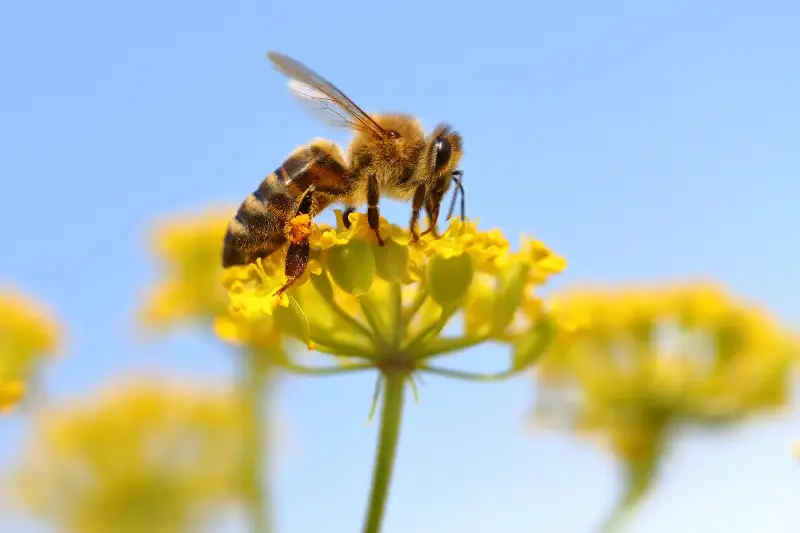
Honeybees may be small enough to rest on a fingertip, yet their influence reaches across farms, forests, gardens, and dinner tables around the world. A single worker bee can visit thousands of flowers in one day, moving pollen as it searches for nectar to feed its colony. This everyday journey supports the reproduction of countless flowering plants and helps sustain ecosystems that humans and wildlife depend on.
The honeybee is only one member of a vast pollinator community that includes wild bees, butterflies, moths, beetles, birds, and bats. Still, honeybees are among the most familiar and widely managed pollinators. Their colonies can contain tens of thousands of workers, making them remarkably efficient visitors to large fields of flowering crops.
A Tiny Worker with a Giant Job
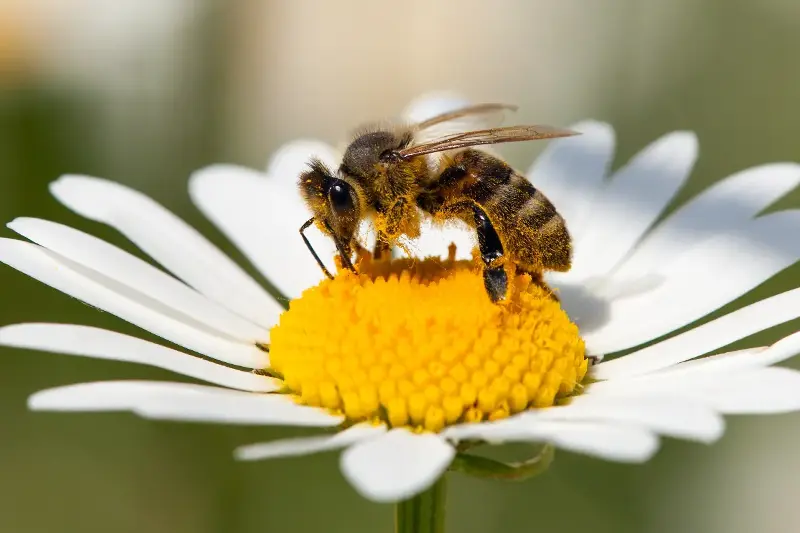
Pollination happens when pollen transfers from the male part of a flower to the female part. For many plants, this transfer is essential for producing seeds, fruits, and new plants. When a honeybee lands on a flower, tiny grains of pollen cling to the branched hairs covering its body. As the bee moves to another blossom, some of that pollen deposits in the right place.
This process supports an enormous share of the natural world:
-
Global Crop Support: Around 75 percent of the world’s leading crop types benefit at least partly from animal pollination.
-
Nutritious Variety: Foods like apples, almonds, blueberries, cherries, cucumbers, pumpkins, and melons become more plentiful and higher quality.
-
Commercial Mobility: Beekeepers can transport managed hives directly to farms during peak bloom seasons.
In places like California, almond growers rely heavily on honeybee colonies during late winter. Almond trees need cross-pollination, requiring millions of bee colonies across vast orchards to achieve a bountiful harvest.
The Remarkable Life Inside a Hive
A honeybee colony operates as one of nature’s most organized communities, featuring a clear division of labor:
-
Worker Bees: Female bees that clean cells, feed young larvae, build wax comb, guard the entrance, regulate nest temperature, and forage for food. Young workers care for the hive, while older workers become foragers.
-
The Queen: The primary egg-layer of the colony, capable of laying more than 1,000 eggs daily during the peak season.
-
Drones: Male bees whose sole role is mating with a queen.
Honeybees also communicate with extraordinary accuracy. When a forager discovers a rich food source, it performs a waggle dance on the honeycomb. The angle of the dance indicates the direction of flowers in relation to the sun, while the duration communicates the exact distance.
Why Honey Is More Than a Sweet Treat
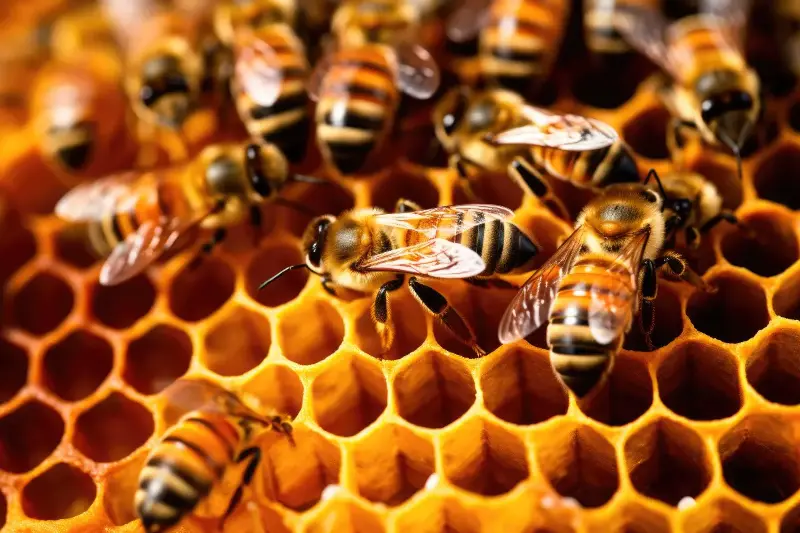
Honey begins as floral nectar, which foraging bees store in a specialized honey stomach. Back at the hive, workers pass the nectar between themselves, adding enzymes and evaporating water by fanning their wings. The finished honey serves as a long-lasting energy store. Its low moisture and natural acidity inhibit microbial growth, allowing sealed honey to remain edible for thousands of years.
Bees also create beeswax to build their familiar hexagonal comb. The six-sided geometry is exceptionally efficient, creating maximum storage strength while using minimal wax. Humans have utilized beeswax for centuries in candles, art, cosmetics, and protective coatings.
Keeping Ecosystems Connected
The power of honeybees extends far beyond agricultural fields:
-
Sustaining Food Webs: Wild flowering plants rely on pollination to produce seeds and fruit, which feed birds, mammals, and insects.
-
Enriching Habitats: Meadows filled with flowers provide shelter for small animals and pollen for diverse insects.
-
Environmental Stability: Healthy plant communities help stabilize topsoil, store carbon, and filter water.
However, honeybees cannot replace every wild pollinator. Bumblebees perform buzz pollination by vibrating their flight muscles to release stubborn pollen, while solitary bees excel at pollinating specific fruit trees. Protecting a diverse range of pollinators ensures stronger, more resilient ecosystems.
Challenges and Ways to Help
Honeybee colonies face several environmental pressures:
-
Parasites and Disease: The microscopic Varroa mite feeds on developing bees and transmits harmful viruses.
-
Habitat Loss: The removal of wildflower meadows and field margins deprives bees of continuous food sources.
-
Climate Shifts: Changing weather patterns can disrupt the seasonal timing between flower blooms and bee activity.
Everyone can support bee populations by planting nectar-rich native flowers, eliminating unnecessary pesticide use, leaving garden areas undisturbed for nesting, and supporting local beekeeping projects. Even a small balcony planter provides a vital feeding stop for traveling bees.