


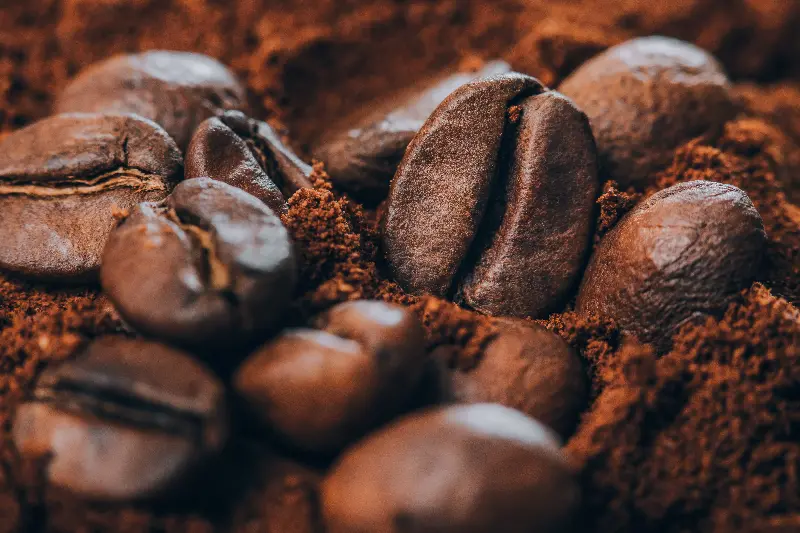
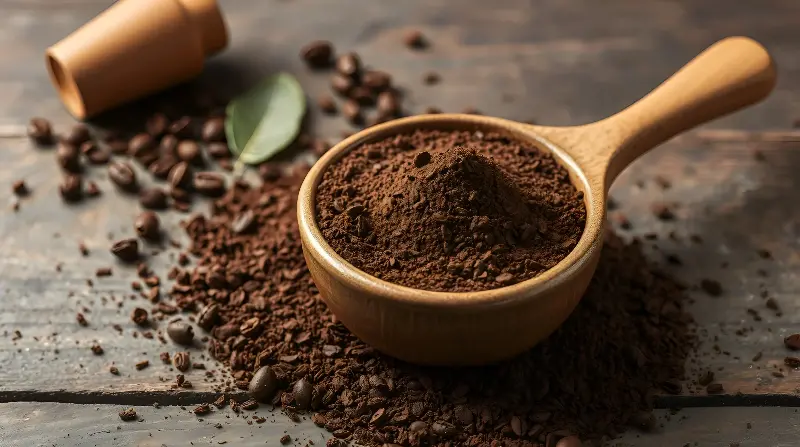
A mug of freshly brewed coffee is the heartbeat of many mornings, but what happens to those aromatic grounds once the last drop is poured? If you're guilty of simply tossing them into the trash, prepare to look at your daily cup of joe in a greener light. Creative coffee lovers and sustainability advocates across the globe are discovering inventive ways to upcycle used coffee grounds, giving them a second life that benefits homes, gardens, and daily routines. Let’s explore how those little brown granules are transforming the world of sustainable living.
ECO-FRIENDLY BOOSTS FOR YOUR HOME
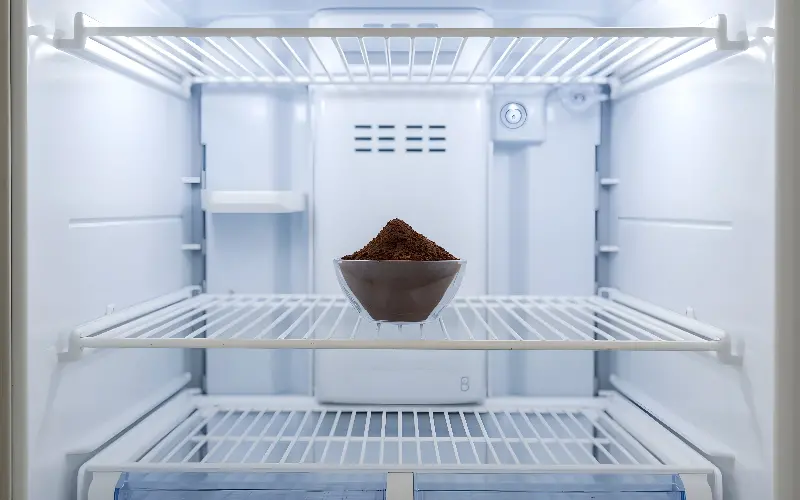
Used coffee grounds offer a surprising range of applications around the house, starting with their natural deodorizing abilities. Coffee grounds contain nitrogen, which helps neutralize sulfur smells in the air.
- Fridge Refresher: Place dried grounds in an open container to trap stubborn odors from leftovers.
- Shoe Deodorizer: Fill an old sock with dried grounds and tuck it into shoes to absorb moisture and scent.
- Garlic Hands: Rub a handful of grounds on your fingers after chopping onions or garlic to instantly neutralize the pungent smell.
Beyond banishing bad smells, coffee grounds make effective natural cleaning agents. Their gritty texture is perfect for scrubbing away grease and grime without resorting to harsh chemicals. Mix them into a paste with a little water to create a gentle abrasive for cleaning pots, pans, and even grills. Some creative upcyclers even use moist grounds to polish wooden furniture, as the natural oils can add a touch of sheen to scuffs and faded wood.
GARDEN GOLD FOR GREEN THUMBS
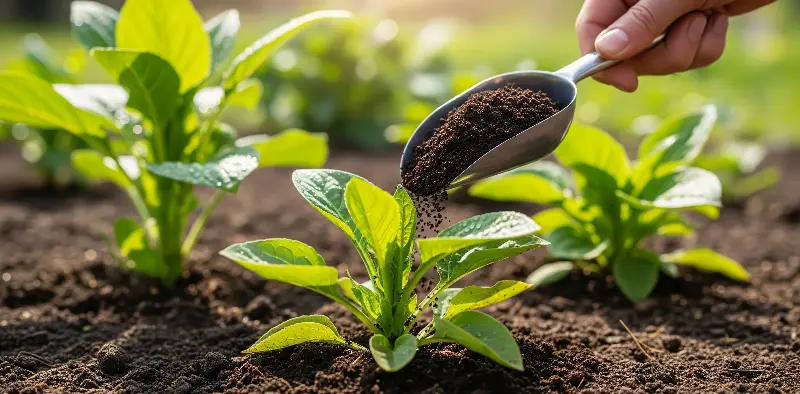
Perhaps nowhere is the impact of spent coffee grounds felt more strongly than in the garden. Rich in nitrogen, potassium, and magnesium, these leftovers are packed with nutrients that plants love. When blended into compost bins or soil, they help enrich the earth and boost microbial activity.
For many gardeners, coffee grounds act as a slow-release fertilizer. You can utilize them in several ways:
- Acid-Loving Plants: Sprinkle grounds directly around roses, azaleas, rhododendrons, and blueberries.
- Compost Balancing: High nitrogen content helps balance out "brown" materials like dry leaves or cardboard, speeding up decomposition.
- Worm Bait: Earthworms are especially attracted to soil containing coffee grounds, which helps aerate your garden naturally.
Coffee grounds also work as a non-toxic pest repellent. The abrasive texture and strong scent form a barrier that slugs and snails are reluctant to cross. Sprinkling grounds around doorways or garden beds can keep unwanted visitors at bay without the need for commercial pesticides.
BEAUTY AND WELLNESS RITUALS WITH A SUSTAINABLE TWIST
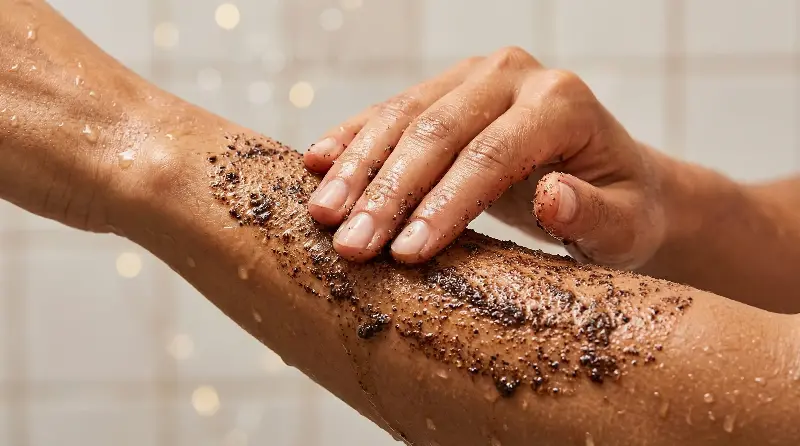
Turning coffee grounds into beauty boosters is another fun way to embrace upcycling. Their gritty yet gentle consistency makes them a popular ingredient in homemade exfoliating scrubs.
- Body Scrub: Mixing used grounds with coconut or olive oil results in a refreshing scrub that sloughs away dead skin cells.
- Circulation Boost: The caffeine content may help stimulate circulation and temporarily reduce the appearance of cellulite.
- Antioxidant Soak: Adding grounds to a homemade bath bomb can create a spa-like experience, as the antioxidants are believed to benefit skin health.
CREATIVE AND UNEXPECTED INNOVATIONS
The transformative power of used coffee grounds goes well beyond the household and garden. Around the world, entrepreneurs are incorporating coffee waste into entirely new materials.
- Sustainable Construction: Coffee grounds are being experimented with as an ingredient in eco-friendly concrete, bricks, and tiles.
- Eco-Fashion: Some startups are turning coffee waste into fabric fibers that produce soft, sustainable clothing.
- Natural Dyes: Spent grounds produce rich, earthy browns when used to color fabrics, paper, or even Easter eggs.
On a more playful note, parents and teachers use coffee grounds for sensory play—a child-safe, biodegradable alternative to sand that provides a tactile, aromatic experience perfect for learning.
BREWING A GREENER FUTURE
Used coffee grounds are quietly revolutionizing sustainable living, showing that what was once merely waste can become a valuable resource. By giving coffee grounds a second life, we not only reduce landfill waste and carbon emissions but also infuse our homes and gardens with creativity.
Next time you finish your coffee, think twice before tossing those grounds—imagine instead the small but significant ways they could enrich both your life and the planet.