


In a world where screens glow brighter than ever and information races at the speed of a click, the role of teachers is transforming in ways that would have seemed impossible a generation ago. No longer confined to blackboards or whiteboards, educators are wielding digital tools as wands, guiding students through an infinite landscape of knowledge. But their influence transcends even the bounds of the virtual classroom, weaving through social media, online communities, and the intricate decisions of daily life. Teachers today are not just instructors; they are architects of curiosity, mentors for digital citizenship, and steadfast beacons in a sea of information overload.

Connecting Beyond the Campus
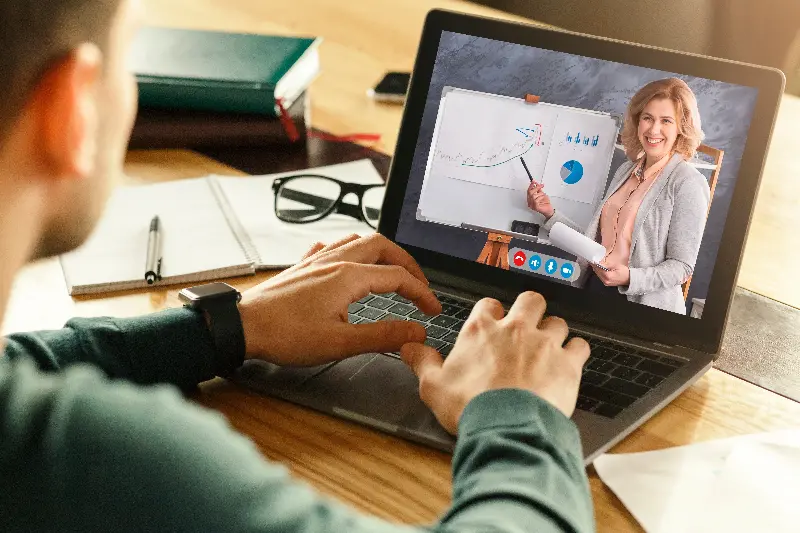
Traditionally, the connection between teachers and students blossomed within school walls—sparks of understanding ignited by impromptu discussions or thoughtful feedback. Today, the relationship extends far beyond scheduled lessons, thanks to technology. Instant messaging apps, interactive platforms, and learning management systems are bridges that ensure learning never stops. Teachers field questions late into the evening, offer personalized video feedback, and create podcasts or YouTube tutorials tailored to student needs. This ever-present connection makes the learning experience not just continuous but deeply personal.
Digital engagement also amplifies a teacher’s reach. With virtual classrooms, an English literature teacher in India can host a global book discussion, or a science teacher in Brazil can facilitate experiments for students in multiple countries. According to a 2023 UNESCO report, over 70% of teachers worldwide now use at least one virtual platform for interacting with their students, a testament to the growing impact of digital presence in education.
Mentoring Digital Citizens
The avalanche of information online brings not just opportunity, but also confusion. Misinformation and cyberbullying pose unique challenges that earlier generations could hardly imagine. Here too, teachers have embraced a vital new role as guides through the digital wilderness. They teach fact-checking strategies, digital etiquette, and online safety alongside traditional curricula. Lessons on evaluating sources, recognizing bias, and protecting one’s privacy have become as important as algebra or essay writing.
For many young people, their first introduction to concepts like digital footprints and responsible online behavior comes from a teacher. These lessons are not merely theoretical; they shape how students interact with the world, vote in elections, and form communities. As a result, educators' influence now helps shape not just academic achievers, but also informed and ethical digital citizens.
Embracing Diversity, Inclusion, and Empathy
In the digital classroom, barriers of geography, culture, and ability melt away more easily than ever. Teachers are taking full advantage, mixing students from different backgrounds in collaborative projects or virtual exchanges. This increased diversity cultivates empathy and cultural competence, vital skills in our interconnected world. For students with disabilities or learning differences, technology allows for personalized instruction, adaptive content, and a sense of empowerment that was often missing from conventional classrooms.
Educators are also championing inclusivity. They embed lessons with perspectives from around the world, challenge stereotypes, and foster open dialogues about mental health, gender equality, and social justice. Such holistic guidance strengthens bonds of understanding and prepares students for a broader, more complex society.
Innovators and Lifelong Learners
Teachers are learning as much as they teach in this digital age. The rapid pace of technological change demands constant adaptation. Many educators participate in online workshops, webinars, and professional networks to stay ahead of trends. They experiment with augmented reality field trips, gamified assessments, or flipped classrooms where instruction happens online and discussions occur in person or over video chat.
Some teachers become creators themselves, building educational resources, blogs, or entire online courses open to anyone, anywhere. According to EdTech Magazine, teachers now post over two million educational videos to public platforms each year, free for student and community use. This spirit of lifelong learning and innovation inspires students to see education as a journey without end.
