


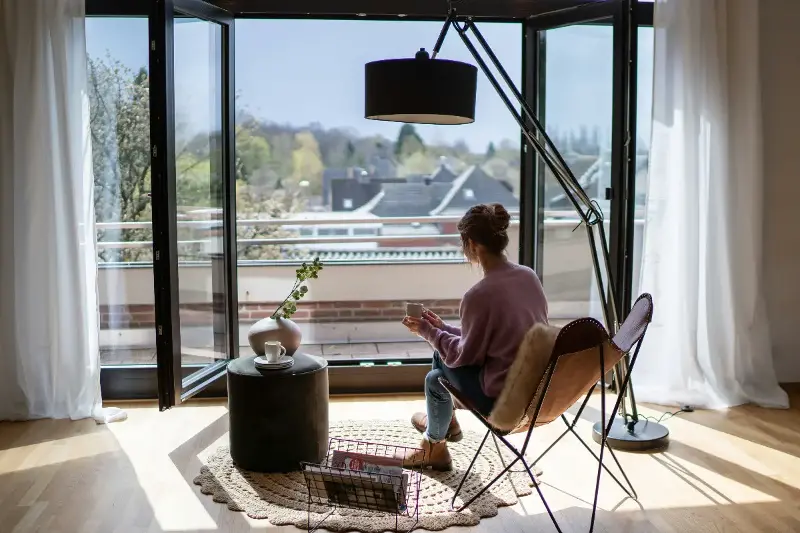
Minimalism is far more than just a sleek interior design trend or a passing buzzword trending on social media feeds. At its core, it is a philosophy and a conscious way of life that is quietly transforming modern chaos into a deep harmony that many people yearn for but often find elusive.
In a fast-paced world that constantly equates success with abundance—be it possessions, commitments, or digital engagement—minimalism offers an urgent invitation to pause, reflect, and ultimately reset. By choosing to simplify, individuals can step away from constant consumption and discover a lasting sense of inner peace.
Embracing Minimalism: Finding More in Less
Minimalism often conjures images of nearly empty rooms, monochromatic capsule wardrobes, and perfectly organized shelves. While these clean aesthetics are certainly part of the minimalist experience, the underlying philosophy runs much deeper.
- Intentional focus: Minimalism is about intentionally focusing on what truly matters to you.
- Soulful space: It requires removing the superfluous to make physical and mental room for what genuinely enriches your soul.
- Stress reduction: According to research published in the Journal of Environmental Psychology, decluttering visual and physical spaces can significantly reduce daily stress and anxiety.
Ultimately, it is not just about owning fewer things; it is about creating an environment where every single object has a distinct purpose, and every experience is chosen with intention.
The Psychology Behind Daily Simplification
Why does simplifying our environment and schedules lead to such a profound sense of peace? The answer lies directly in how our brains process clutter—both tangible and intangible.
Neuroscientists have discovered that physical clutter constantly competes for our mental attention. This subconscious overload results in decreased cognitive performance and increased fatigue. By comparison, clean, open spaces foster clarity, creativity, and calm.
True minimalism extends far beyond clearing out overstuffed closets. It is also about thoughtfully editing emotional baggage, unnecessary obligations, and digital social media overload. Streamlining your daily lifestyle gives you greater mental bandwidth to invest in what brings genuine joy, whether that means pursuing a creative passion, nurturing relationships, or simply enjoying moments of quiet rest.

Global Concepts of Mindful Moderation
The minimalist movement is truly global, yet it beautifully takes on distinct forms based on local cultural contexts.
- The concept of "Ma": In Japan, this traditional concept celebrates the profound appreciation for empty space, deeply influencing local aesthetics and lifestyle choices.
- The practice of "Lagom": In Scandinavia, this cultural principle translates to not too much, not too little. It embodies perfect balance and sufficiency, encouraging people to seek fulfillment through moderation rather than excess.
Even in bustling cosmopolitan hubs like New York, London, or Ho Chi Minh City, minimalism is thriving. Urbanites are increasingly opting for smaller, efficient homes, streamlined wardrobes, and memorable life experiences over material possessions.
Clear Material Impacts on Personal Wellbeing
It is not just emotional peace that minimalism brings—there are clear physical and financial benefits as well. Tidying your environment can dramatically improve sleep quality, promote highly productive daily routines, and contribute to excellent financial health. By curbing impulse purchases and practicing mindful consumption, minimalists consistently report spending less and saving more.
A National Institutes of Health study found that living in a tidy, well-organized home environment contributes to measurably lower levels of the stress hormone cortisol. The liberating act of letting go—whether that is a surplus of clothing or a calendar packed with draining commitments—frees up vital energy, filtering out background noise so your true life priorities can shine.
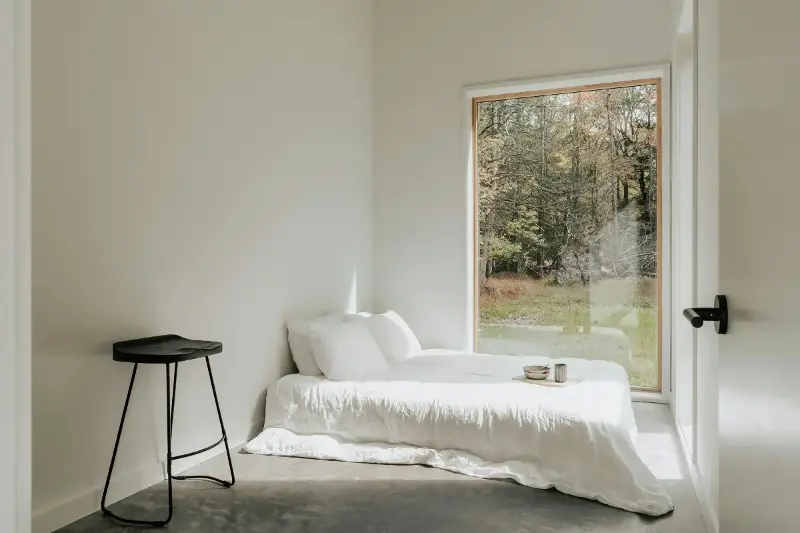
Simple Strategies to Begin Your Minimalist Journey
Transitioning to a minimalist lifestyle does not have to be a daunting, all-or-nothing leap. Making small, consistent changes can lead to remarkable results over time.
- Audit your physical space: Choose just one category—like clothing, books, or kitchen gadgets—and declutter it completely by asking yourself what you truly use or love.
- Practice digital minimalism: Unsubscribe from junk emails, remove distracting apps, and intentionally curate your online experiences to protect your focus.
- Prioritize simple self-care: With fewer possessions to manage and clean, use your reclaimed time for meditation, exercise, or enjoying a quiet morning coffee.
- Protect your calendar: Reflect on your weekly commitments and ask if they align with your values. Learning to say no is a powerful act of self-respect.
Minimalism is not a rigid destination; it is an ongoing daily practice. By embracing the minimalist way, you do not just create a more peaceful home environment—you cultivate a lasting inner harmony that resonates through every area of your life.