


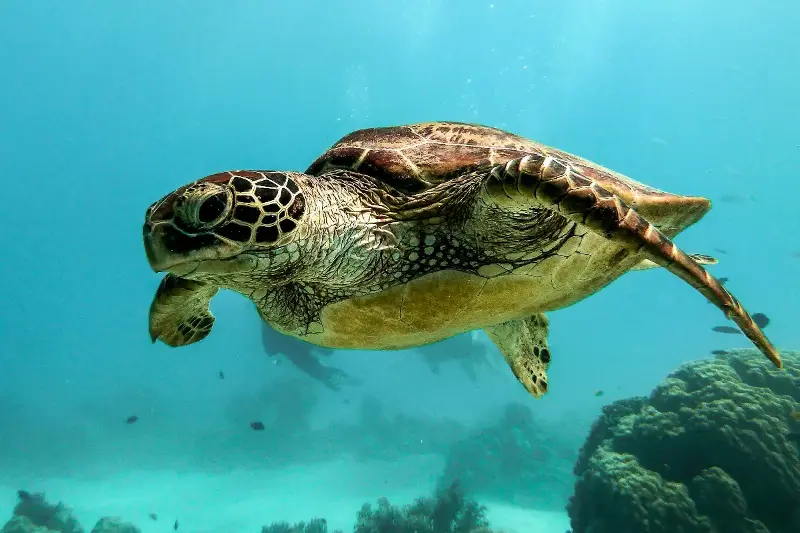
Turtles have graced our planet for more than 200 million years, surviving mass extinctions and colossal climate upheavals. This ancient lineage is not just a testament to their toughness, but a profound narrative about adaptability and endurance. When you watch a turtle gliding serenely through the water, you are observing a living relic—one of nature’s true masters. Their evolutionary success lies in the ingenious design of their shells: a portable, protective fortress that deters threats while helping them thrive in diverse environments.
LONGEVITY UNMATCHED IN NATURE
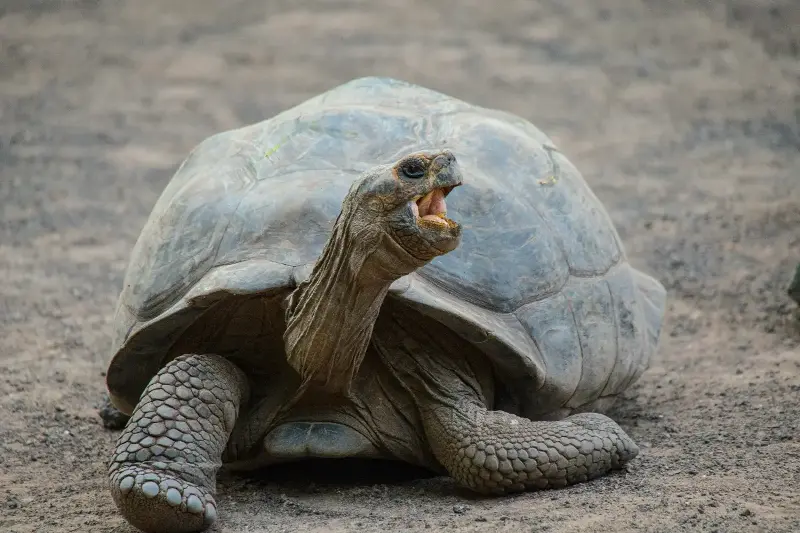
Turtles hold the keys to a remarkably long life, with species like the Galápagos giant tortoise often exceeding 100 years of age. Scientists have long studied their biology to understand this anti-aging success:
- Efficient Metabolism: Turtles possess an incredibly slow metabolic rate, allowing them to use energy efficiently and reduce tissue-damaging by-products.
- DNA Repair: Many species have evolved extraordinary mechanisms to repair their own DNA, which significantly resists the cellular damage associated with aging.
- Resource Resilience: Their ability to survive with minimal food and water during lean times allows them to outlast faster-living creatures.
THE ART OF PATIENCE AND BALANCE
Turtles are the undisputed masters of the "long game." Their unhurried approach to life is a sophisticated survival strategy rather than a simple quirk. By avoiding risky, high-energy gambles, they can weather environmental shifts that would devastate other species.
Their reproductive cycles also reflect this exquisite balance. For instance, sea turtles traverse vast oceans, returning to the very beaches where they were born to lay their eggs. This cycle of investment ensures that, despite challenges, their populations maintain a stable link between the past and the future—a natural model for what humans call sustainable living.
GUARDIANS OF ECOSYSTEM HEALTH
Beyond their ancient origins, turtles are vital "ecosystem engineers" that maintain the health of our planet:
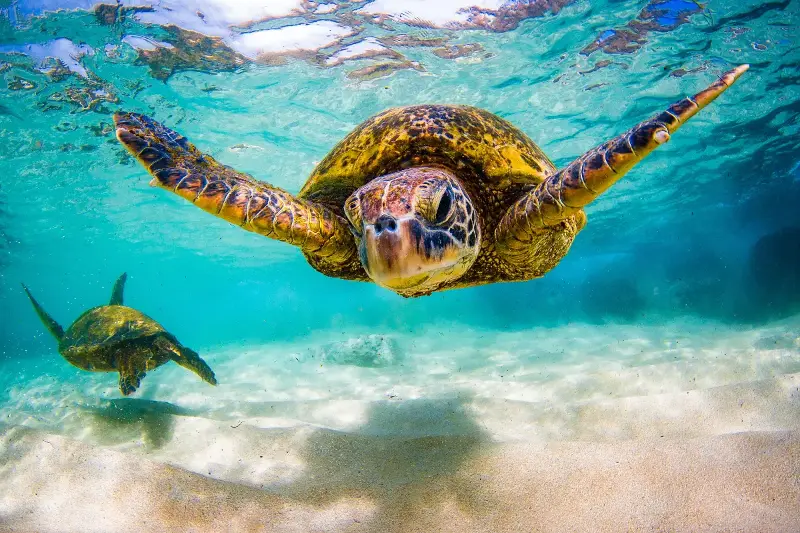
- Marine Lawns: Green sea turtles graze on seagrass, keeping underwater "lawns" trimmed, which promotes biodiversity and carbon sequestration.
- Water Quality: Freshwater species consume decaying organic matter, helping to keep rivers and lakes clean.
- Burrowing Benefits: Desert tortoises create deep burrows that provide essential shelter for dozens of other species, acting as a central axis for life in arid regions.
HARBINGERS OF ENVIRONMENTAL CHANGE
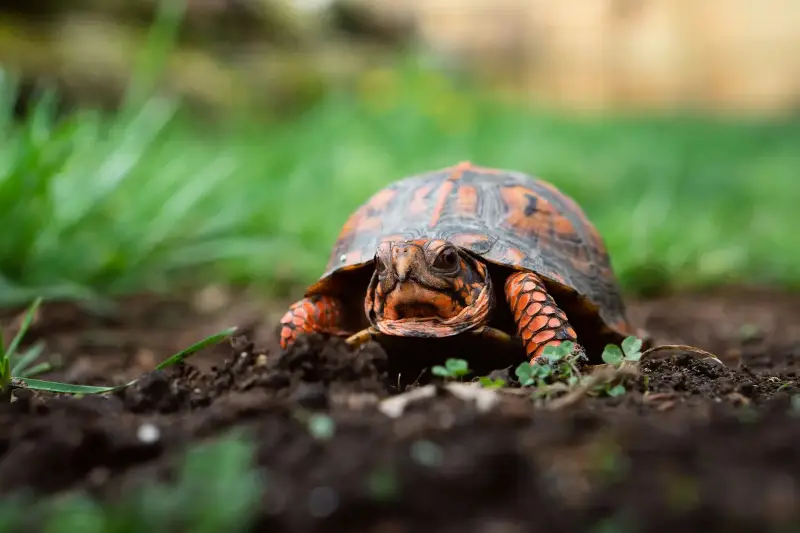
Because turtles live for decades and occupy key positions in food webs, they are highly sensitive indicators of Earth’s health. They serve as a living alert system for environmental disruptions:
- Temperature Sensitivity: For sea turtles, the sex of hatchlings is determined by sand temperature. Rising temperatures are causing shifts in these populations, providing scientists with clear data on climate impacts.
- Pollution Indicators: Because they ingest elements from their environment over such long periods, their health often mirrors the presence of pollution in our oceans and rivers.

A LIVING LEGACY WORTH PROTECTING
Turtles hold the secrets of survival and environmental harmony within their shells. In a world that often prizes speed above all else, their steady pace offers a powerful lesson in patience and resilience. As guardians of Earth’s oldest wisdom, turtles remind us that true strength is not measured by aggression, but by our ability to live in balance with the natural world. By protecting these ancient wanderers, we are safeguarding a piece of history that connects us to both the distant past and a healthy future.