



Every year, thousands of people find themselves in unexpected life-or-death situations—lost in the woods, stranded on the side of the road, or facing sudden natural disasters. While most of us hope we’ll never have to rely on survival skills, it’s often the lesser-known tricks that make the biggest difference when trouble strikes. Being prepared is not just about carrying survival kits or having extra water; it’s about knowing what to do when the usual rules no longer apply. Here are ten life-saving survival skills you never knew you needed—until it’s too late.
The Power of Staying Put
When adrenaline is surging and panic sets in, the instinct to move can be overwhelming, but sometimes the safest choice is to stay exactly where you are. Particularly if you are lost in the wilderness, stopping to create a visible signal allows rescuers to find you sooner. Experts call this the S.T.O.P. principle: Stop, Think, Observe, and Plan. Taking a moment to calm your nerves, assess your surroundings, and decide on your next move can dramatically increase your chances of rescue. This simple discipline can turn a terrifying situation into a manageable one.
Building Shelter with What’s Around You
You don’t need a tent or fancy tarp to protect yourself from the elements. Shelter is your first line of defense against hypothermia and heatstroke, and making a basic lean-to from branches, leaves, or even a garbage bag can keep you warm and dry. Learn to read your environment: in the woods, pile leaves and sticks against a fallen log, or look for natural overhangs. In the city, cardboard and plastic sheeting can create vital insulation. The trick is to minimize heat loss or shield yourself from the sun, using whatever materials are at hand.
Water Sourcing and Purification Tricks
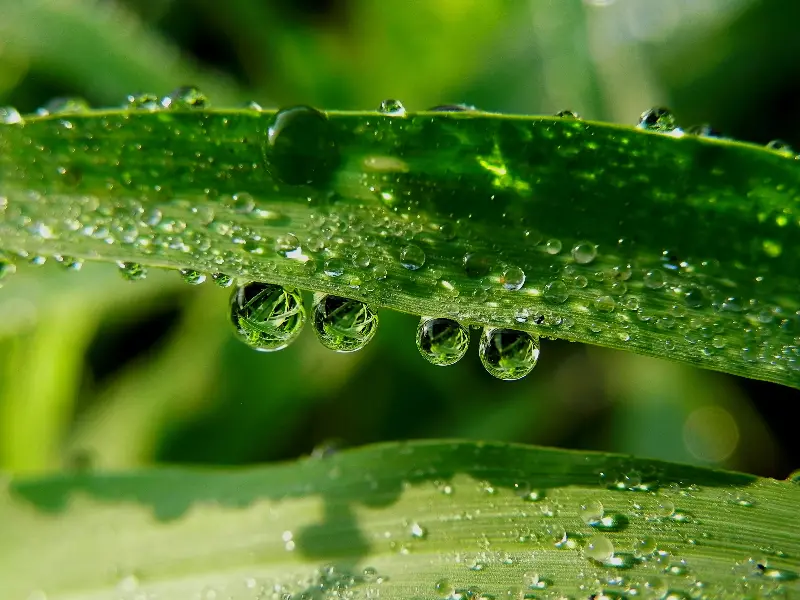
Finding water is one thing; making it safe to drink is another. Collecting morning dew with a clean cloth, harvesting rainwater, or digging a small hole in damp soil and letting water seep in are often-overlooked ways to find hydration. Purifying water can be as simple as boiling it—or, in a pinch, adding a few drops of household bleach per liter and letting it stand for 30 minutes, a life-saving hack if you can’t build a fire. Alternatively, you can use a T-shirt filter: pour water through several layers of clean fabric to remove visible debris before attempting to disinfect it.
The Surprising Versatility of Duct Tape
It’s not just for quick household fixes. Duct tape can patch clothing, waterproof shoes, make rope, splint a broken limb, or even seal wounds temporarily. Travelers and adventurers always recommend stowing a small roll in your gear. You can even twist strips of duct tape into cords for tying or use it as a makeshift bandage to keep wounds clean and protected.
Signaling for Help in Clever Ways
You don’t need a flare gun to be seen. Make use of mirrors, your phone screen, or any shiny object to reflect sunlight and catch attention. Creating large shapes on the ground with rocks or branches is effective from the air, while three distinct signals (sounds, fires, or visual markers) signal distress internationally. If at night, flashing a light three times is recognized as an S.O.S. by many rescue professionals. Remember, anything that stands out from the natural environment can draw critical attention your way.
Food Foraging Fundamentals
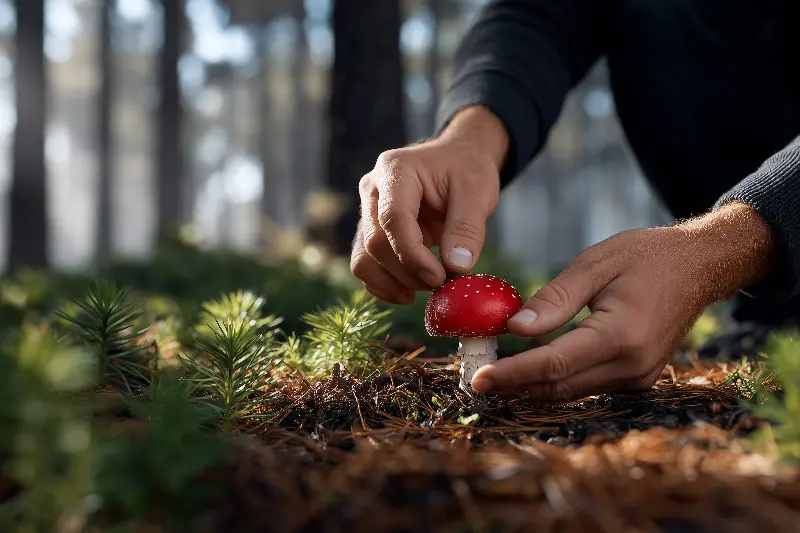
Edible wild plants grow everywhere, from city parks to deep forests. Learn to identify a few basics like dandelion, clover, or wild berries in your area. Though you should never eat a plant unless you’re certain it’s safe, knowing even a handful of edible options can stave off hunger. Carrying a pocket guide or downloading an identification app can save your life when traditional food sources run short. And don’t forget: insects like crickets and grasshoppers are high in protein and surprisingly edible in a survival situation.
Making Fire without Matches
Starting a fire is about more than warmth—it’s for signaling, purifying water, and warding off insects or predators. Beyond the traditional methods, use steel wool and a battery: simply touch both battery terminals to the wool, and watch it spark into flame. Alternatively, a pencil sharpener can help you create tinder shavings, even from wet wood. Knowing how to make a dependable fire in wet or windy conditions can literally be a lifesaver.
Improvising First Aid when Supplies Are Low
A lot can go wrong when you’re far from help, and knowing how to improvise first aid is crucial. Clean wounds with the cleanest water you have, and use clothing strips as bandages. Tampons and sanitary pads become excellent dressings for bleeding, while a plastic bag can create an emergency chest seal. Even your belt can become a tourniquet in a worst-case scenario. Quick, decisive action using everyday items can stop a crisis from becoming a catastrophe.
Reading the Weather and Environment
Survival isn’t just about brute force—it’s about paying attention. Clouds tell stories: wispy, high clouds often signal clear weather, while thick, dark clouds warn of storms. In forests, birds fall silent before big storms, while in deserts, animal tracks lead you toward water. Noticing which way moss grows (usually on the north side of trees in the Northern Hemisphere) or the direction of flowing water can guide you if you’re disoriented.

Mental Fortitude: Your Most Important Skill
All the gear and knowledge in the world won’t help if your mind gives way to panic. Staying calm, focused, and positive isn’t just good advice—it’s proven to increase survival odds. Practice “square breathing” or basic meditation to keep your wits about you. Remember, people have survived incredible ordeals simply by refusing to give up hope.
Being prepared isn’t about expecting disaster, but about knowing you have the inner resources to face the unexpected. With these ten surprising skills, you’ll be ready for more than you ever imagined—no matter where life takes you.