


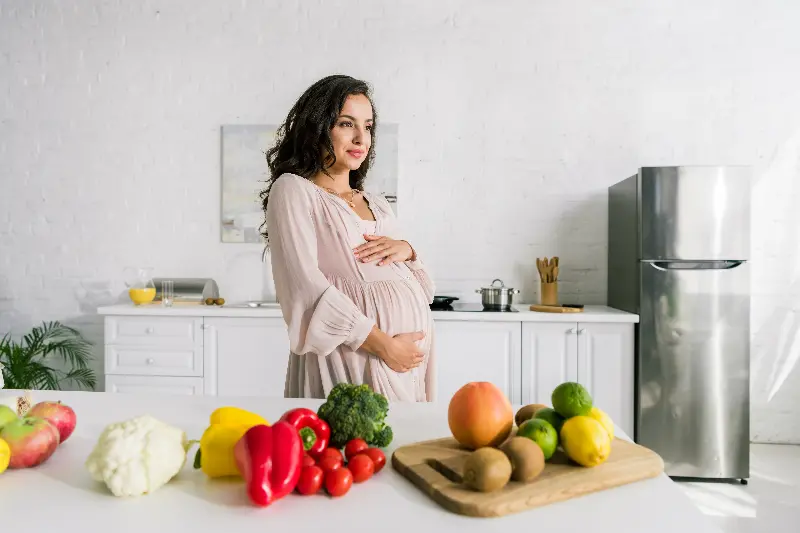
Pregnancy is an incredible journey filled with anticipation, excitement, and plenty of big decisions. One question that consistently pops up for expectant parents is: “What should I eat for my baby and me to stay healthy?” With layers of advice from family, friends, and the internet, it’s easy to feel overwhelmed. But fear not—there really are some science-backed foods that help your body (and your baby) thrive during these nine momentous months. Let’s dig into what foods rise to the top of the pregnancy menu—and which ones are better left off your plate.
Nutrient-Packed Foods That Boost You And Baby
Think of pregnancy as running a marathon—fueling up on nutrient-rich foods is key. That famous “eating for two” phrase doesn’t mean doubling up on calories, but rather focusing on quality. During pregnancy, your body needs more folate, calcium, iron, protein, and omega-3 fatty acids. Here’s where you’ll find them:
Leafy greens like spinach, kale, and Swiss chard are loaded with folate, crucial for baby’s neural tube development in those first few weeks. If you’re not a salad fan, toss them into smoothies or scrambled eggs. Beans and lentils do double-duty by supplying both protein and folate—the perfect combo for building tissues and supporting baby’s growth.
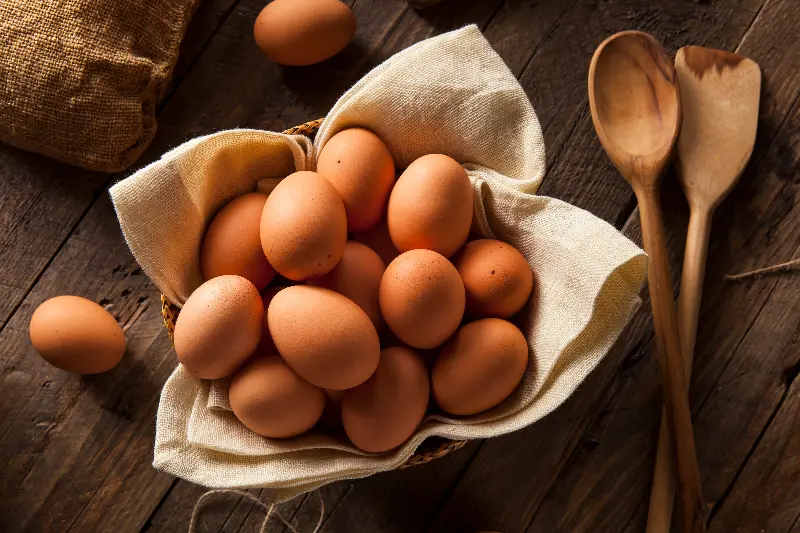
Eggs are pregnancy all-stars, providing high-quality protein and choline, which supports brain development. Try scrambled eggs on whole-grain toast for a satisfying snack. For those busy mornings, a hard-boiled egg on the go is a smart choice.
Dairy deserves a spot on your plate, too. Yogurt (especially Greek yogurt), milk, and cheese provide calcium for baby’s growing bones and vitamin D to help your body absorb all that calcium. Greek yogurt also contains probiotics, which can support a healthy digestive system—something many moms-to-be appreciate as their bodies change.
Fatty fish like salmon, sardines, or trout provide omega-3 fatty acids, especially DHA, helping to develop baby’s brain and eyes. Unlike swordfish or king mackerel, these options are low in mercury and safe for pregnancy when eaten two or three times a week.
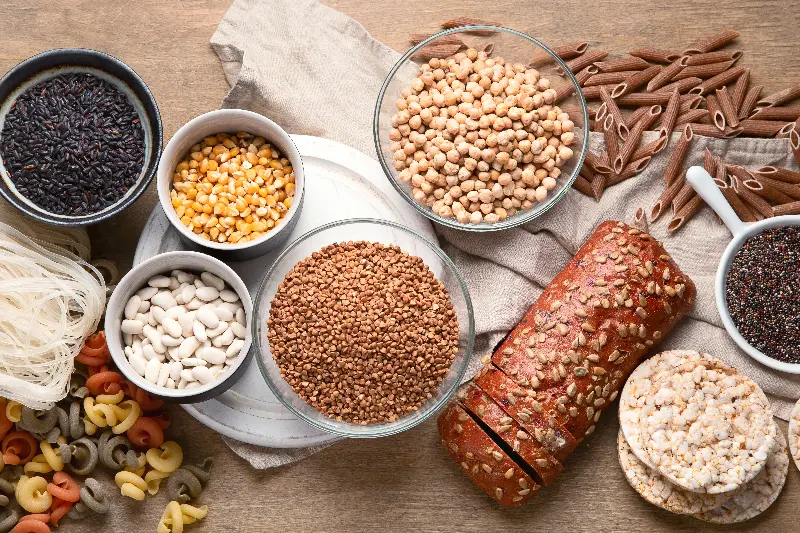
Whole grains such as oats, brown rice, and quinoa deliver fiber to keep things moving (let’s be honest, constipation can become a not-so-welcome guest), as well as energy-boosting complex carbohydrates and a range of B vitamins.
Don’t forget color at mealtime! Berries, avocados, oranges, sweet potatoes, and bell peppers bring extra vitamins, antioxidants, and fiber. Sweet potatoes double as a beta-carotene source, supporting your baby’s eye and skin development. Not only do these vibrant picks pep up your plate, but they also help fight off pregnancy fatigue with natural energy.
Foods To Limit Or Skip During Pregnancy
Now that we’ve covered what’s in, let’s highlight a few no-gos. Some foods carry real risk when it comes to you and your growing baby’s health, so it’s wise to be cautious.
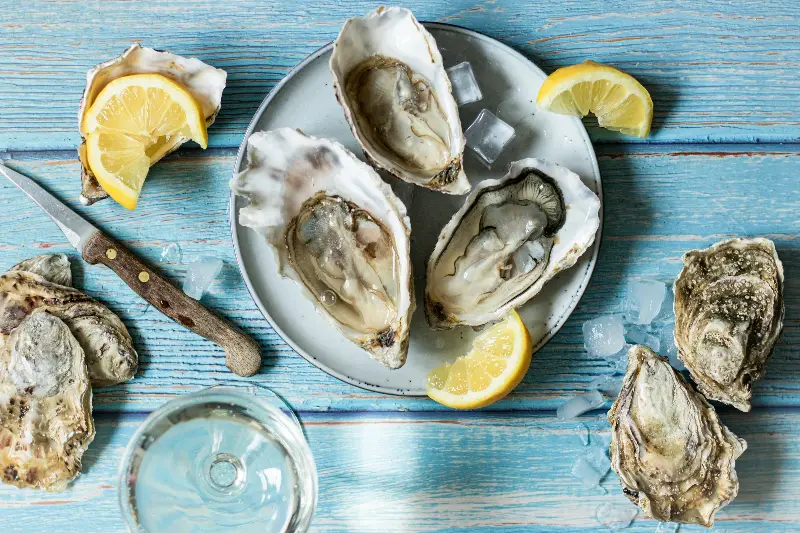
Certain fish are best avoided because of their high mercury levels—think shark, swordfish, king mackerel, and tilefish. Raw or undercooked seafood, such as sushi and oysters, may contain harmful bacteria or parasites. If you’re craving California rolls, try veggie or fully cooked versions instead.
Unpasteurized dairy products and juices can harbor listeria, a type of bacteria that poses a higher risk during pregnancy. Stick to pasteurized cheeses (think mozzarella, cheddar, or cream cheese) and dairy that’s clearly labeled as safe.
Soft cheeses like brie, camembert, and blue cheese should be eaten only if made with pasteurized milk. The same goes for deli meats and hot dogs, which should be heated until steaming to kill potential bacteria.
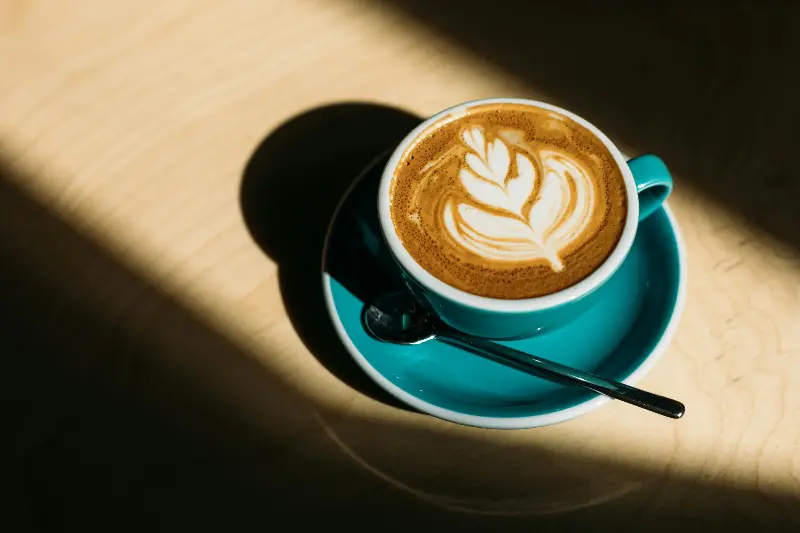
Ditching or cutting back on caffeine is another healthy move. Most professionals suggest less than 200 milligrams daily—that’s about one 12-ounce cup of coffee. Too much caffeine has been linked to an increased risk of miscarriage and low birth weight.
Alcohol tops the list of foods to skip entirely. There’s no known safe amount during pregnancy, and it can cause fetal alcohol syndrome and other lifelong developmental issues for your baby. If you’re looking for celebratory drinks, sparkling water with fruit can be festive and delicious.
It’s also best to avoid raw or runny eggs because of the risk of salmonella, and to wash fruits and vegetables thoroughly to avoid exposure to toxoplasmosis or other germs lurking on produce.
Clever Snack Ideas For Pregnancy Cravings
Pregnancy cravings can be unpredictable—one minute you’re dreaming of pickles, the next only chocolate will do. Balance is key, so try pairing cravings with nourishing ingredients.
For salty cravings, choose air-popped popcorn seasoned with a sprinkle of parmesan and herbs. If crunchy and sweet is calling, apple slices with peanut butter (or almond butter) are a satisfying choice, packed with fiber and protein to keep your energy up.
Hummus with carrots, cucumber, and whole-grain crackers is another easy winner, combining protein and fiber while delivering that satisfying dip.
If you’re in the mood for something sweet, frozen grapes, a banana “nice cream” (just whip frozen bananas in the blender), or Greek yogurt with berries and a drizzle of honey hit the spot—without spiking your blood sugar like more processed treats might.
