


If you've ever watched an adventure film, you may have been intrigued by the dramatic scenes where the hero is on the verge of being swallowed by a pit of quicksand. While these portrayals are significantly exaggerated, quicksand does exist and can pose a real risk if you're not prepared. However, the reality of surviving quicksand is less about battling sinister forces of nature and more about understanding simple physics and remaining calm.
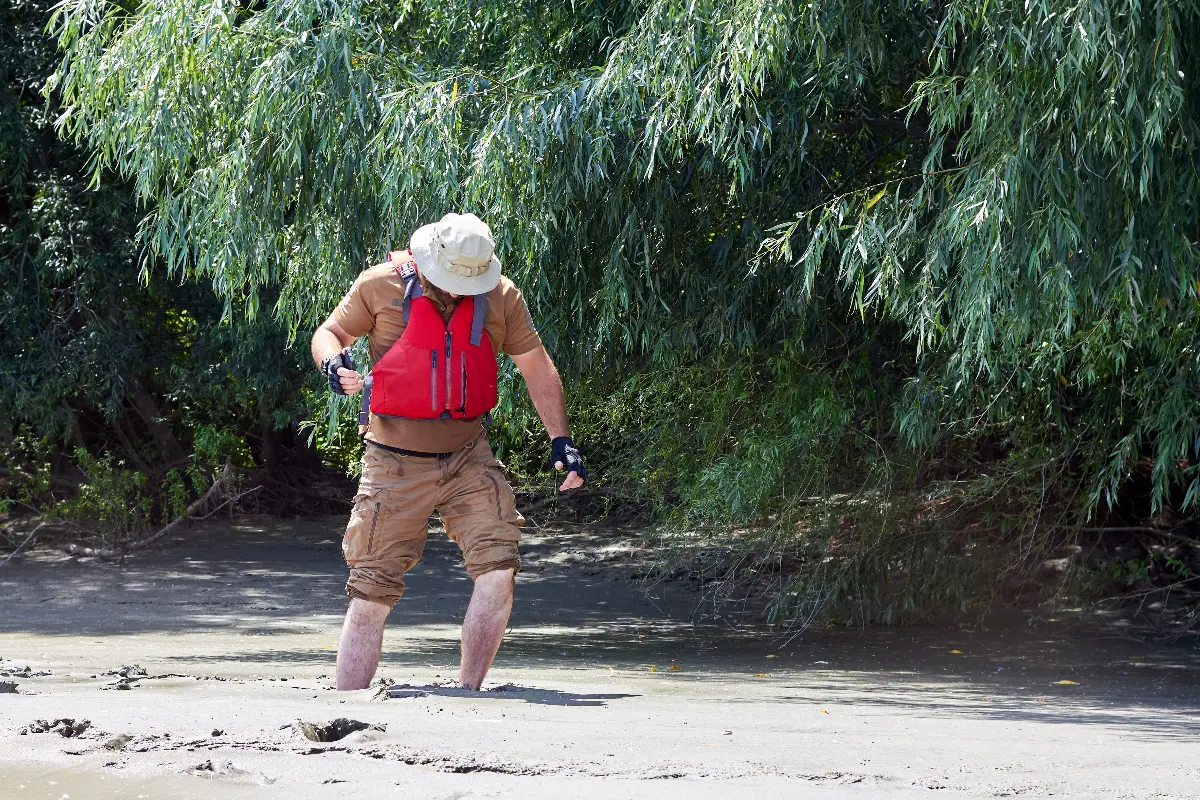
Quicksand is not the deep, bottomless pit depicted in movies; it's more of a saturated sand that forms a semi-liquid mixture which can trap objects. The danger arises when you step into it and your movements cause you to sink deeper. Contrary to popular belief, it's highly unlikely that quicksand will completely engulf a person. But it can certainly immobilize you and lead to a dangerous situation, especially if the tide is coming in or if you are in a remote area.
So, what should you do if you find yourself stepping into quicksand? First and foremost, don’t panic. As difficult as it may sound, keeping your cool is essential. Panicking increases the chance of sinking more quickly because frantic movements can make the sand around you more fluid. Remember that it's buoyancy that will be your ally here, not brute force.
The human body is less dense than quicksand, so you can float more easily than you may think. The key is to lean back slowly and try to increase your surface area to avoid sinking further. You'll want to move slowly and deliberately to bring your legs up because quick movements can create a vacuum underneath you that makes it harder to pull your legs out.
Once you're floating more, try to reach a horizontal position on your back. At this point, you can use your arms to paddle towards the edge of the quicksand area. If you have a stick or pole, it can help you to stay buoyant.
If you're with someone who gets stuck in quicksand, don't rush to pull them out. You could end up being trapped as well. Instead, find a long branch or rope to extend towards them or look for something that can be laid over the quicksand to distribute the weight more evenly as they attempt to crawl out.
Prevention, as with many hazards, is the best tactic when dealing with quicksand. If you're exploring areas where quicksand could be a hazard, such as riverbanks, beaches near the ocean, lake shorelines, marshes, or near melting glaciers, stay aware of the ground in front of you. Quicksand can sometimes appear solid but may have a slightly different texture or look wet and jiggly upon closer inspection. Using a walking stick can help test the ground ahead without having to step onto it.
Wearing appropriate gear can also make a difference. Lightweight shoes can make extracting your feet easier should you step into quicksand, while heavy hiking boots can become a liability by sinking faster and making it harder to get your feet out.
What's more, quicksand is often found near water, so being aware of tides and weather patterns is critical. An area that is dry at one moment could be at risk of flooding due to incoming tides or heavy rains, complicating escape efforts. Always check the tide times and weather forecast before venturing out into these environments.
In addition to these practical tips, understanding the science behind quicksand can add an extra layer of preparation. Quicksand occurs when water saturates an area of loose sand and the sand is agitated. When water in the sand cannot escape, it creates a liquefied soil that loses strength and cannot support weight. By knowing this, you can be better prepared to identify potential quicksand areas.
Lastly, if you're traveling to areas where quicksand is possible, inform someone of your itinerary and expected return time, and carry a mobile phone or some form of communication device for emergencies. It's always a good idea to explore with a companion; companions can help each other out of sticky situations, literally and figuratively.
In summary, while quicksand isn't the death trap movies make it out to be, knowing how to deal with it effectively could save your life or someone else's. Remain calm, be buoyant, move slowly, and think ahead to avoid getting caught in a tight spot. With these tips in mind, you can enjoy the great outdoors with confidence, ready to face challenges that come your way. Stay curious and cautious, and nature will reveal its wonders without pulling you in too deep.