


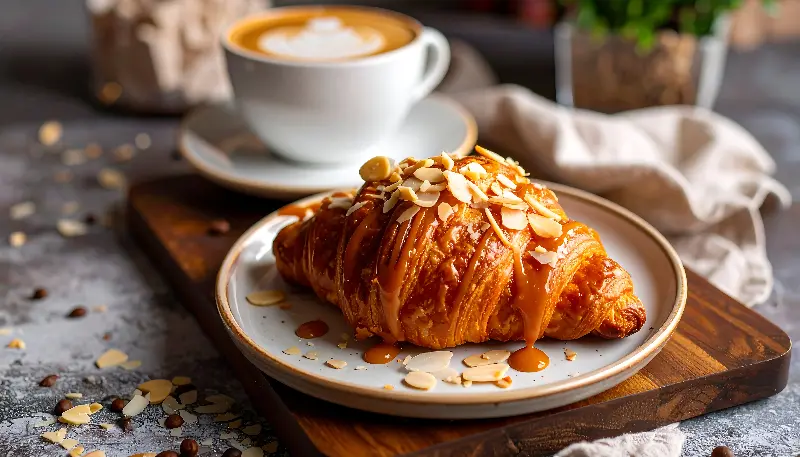
When it comes to French pastries, most of us think immediately of the iconic croissant: golden, flaky, and perfectly buttery. But what if we told you the croissant is just the tip of the iceberg in France’s world of sweet treats? Hidden in local bakeries, small cafés, and family-run pâtisseries are a treasure trove of unique pastries you may never have heard of.
As much as the Eiffel Tower and café culture, these regional delights are part of what makes a visit to France unforgettable. Lace up your walking shoes and loosen your belt as we take you on a culinary tour of five of France’s most unique, secret pastries. You don’t need a plane ticket to taste these stories—just an appetite for adventure.
The Basque Wonder: Gâteau Basque
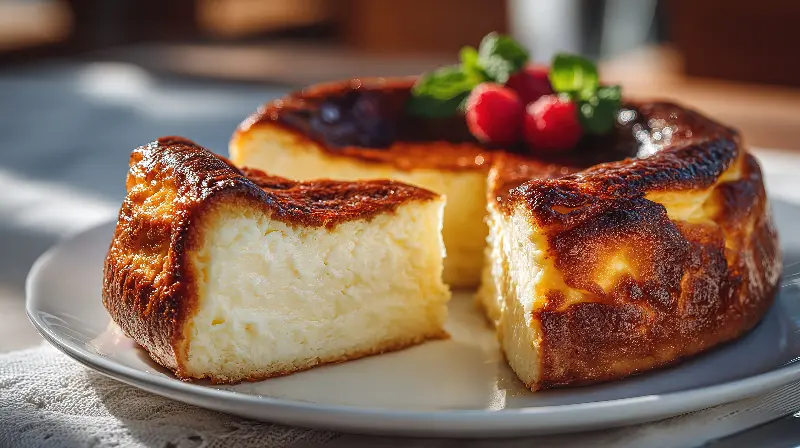
Far from the bustling streets of Paris, in the verdant hills of French Basque Country, locals have been baking Gâteau Basque for centuries. At first glance, this unassuming cake might appear simple, but the surprise is tucked deep inside.
- The Texture: A crust with a gentle, shortbread-like crunch that yields to a soft, flavorful interior.
- The Fillings: Traditionally, this pastry comes with two tempting options: black cherry jam or vanilla pastry cream.
- The Secret: The dough is often scented with almond, creating a "love letter" written in flour and butter.
Locals guard their family recipes with fierce devotion, and no two cakes are ever exactly alike. If you visit the town of Cambo-les-Bains during July’s Gâteau Basque Festival, you can taste versions from dozens of local families. Pair a slice with a cup of strong coffee, and you’ll understand why this is considered the region’s secret culinary treasure.
A Sweet From Brittany: Kouign-Amann
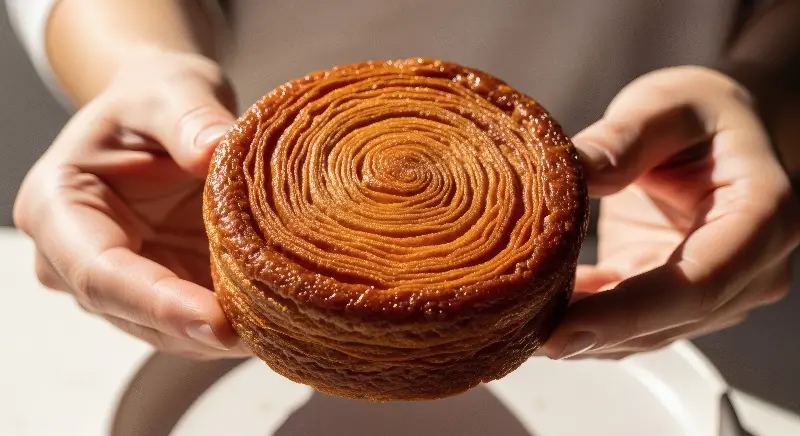
If you’ve ever thought croissants were the ultimate buttery indulgence, you haven’t met the kouign-amann. Hailing from Brittany, this pastry’s name literally translates to “butter cake” in the Breton language, and it lives up to every bit of that promise.
- The Construction: Layer upon layer of laminated dough, folded with high-quality European butter.
- The Finish: A generous sprinkle of sugar that, when baked, causes the edges to caramelize into crispy perfection.
- The Flavor Profile: A sophisticated balance of sweet, salty, and slightly sticky.
Invented in the 1800s as a happy accident during a bread shortage, the kouign-amann is now a cultural icon. While it has started to make appearances in international bakeries, the true version is best experienced in Brittany, where the salty sea breezes mingle with the scent of hot sugar.
The Scented Souvenir: Tarte Tropézienne
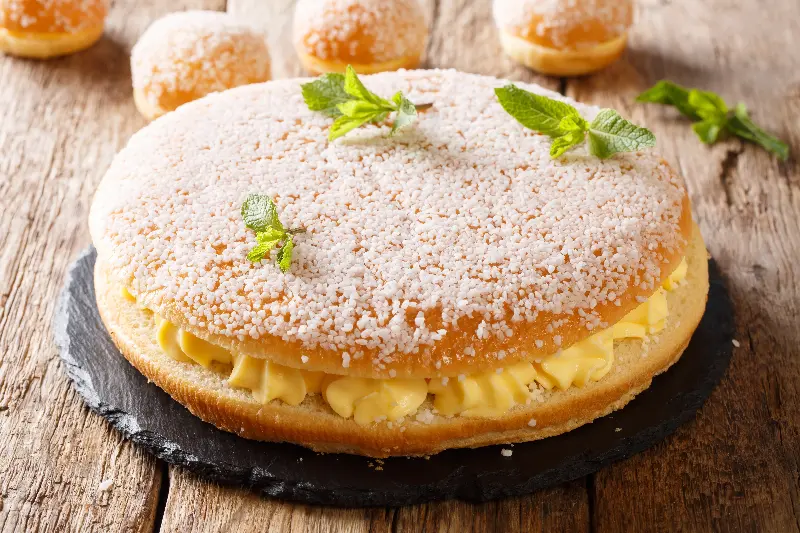
The French Riviera’s sunlight-bathed town of Saint-Tropez boasts one of the country’s most glamorous pastries: the tarte tropézienne. Created in the 1950s by Polish pastry chef Alexandre Micka, it was made internationally famous by film icon Brigitte Bardot.
This eye-catching treat combines a light, yeasty brioche base with a dreamy cream filling, lavishly dusted with pearl sugar on top.
- The Cream: A secret mixture of two or more creams, often infused with vanilla and orange flower water.
- The Aroma: Every bite offers a delicate, floral scent reminiscent of a Mediterranean garden.
Despite its association with chic parties and celebrities, the tarte tropézienne remains a humble comfort food for locals. Each bakery in Saint-Tropez claims its own formula, so sampling a few is practically a legal requirement for visitors.
The Alsatian Jewel: Kouglof
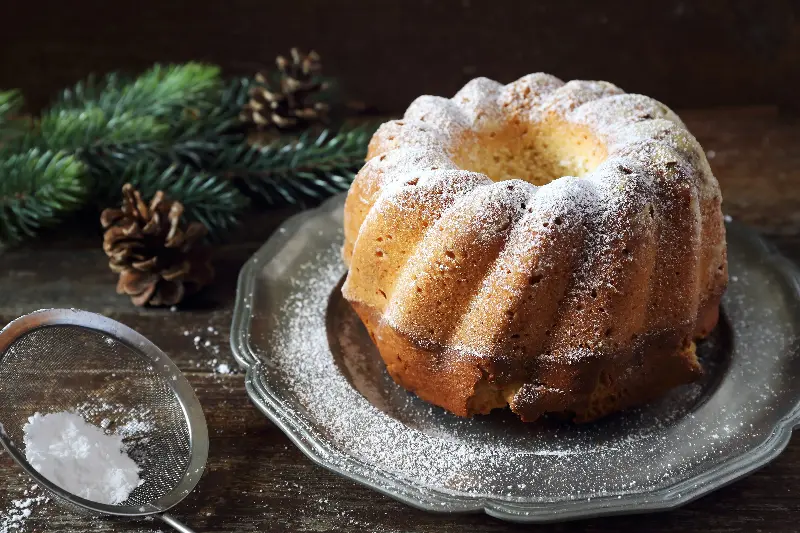
Travel to the half-timbered villages of Alsace and you’ll spot a pastry that looks like it came from a fairy tale—the kouglof. Resembling a towering bundt cake crowned with whole almonds and a snowy dusting of powdered sugar, it is as beautiful as it is delicious.
- The Dough: An enriched yeast dough, gently flavored with rum.
- The Ingredients: Studded with plump raisins and decorated with almonds at the base of its unique fluted mold.
- The Tradition: While it looks like a holiday treat, it is enjoyed year-round with a glass of local white wine or morning coffee.
Legend says Marie Antoinette herself brought the recipe from Austria, but today, it is deeply rooted in the rhythms of Alsatian village life.
The Regional Royalty: Canelé De Bordeaux
The canelé (pronounced kah-nuh-lay) is definitive proof that great things come in small packages. Hailing from the wine capital of Bordeaux, this petite, fluted pastry is a masterclass in contrast.
- The Exterior: A deep, dark caramelized crust that is both crisp and chewy.
- The Interior: A tender, custardy center laced with vanilla and rum.
- The Method: These little marvels owe their shape to traditional copper molds, which ensure the high-heat caramelization process succeeds.
Once a little-known specialty, the canelé now enjoys the status of a regional symbol. Its silky interior and "burnt" sugar shell make it the perfect partner for a glass of dessert wine.
