



Step into any conversation about the animal kingdom, and it won’t be long before someone chimes in with a curious fact—or what sounds like one. From porcupines supposedly flinging their quills like arrows to goldfish having a three-second memory, animal myths weave themselves through our culture until they seem impossible to brush away.
But how accurate are these persistent claims, and what do they reveal about how we view the wild world? Let’s dive into the data and separate the fanciful fiction from the remarkable reality.
Brains, Memories, And Surprises: Animals Are Smarter Than You Think
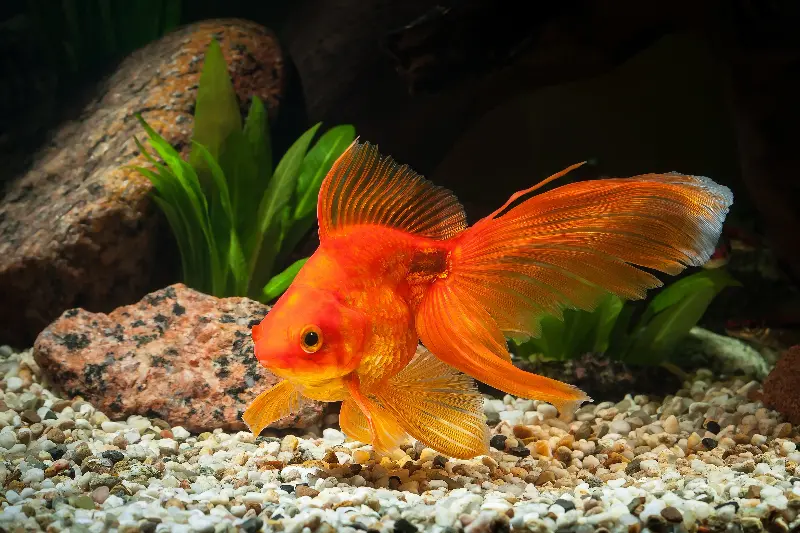
Take the ever-popular myth about goldfish: that they can’t recall anything for longer than three seconds. This persistent tidbit is repeated everywhere from Saturday morning cartoons to casual office banter. In reality, goldfish easily outperform this feeble reputation.
- Long-term Recall: Research shows they can remember feeding times and recognize their owners.
- Trainability: Goldfish can be trained to complete complex tasks, remembering lessons for up to several months.
- The Origin: The myth likely began as a convenient way to rationalize why fish swim in small circles without appearing "bored".
Then there’s the famous phrase “elephants never forget”, which, surprisingly, is rooted strongly in biological fact. Elephants exhibit remarkable cognitive abilities, recognizing specific individuals, complex migration routes to water holes, and even the unique voices of herd members after decades apart. This powerful recollection supports their survival, helping them navigate vast landscapes and intricate social hierarchies.
Mysterious Abilities: Myths About Defenses And Senses
Consider the idea that mother birds will reject their babies if touched by humans, supposedly detecting a "human scent". This widespread belief likely arose as a white lie to deter children from handling fragile fledglings.
- The Reality: With very few exceptions, birds have a remarkably poor sense of smell.
- Parental Instinct: Most parent birds will completely ignore the scent of a human and continue to care for their chicks with unwavering dedication.
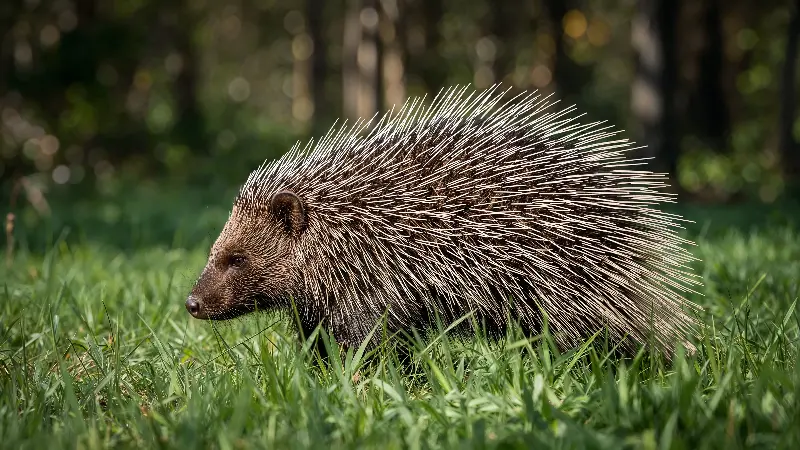
Porcupines shooting their quills is another animal tale that gets plenty of buzz. The truth is a little tamer: while their quills detach with incredible ease as a defense mechanism, porcupines cannot actually launch them through the air like projectiles. Instead, they use their tails or bodies to back into threats, making the quills stick like natural, barbed needles.
Furthermore, the label “blind as a bat” is a complete misnomer. Most bat species have excellent eyesight; in fact, many see significantly better than humans in low-light conditions. Their legendary echolocation is an added navigation tool, not a replacement for vision.
Unlikely Dangers: Separating Scare Tactics From Truth
Sharks have long starred as the villains of the deep, with legends claiming they will “die if they stop swimming”. While this applies to some species, it is far from a universal rule:
- Ram Ventilation: Species like Great Whites must keep moving to force oxygen-rich water over their gills.
- Buccal Pumping: Other species, such as Nurse Sharks, can stay perfectly still. They use cheek muscles to actively "gulp" water through their mouths while stationary.
It is not only sharks who get the short end of the stick. Many people believe daddy longlegs are the world’s most venomous spiders but "their fangs are too short to bite". This is a double myth. First, most creatures called daddy longlegs (Opiliones) aren't true spiders at all. Second, they possess zero venom that is harmful to humans. They are entirely harmless scavengers more interested in a quiet corner than causing chaos.

Animal Relationships: Unraveling Social Stereotypes
Lemmings are often used as a metaphor for "blind groupthink" because of the story that they commit mass suicide by jumping off cliffs. This myth was tragically cemented in the public consciousness by a staged scene in a 1958 wildlife documentary.
“In the wild, lemmings do not willingly plunge to their deaths. While they may die during treacherous mass migrations in search of food, there is no inherent biological intent to leap off precipices.”
In the canine world, the “alpha wolf” concept has enjoyed a stronghold in pop psychology. The idea of a pack governed by a "harshly dominant leader" actually came from observing unrelated, captive wolves in stressful environments. In the wild, wolf packs function as nuclear families. The "alphas" are simply the parents, and the pack dynamic is built on cooperation, care, and kinship rather than brute force.

Why Myths Stick—And Why They Matter
Why do these stories persist despite modern science? Sometimes, they provide convenient explanations for strange behaviors. Other times, they serve to entertain or teach children lessons through exaggeration.
However, debunking these myths is vital for several reasons:
- Reducing Fear: Misunderstandings foster needless hostility toward vital species like bats and sharks.
- Wildlife Protection: Knowing that birds won't reject handled chicks can lead to better rescue efforts.
- Appreciation of Complexity: By looking beyond the rumors, we open ourselves up to a natural world where fact is consistently more remarkable than fiction.