


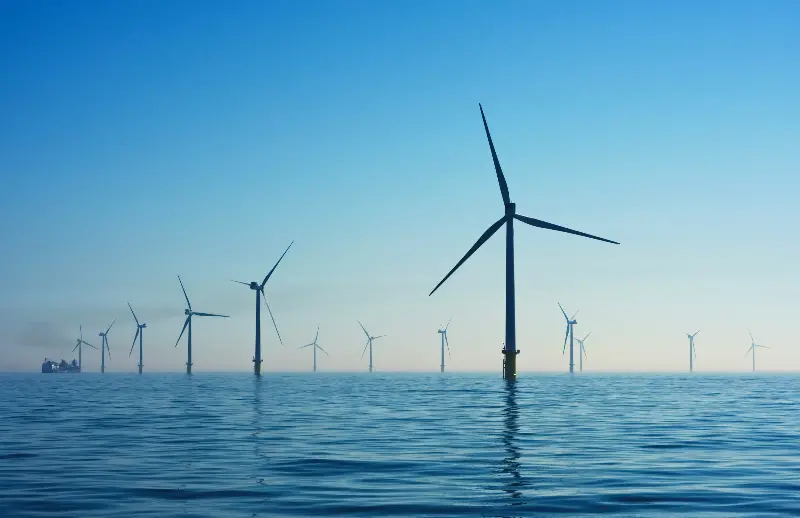
Imagine a future where every socket in your home, every car on your street, and every flickering light in your city is powered by the wind, the sun, or the silent heartbeat of the earth. It’s a vision both tantalising and urgent, as the call for clean, renewable energy grows louder each day. Yet, despite impressive leaps, the journey towards a world run entirely on renewables is fraught with challenges—and surprising twists.
The Renewable Surge: Progress Beyond Expectations
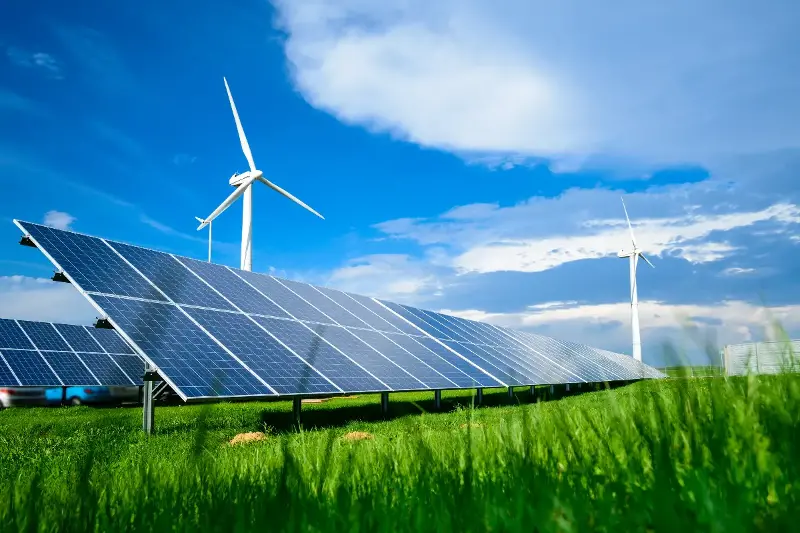
Over the last decade, the pace of clean energy adoption has surprised even the most optimistic experts. Solar panels now adorn rooftops in neighbourhoods from Nairobi to Newcastle, and wind turbines shape skylines worldwide. Today, renewables account for nearly a third of global electricity generation—an astonishing leap from just 20% ten years ago. Solar and wind, often written off as expensive luxuries, have become some of the cheapest sources of power in many regions.
Why are renewables booming? Here’s what’s fuelling the revolution:
- Plummeting Costs: The price of solar panels has dropped by around 85% since 2010, and onshore wind by about 55%.
- Public Pressure: Climate awareness is shaping consumer and corporate choices, with many demanding greener energy at home and work.
- Government Action: Ambitious policies and subsidies in the EU, China, and the US have turbocharged expansion.
Yet, as fast as we’re moving, we’re still far from flipping the switch entirely.
The Hidden Hurdles In Our Way
Why can’t we just cover every rooftop with solar panels and call it a day? The answer lies in the complexity of our energy systems.
Firstly, electricity is just one piece of the energy puzzle. Around 80% of the world’s energy is still derived from fossil fuels, largely for transportation, heating, and heavy industry—areas trickier to electrify.
- Storage Stalemate: Solar and wind are unreliable—clouds and calm days can leave us powerless. Although battery technology is improving, today’s solutions struggle to store enough energy for extended cloudy or windless periods.
- Grid Lock: Much of our electricity grid was built for fossil fuels, not the decentralised ebb and flow of renewables. Modernising these grids to balance supply and demand remains a colossal challenge.
- Raw Material Roadblocks: Renewables rely on rare earth elements and metals. Mining and sourcing these can pose environmental and ethical dilemmas.
- Policy and Investment Gaps: Inconsistent policies and under-investment, especially in developing nations, slow the spread of clean energy infrastructure.
The transition isn’t just a technological puzzle; it’s a human one—requiring cooperation, innovation, and immense political will.
At Home: The Final Frontier of Change
For many, the journey to a cleaner world begins at home. But converting every household to pure clean energy isn’t as simple as buying a few solar panels.
Here’s what stands between the average person and a zero-emissions home:
- Upfront Costs: Although cheaper than ever, installing solar, upgrading insulation, or buying a heat pump still demand a healthy bank balance.
- Knowledge Gaps: Many homeowners simply aren’t sure what options exist, or fear disruption to their daily lives.
- Local Infrastructure: Rural or remote homes often face bigger hurdles, from lack of grid connections to harsher climates.
Still, hope is everywhere: community solar gardens, shared wind power, and innovative financing schemes are making it easier than ever for individuals and neighbours to get involved.
What’s Next: Breaking Through the Glass Ceiling
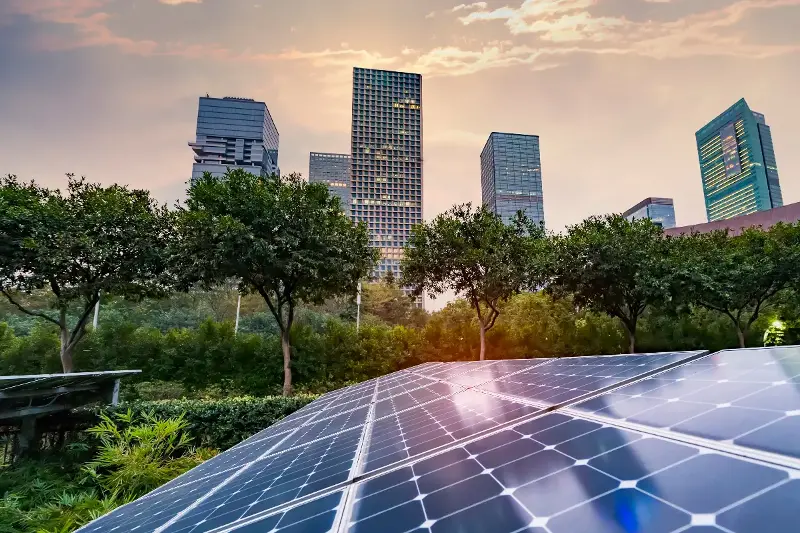
So, how close are we to the holy grail—a world run on 100% clean energy? Most projections say “not soon enough,” but momentum is undeniably building. Breakthroughs in battery storage, smarter energy grids, and greener heating are racing towards reality. Some nations, like Iceland and Norway, already source near-total energy from renewables, proving it’s possible—though unique circumstances help.
Ultimately, the path forward isn’t just about waiting for miraculous technology. It’s about pushing for policy, supporting innovation, and each of us reimagining our homes and habits.
As the sun rises tomorrow, imagine not just a cleaner world, but one where every choice—no matter how small—propels the great renewable revolution forward. How will you play your part? Could the biggest transformation of our time start right where you flip a switch?