


For centuries, the stars above have captured our imagination, serving as silent witnesses to history, love stories, and personal journeys. From the ancient civilizations of Mesopotamia to today’s bustling social media feeds, zodiac signs have remained a powerful cultural touchstone. In an age teeming with scientific advancements and rational thinking, why does the magic of astrology—interpreted through the twelve zodiac signs—still mystify and engage millions? The answer lies in its timeless blend of self-discovery, community, and just a hint of cosmic mystery.
The Modern Resurgence Of Astrology
Astrology’s recent renaissance is impossible to ignore. Once reserved for the back pages of glossy magazines, horoscopes now command entire digital platforms, viral Instagram accounts, and chart-topping podcasts. Modern astrology resonates especially with Millennials and Gen Z, who are reimagining it as both a spiritual practice and a form of high-concept entertainment.
According to the Pew Research Center, nearly 30% of American adults believe in astrology—a number that continues to climb among younger demographics. This new era of astrology is less about rigid destiny and more about personal empowerment. Today’s enthusiasts use their birth charts as:
- Guides for self-improvement: Identifying strengths and weaknesses.
- Mindfulness tools: Using planetary transits to schedule rest or action.
- Social Shorthand: Understanding the "vibe" of friends and colleagues.
The popularity of astrology apps like Co-Star and The Pattern has made this ancient practice feel fresh and tech-savvy. Push notifications reveal “astro weather” for the day, and memes about Mercury retrograde flood timelines, making astrology accessible, shareable, and just a bit addictive.
Connecting On A Cosmic Level
One of the enduring appeals of astrology is its ability to foster meaningful connection. In a digital world where face-to-face interaction is sometimes lacking, zodiac signs become shorthand for personality, preferences, and even deal-breakers in relationships. “What’s your sign?” isn’t just an icebreaker; it’s a genuine attempt to understand someone’s nature and their worldview.
Astrology helps people frame their experiences by offering a set of archetypes that simplify the complex spectrum of human behavior:
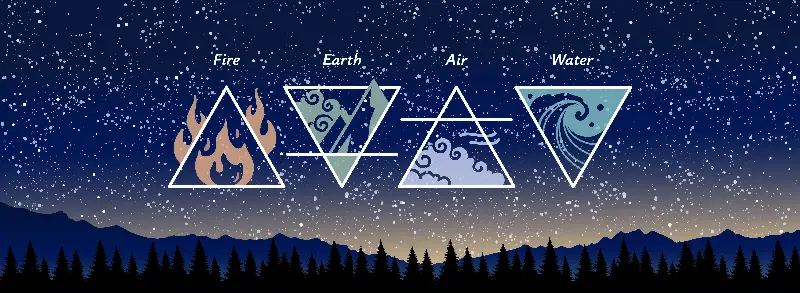
- Fire Signs (Aries, Leo, Sagittarius): Known for passion, energy, and leadership.
- Earth Signs (Taurus, Virgo, Capricorn): Valued for stability, practicality, and hard work.
- Air Signs (Gemini, Libra, Aquarius): Defined by intellect, communication, and social connection.
- Water Signs (Cancer, Scorpio, Pisces): Celebrated for intuition, emotion, and depth.
There’s a communal thrill in celebrating Leo season, dreading retrograde together, or rolling your eyes at the shared chaos of a "Gemini-Sagittarius" friendship. In a world that sometimes feels fragmented, these cosmic connections foster a sense of belonging.
The Emotional Allure Of The Zodiac
Beyond social bonding, astrology offers profound emotional comfort, especially during turbulent times. The zodiac can serve as both a mirror and a map, reflecting current dilemmas while hinting at possible solutions. It invites us to pause, reflect, and search for patterns amid the chaos of daily life.
The appeal is not lost on mental health experts, who observe that reading horoscopes can trigger introspection and mindfulness. By engaging with the zodiac, people are prompted to consider their:
- Emotional Boundaries: Knowing when to pull back.
- Core Needs: Understanding what drives their happiness.
- Future Aspirations: Visualizing goals through a cosmic lens.
It’s perhaps no coincidence that the astrologic revival has bloomed alongside the self-care movement. Both encourage regular check-ins with one’s emotions, cultivating a gentler approach to navigating life’s ups and downs. During moments when the future feels daunting, the idea that “the stars have a plan” offers a grounding sense of hope.
Science, Skepticism, And The Power Of Storytelling
Astrology occupies a curious place in society—a crossroads between skepticism and enchantment. Modern science points out that star-sign readings aren’t supported by empirical evidence. Yet, psychology suggests humans have always sought meaning in patterns, stories, and symbols.
Astrology endures because it taps into a deep-seated human tendency for narrative. Each zodiac sign, with its myths and motifs, offers a personal story—a mini-mythology for living. Rather than predicting the future with Newtonian precision, modern astrology provides frameworks that inspire empathy. For many, the specific accuracy of a horoscope is less important than the insights and self-reflection it prompts.
