


Wombats are perhaps one of Australia's most beloved and enigmatic marsupials, captivating hearts with their distinctive waddle and cube-shaped droppings. These nocturnal creatures are a quintessential emblem of Australia's unique wildlife, and yet, they remain somewhat of a mystery to many. Let's burrow into the fascinating world of wombats and unearth some of the unusual and endearing traits that make these animals so special.
Uncovering the Wombat's Burrowing Lifestyle
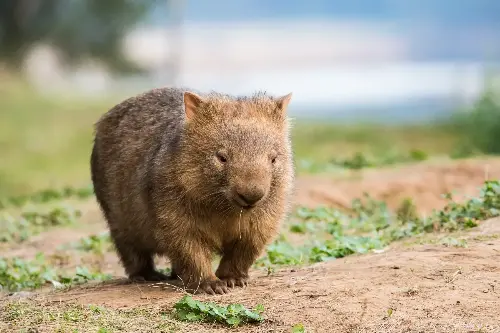
Wombats are the architects of the animal kingdom, famous for their elaborate burrowing abilities. They live underground in networks of tunnels and chambers, which they dig with their robust claws and powerful legs. These burrows are not just a safe haven from predators but also provide wombats with a controlled climate environment, as the temperature within these subterranean homes remains relatively constant, offering relief from the sweltering heat and bitter cold of the Australian climate.
The Unique Physiology of Wombats
At first glance, wombats may appear as cuddly as teddy bears, but their bodies are a marvel of evolutionary design. Their posterior is encased in a tough, bony plate, which they use as a defensive mechanism against predators. When threatened, a wombat dives into a tunnel, blockading the entrance with its reinforced rear. The hard behind can also serve as a weapon, with the potential to crush skulls of unwary predators.
Another peculiar feature of the wombat is its digestive system. Wombats boast an unusually slow metabolism, taking around 14 days to complete digestion, which conserves water and allows them to thrive in arid environments. Their slow metabolism also contributes to their distinctive cube-shaped faeces. This unique shape prevents their droppings from rolling away, enabling them to mark their territory effectively and communicate with other wombats.
Social Behaviour and Communication
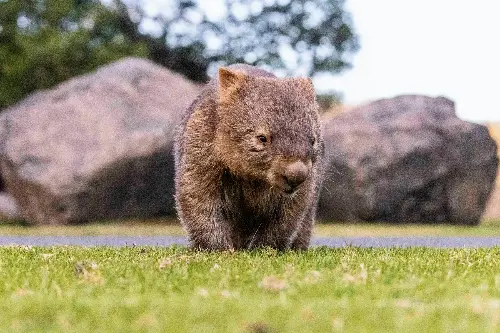
Contrary to what one might expect from such solitary-seeming animals, wombats do possess complex social structures. They communicate through a variety of vocalisations, ranging from low grunts to high-pitched squeals, and even use their teeth to make a chattering noise as a sign of annoyance or aggression. Scent marking is also a critical aspect of their communication, used to establish their presence and ensure that their intricate burrows are respected by others.
Conservation Efforts and Threats to Survival
Unfortunately, the delightfully quirky wombat is not without its threats. Habitat destruction, disease, and competition with invasive species like rabbits and livestock pose severe challenges. The most heartbreaking of these is the spread of mange, a skin disease caused by parasitic mites, which can lead to a painful and debilitating death for affected wombats.
Conservation groups and researchers are working tirelessly to protect these animals. Efforts include the development of burrow flaps that administer a one-time treatment for mange as wombats enter or exit their homes, the protection of habitat, and promoting sustainable land management practices.
A Glimpse into Wombat Reproduction and Development
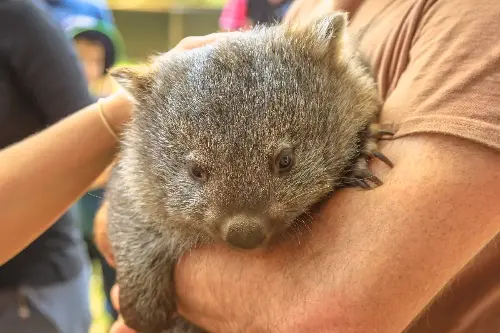
Wombats reproduce rather slowly, with females giving birth to a single joey once every two years. After birth, the underdeveloped joey crawls into its mother's pouch, clinging to life on one of four teats. In the safety of the pouch, the joey grows and develops over six months before emerging to explore the world outside. It remains by the mother's side for nearly a year thereafter, gaining the skills required for an independent life.
The Future of Wombat Research
Wombats continue to intrigue scientists and researchers with their secretive nocturnal behaviours and unique physiological traits. Ongoing research is vital in understanding these remarkable animals better and ensuring their survival in the wild. Projects that delve into their ecological impact, responses to climate change, and ways to mitigate human-wildlife conflict are crucial in safeguarding wombats for generations to come.
In conclusion, wombats are more than just an adorable face; they are symbols of biodiversity and reservoirs of ecological knowledge. As we delve deeper into their mysterious underground lives, we realise how vital these creatures are to the Australian ecosystem and our understanding of evolution and adaptation. It is only through awareness, research, and conservation that we can continue to marvel at the idiosyncrasies of these lovable Aussie icons and ensure they dig through the soils of the Outback for many years to come.