


Encapsulating the essence of Cornwall in a dish, the Cornish pasty has long been the stalwart of British comfort food, its crimped edges and hearty filling a familiar sight across bakery windows. To truly appreciate this culinary icon, one must delve into its robust history, steeped in the Cornish mining heritage. The pasty was the perfect meal for miners – its thick crust enabled them to hold it with dirty hands while eating the rest, and its wholesome insides provided the much-needed sustenance for a laborious day.
The Anatomy of a Classic
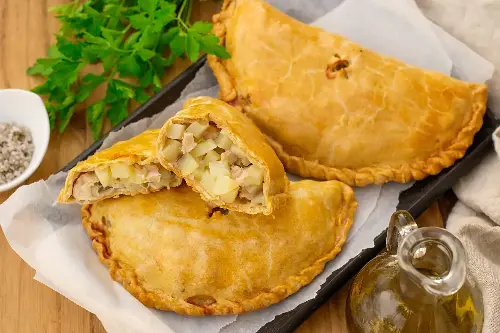
The traditional Cornish pasty is a marvel of simplicity and sustenance. It comprises chunks of beef, swede (also known as rutabaga or yellow turnip), potato, and onion, seasoned with salt and pepper, all wrapped in a shortcrust pastry that bakes into a golden hue. The distinctive 'D' shape and side crimp are non-negotiables, for they are as much a part of the pasty's identity as its ingredients. A genuine Cornish pasty's flavour is robust, filling, and unmistakably rural – a taste of Cornwall's heartland.
Unlocking the Secret: Making Your Own
Creating a Cornish pasty at home is both a homage to tradition and a journey in flavour. It might seem like a magical concoction born in the ovens of Cornish grandmothers, but with the right technique and ingredients, this favourite can easily be brought to life in your kitchen.
Firstly, sourcing quality ingredients is key. Opt for a cut of beef that's rich in flavour, like skirt steak, and ensure your vegetables are fresh. The pastry, often the most intimidating part of the process, simply requires patience and a light touch. If you're not inclined to make pastry from scratch, store-bought shortcrust can be a time-saving alternative without significant compromise on taste.
The Perfect Pastry
To get started, you'll need a good shortcrust pastry. Traditional recipes call for a ratio of one part fat (a mix of butter and lard for the authentic taste) to two parts flour, with just enough cold water to bring the dough together. The process involves cutting the fat through the flour until it resembles breadcrumbs, then adding cold water to form a dough.
Once the dough is rested and rolled, it should be cut into rounds — typically, about 20 cm in diameter. For the filling, cubes of steak, swede, potato and onion are the mainstays. Season well, then assemble by placing the filling on one side, leaving a margin at the edge.
The Art of Crimping
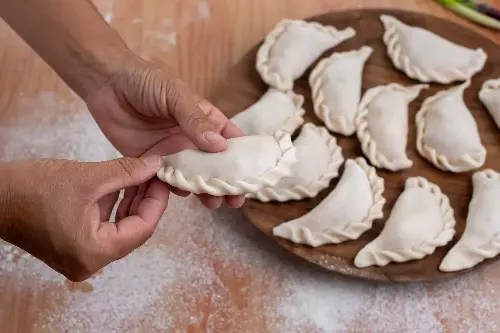
Crimping can be an art form and is vital for sealing in the flavours. After placing the filling on one side of the pastry circle, fold the other side over to create a semi-circle shape, and crimp the edges to seal it, starting at one corner and working your way around. A good crimp ensures that none of the precious filling escapes during baking. This also creates the classic pasty shape that is so iconic today.
Baking to Perfection
When it comes to baking, each pasty needs its space on the baking sheet to achieve an even golden-brown finish. Brushing the pasty with an egg or milk wash will give it that appetising gloss. Then it's a matter of baking at a moderately high temperature — around 200°C (or 180°C for fan-assisted ovens) — for about 45 minutes or until golden.
Serving Suggestions
The beauty of the Cornish pasty lies in its versatility. It can be savoured hot straight out of the oven or enjoyed cold as a hearty snack on the go. In Cornwall, a pasty is a meal in itself, but if you are looking to turn it into a more substantial affair, pair it with a green salad or a serving of steamed vegetables to balance the richness.
A Treasure Not Just For the Cornish
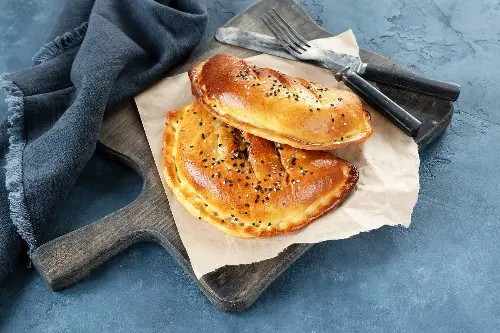
While the Cornish pasty enjoys a protected status that stipulates it must be prepared in Cornwall to bear the name officially, the recipe itself belongs to the world. Home cooks and professional chefs alike celebrate this dish in various renditions, adhering to the spirit, if not the strictest definition, of this beloved British comfort food.
In conclusion, the art of making a Cornish pasty is an indulgence in tradition, flavour, and the comforting embrace of home cooking. It's a testament to British culinary history that continues to delight taste buds around the globe. With a bit of practice and a passion for good food, anyone can unlock the secret to making this comforting British favourite at home. Whether you're a seasoned chef or a curious cook, the Cornish pasty is a recipe that's well worth adding to your repertoire for a taste of comfort and tradition.