


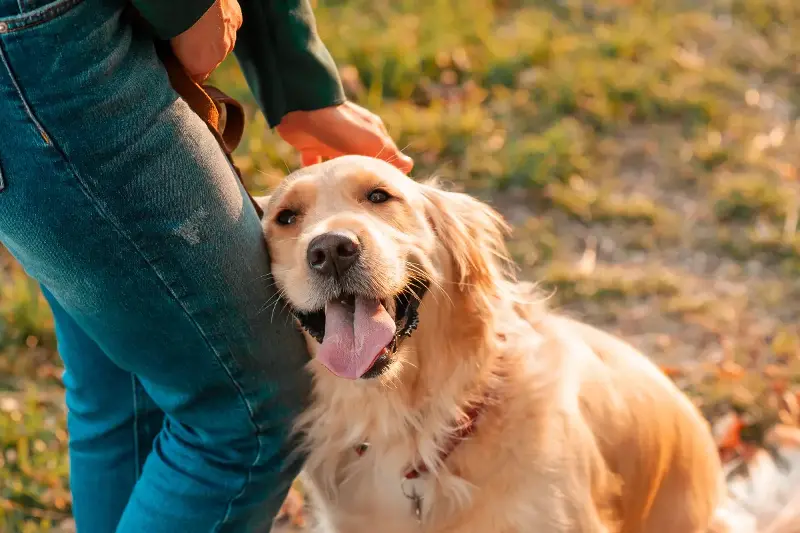
There’s a secret world of communication happening right under our noses—and it’s all in the tail wags, ear flicks, and big, soulful eyes of our canine companions. Decoding your dog’s hidden emotions goes far beyond understanding when it’s time to feed them or take them out.
A closer look at your dog’s body language can strengthen your bond, enrich training, and keep your pup happier. So what are our dogs really telling us, and how can we become fluent in their secret language?
THE TAIL TELLS A NUANCED STORY
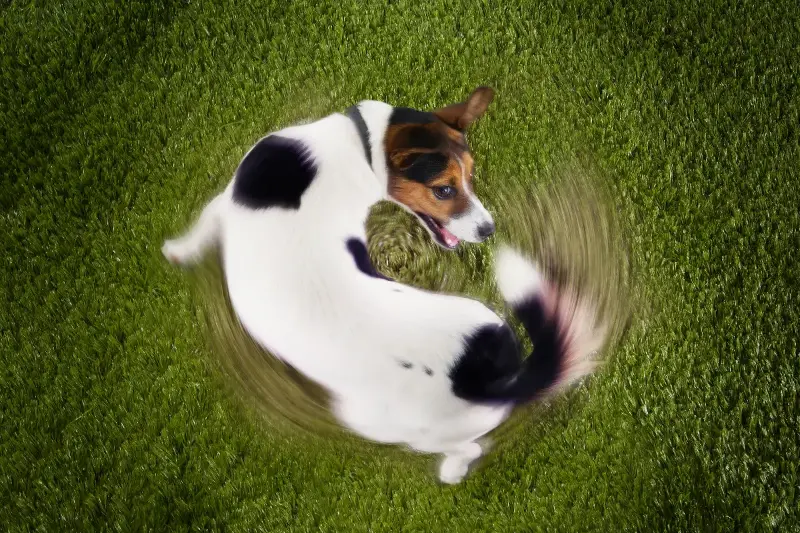
It’s tempting to think of a wagging tail as an unmistakable sign of joy, but the truth is more detailed. Dogs use their tails much like we use our facial expressions, communicating a rich range of feelings:
- High and fast wag: Usually spells pure happiness or joyful anticipation.
- Stiff and slow wag: Signals high alertness, focus, or mild curiosity.
- Low or tucked tail: Typically indicates a need for comfort, reassurance, or dynamic submission.
Interestingly, researchers have found that the direction of a dog’s tail wag matters too. A rightward wag has been linked to positive, relaxed feelings, while a leftward wag can signal minor anxiety or uncertainty.
EAR POSITIONS: RADAR FOR EMOTIONS
Ears are excellent emotion indicators. Naturally perky or floppy, a dog’s ears adjust instantly depending on their mood and surroundings.
Forward-facing ears mean your dog is alert, curious, and ready to play or explore. Conversely, pulled-back ears—especially when smoothed flat against the head—are classic signals of a desire to please, mild nervousness, or a need for reassurance. For breeds with floppy ears, watch the very base of the ear to catch these subtle, telling movements.
EYES: WINDOWS TO THE CANINE SOUL
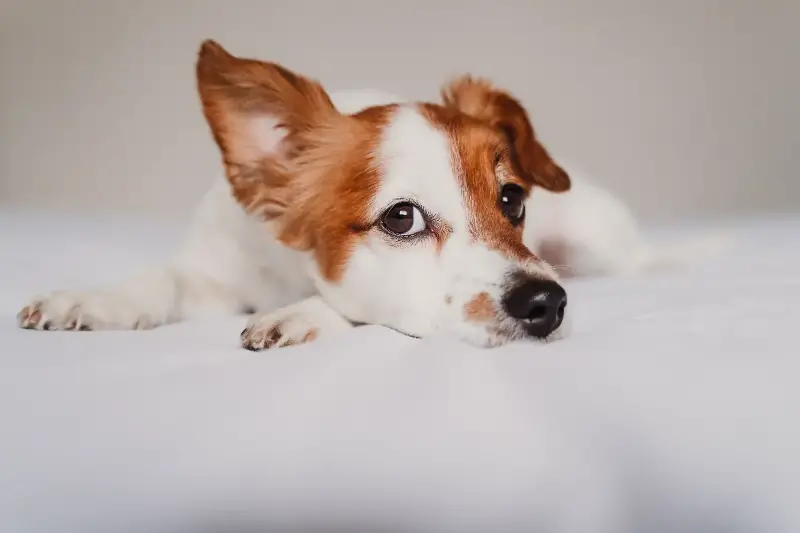
When dogs make eye contact with us, they are seeking a genuine connection. Soft, round eyes mean trust and comfort—think of those long, loving gazes that seem almost human.
A hard, direct stare can signal protective instincts over their favorite toys or territory. Breaking eye contact, meanwhile, is simply a sign of deference or polite manners in the dog world. It is a gentle reminder to always respect your pup's comfort zone during close interactions.

MOUTH MOVEMENTS AND REASSURANCE
A relaxed, open mouth—sometimes looking like a friendly, droopy grin—is a clear sign your dog is perfectly content.
Panting is normal during play or after exercise, but dogs also use unique facial gestures to calm themselves or signal they mean no harm:
- Lip licking: A subtle appeasement gesture showing they want to keep the peace.
- Yawning: Used in social settings to release slight tension or communicate a relaxed attitude.
POSTURE, PLAY BOWS, AND BONDING
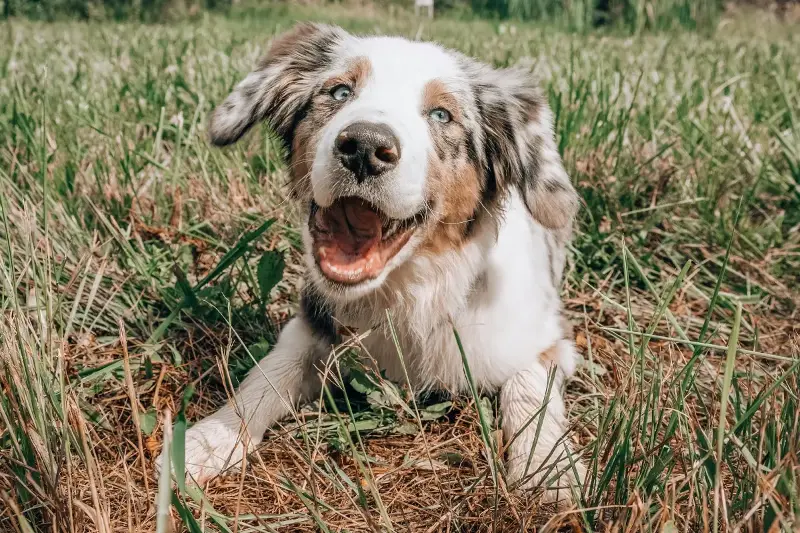
The way your dog holds their body speaks volumes. A bouncy stance, wagging tail, and classic play bow—front legs stretched forward, rear high—invite pure fun and games. This universally recognized move is often seen in dog parks when a good romp is about to begin.
Interpreting canine body language is less about analyzing single gestures and more about reading the overall context. Spending quality time observing your dog helps you decode their signals accurately, allowing you to meet their emotional needs easily and build a lifetime of mutual trust.