


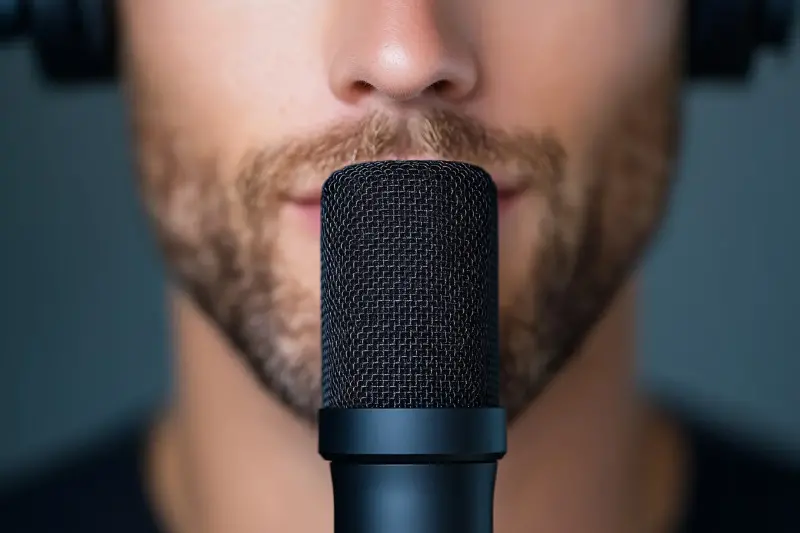
It might seem strange at first: millions of people around the globe are whispering, tapping, and crinkling their way to internet stardom. From gentle voices to the sound of sizzling bacon, ASMR—or autonomous sensory meridian response—is popping up everywhere, and it’s changing the way we think about entertainment and relaxation online. But what exactly is behind this phenomenon, and why is it taking over the internet? Let’s dive into the softly spoken, tingle-inducing world of ASMR and see what’s causing all the buzz.
Understanding the Tingle: What Is ASMR?
At its core, ASMR is a pleasant, tingling sensation that typically starts on the scalp and travels down the back of the neck and spine. Not everyone experiences it, but for those who do, certain sounds or sights—like whispering, tapping, brushing, or even just gentle hand movements—can trigger deeply relaxing tingles and waves of calmness. The sensation has often been described as “brain tingles” and is usually accompanied by feelings of relaxation and well-being.
The term “ASMR” started making the rounds in 2010, originating in online forums and quickly gaining a cult following. In those early days, it was something of a mystery—scientists are still unpicking exactly why it happens—but one thing was clear: people were eager to share triggers, techniques, and the joy of discovering new sensations. As technology and bandwidth improved, video creators began experimenting with new formats, delivering soothing content that quickly attracted billions of views on YouTube, TikTok, and Instagram.
The Science and Psychology Behind the Craze
While ASMR content might seem odd to the uninitiated, science suggests there’s something very real happening. Research has shown that people who experience ASMR have reduced heart rates and increased feelings of calm, especially when exposed to particular triggers like gentle tapping, crinkling, or slow, deliberate speech. Some studies even suggest that ASMR videos can reduce anxiety, help with insomnia, and improve mood.
Psychologists believe that the intimacy of ASMR content taps into a basic human need for social bonding and reassurance. The close-up whispers and personal attention often mimic comforting childhood moments like being read to or having your hair brushed. This might explain why ASMR has become a go-to tool for people looking to de-stress after a long day, boost their mood, or get a good night’s sleep.
Why ASMR Is So Addictive—and Entertaining
One of the most striking things about ASMR is the sheer variety of triggers and styles on offer. There are ASMR artists (or ASMRtists, as fans call them) focusing on everything from the click of computer keyboards to the rustle of potato chip bags, creating experiences as diverse as spa roleplays, virtual haircuts, and seasonal soundscapes. The ever-expanding universe of ASMR content ensures there’s something for everyone, and viewers love the sense of novelty and personal attention.
On top of that, ASMR taps into a unique form of entertainment: the content isn’t just enjoyable, it’s beneficial. In a world where streaming is saturated with noise, action, and fast-paced excitement, ASMR offers viewers something quieter, slower, and more mindful. Rather than demanding attention, it invites users to relax and tune into their senses.
Another reason for the genre’s explosive growth is its accessibility. All you need to enjoy ASMR is a pair of headphones and an open mind—no expensive subscriptions or complicated setups necessary. This low barrier to entry has accelerated its reach, especially during the global pandemic, when many people turned to digital comforts to cope with stress and isolation.
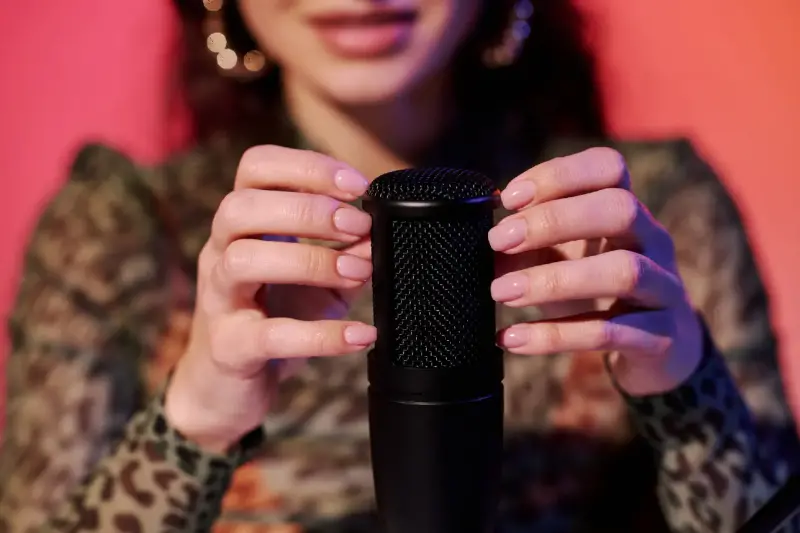
The Role of Social Media and Technology
ASMR would not be nearly as popular without the unique capabilities of internet video platforms and social media. High-quality microphones, binaural recording techniques, and HD video allow ASMRtists to create immersive, almost three-dimensional soundscapes. TikTok, YouTube Shorts, and Instagram Reels, with their quick loops and snackable content, have made ASMR even more accessible to younger generations.
Huge communities have sprung up around favorite creators, with fans sharing and remixing ASMR content and even attending live streams for real-time relaxation and connection. The interaction between creators and fans fosters a unique bond, making viewers feel seen and cared for—a powerful antidote to the loneliness of modern digital life.
Breaking the Stigma: From Quirk to Mainstream
It wasn’t always cool to admit you watched ASMR videos to fall asleep, but things have changed. As celebrities like Cardi B and Margot Robbie have dabbled in the trend, and brands like IKEA and Dove incorporated ASMR aesthetics into their ads, the genre has gained credibility and widespread appeal. Mainstream media outlets now report on ASMR’s health benefits, and researchers are exploring its therapeutic possibilities for anxiety and sleep disorders.
What was once a hush-hush internet subculture is now a respected and growing part of the entertainment world. ASMR has found its place not just as a quirky internet fad but as a genuine tool for comfort, mental well-being, and even creativity.
So whether you’re seeking that perfect tingle, a restful night’s sleep, or just a moment of peace in a noisy world, the ASMR revolution has something for you. And with its ever-growing array of sounds, styles, and personalities, it’s no wonder ASMR is taking over the internet—one whisper, tap, and soothing smile at a time.