


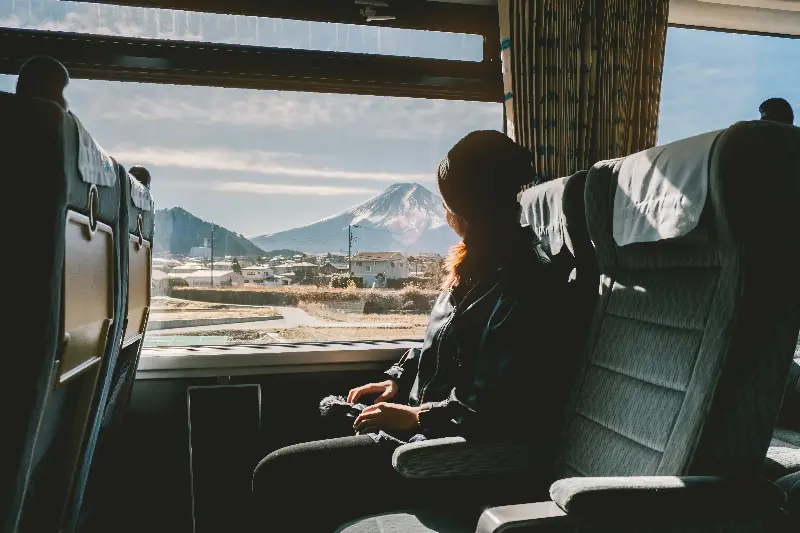
From the moment a train rolls out of a quiet station, its wheels clattering over the rails, it offers more than just a ride—it opens a window into the soul of a country. While high-speed rail might blur the scenery into a grey streak of anonymity, slow trains hold a rare, meditative power. With every rhythmic chug and gentle sway, they invite passengers to move beyond the compartment’s walls and truly connect, both with their immediate surroundings and the strangers sitting across from them.
JOURNEYING THROUGH LAYERS OF LOCAL LIFE
Slow trains, often dismissed by the modern traveler for their leisurely pace, offer a front-row seat to the complex layers of everyday life. These are the details missed from the window of an express or the sterile cabin of a jet.
- In India: The iconic “toy trains” wind through the emerald hills of Darjeeling and Shimla, passing tea plantations where women in vibrant saris harvest leaves.
- In Eastern Europe: Overnight trains trundle through forgotten villages, their compartments filled with the soft hum of local dialects and the scent of the passing countryside.
- In Southeast Asia: Open windows bring in a chorus of sensory experiences—the smell of fresh street food from platform vendors and the cooling breeze of the tropics.
On these tracks, travelers become more than mere tourists; they become witnesses to the unscripted theater of local life. It is a world where vendors hop on and off with baskets of snacks, and aging conductors tell stories handed down through generations of railwaymen.
CONNECTIONS BEYOND THE RAILS
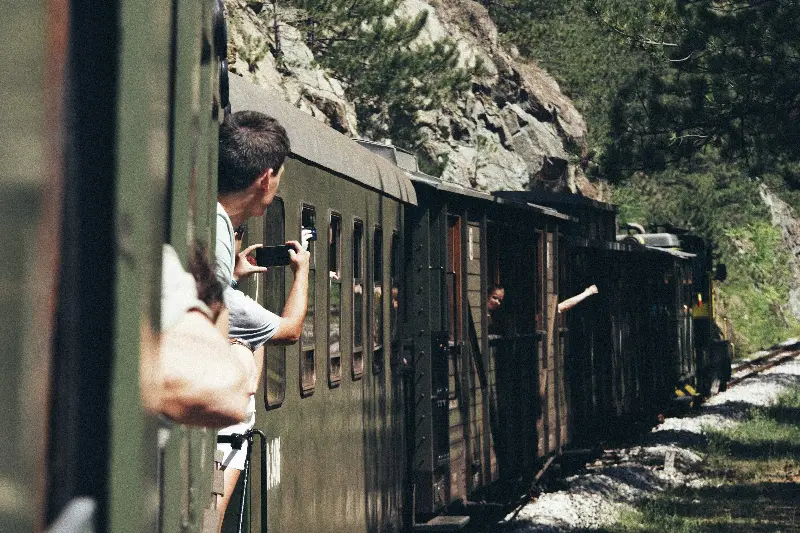
For the seasoned wanderer, a slow train journey is rarely about the destination. Instead, it is about the human tapestry woven along the way. When a journey takes hours instead of minutes, compartments become temporary homes, and the act of sharing a confined space naturally breaks down social barriers.
- Language Exchange: A young student might trade slang tips with a curious foreigner.
- Shared Wisdom: A grandmother may offer warm advice or share bittersweet stories of her youth over a shared thermos of tea.
- Cultural Staples: In Japan, the “local-sen” trains connect remote mountain towns where residents often share their homemade bento lunches with fellow passengers.
The slow pace allows conversation to flow at a natural rhythm, letting friendships spark in the time it takes to climb a mountain pass.
SCENERY AS A MOVING TAPESTRY
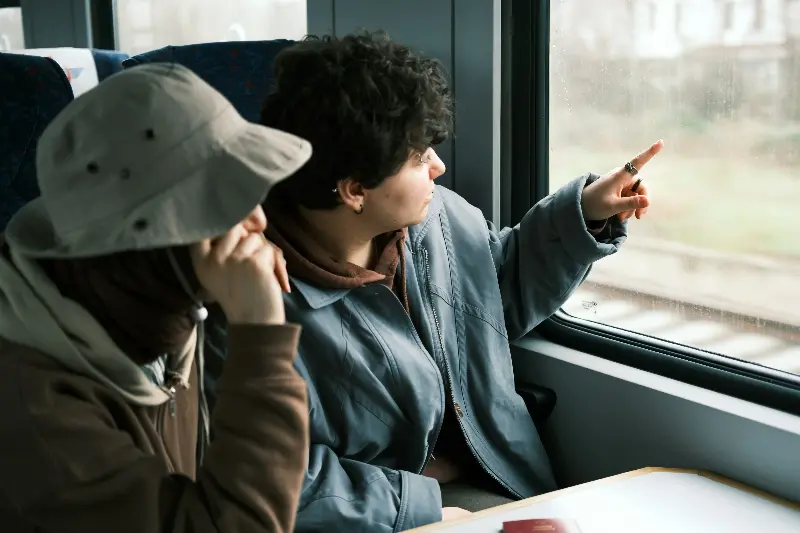
Unlike planes that offer only occasional peeks at a blanket of clouds, slow trains stitch together a panoramic tapestry of scenery. Because you aren’t speeding through the geography, there is actual time to process the transition of the earth.
- Norway’s Flåm Railway: Towering waterfalls and deep green valleys unveil themselves with such deliberate splendor that even the most hurried traveler is compelled to pause.
- Southern Spain: The Al Andalus luxury train meanders past olive groves where the golden evening light flattens distant mountains into painted backdrops.
- Vietnam: You can watch the morning fog cling to rice paddies with a clarity that high-speed rail simply cannot provide.
Each moment becomes a mental postcard, carefully drawn and never rushed. Whether it is the sun dazzling off Swiss lakes or children waving from dusty crossings in Kenya, the slow train honors the landscape rather than merely consuming it.
CULTURAL INSIGHTS IN EVERY CARRIAGE
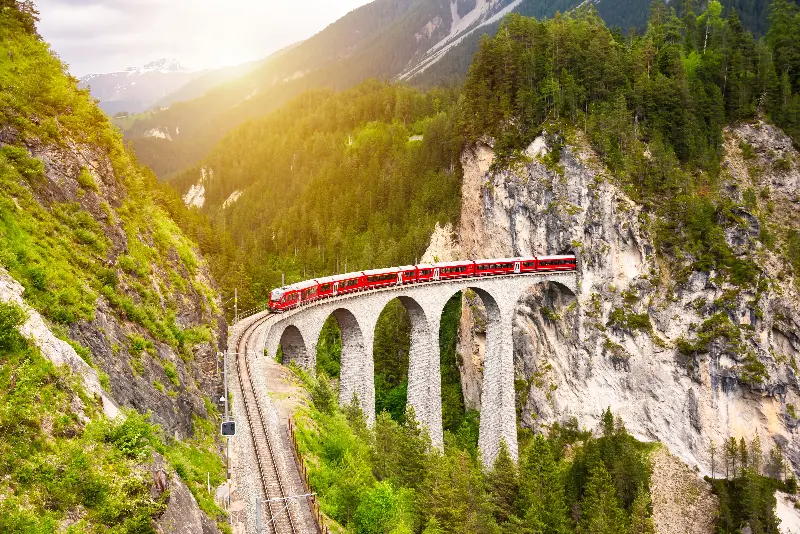
Train carriages are microcosms of the culture they traverse. The décor, the food, and even the unspoken etiquette reflect deep-seated local customs. On Italy’s regional trains, expect lively chatter and hand gestures punctuating every sentence. Conversely, on South Africa’s Blue Train, silver service and panoramic windows turn the journey into a rolling celebration of luxury.
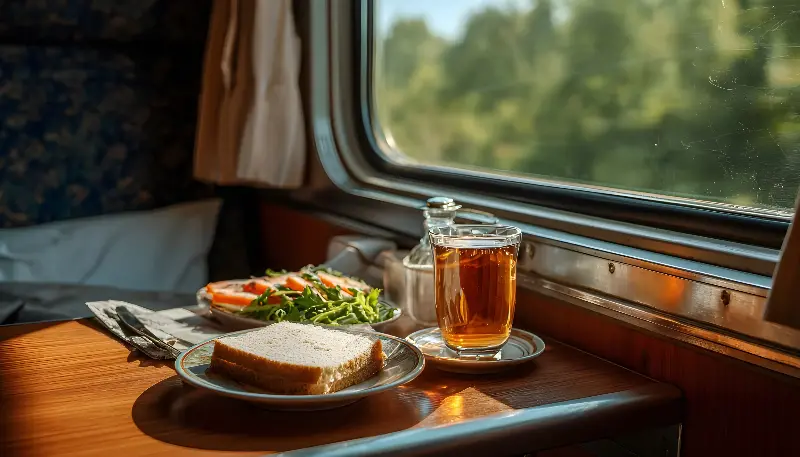
Even the rituals are distinct: the Russian samovar dispensing endless cups of tea, or the communal sharing of rice and dal on a packed Indian express. These traditions add layers of richness, letting travelers immerse themselves in the rhythms of a culture rather than just skimming its surface.
REDISCOVERING THE SIMPLE JOY OF TRAVEL
Perhaps the greatest secret of the slow train is how it rekindles a sense of genuine curiosity. In a world obsessed with efficiency, there is a profound freedom in surrendering to a timetable that is entirely out of your hands. It is a gentle reminder that it is okay to slow down, look out the window, and rediscover fascination in the ordinary.
With smartphones tucked away and books exchanged between seats, these moments remind us that travel is less about point A to point B and more about the vibrant space in between. The delays, the laughter, and the unexpected changes in scenery are not obstacles—they are the substance of the journey. Choosing the slow train doesn’t just reveal the landscape; it reveals the heartbeat of the land.