


As temperatures rise, you might be eager to enjoy the sunny outdoors with your furry companion. However, hot weather brings unique challenges for dogs, sometimes putting their health and happiness at risk. Dogs can overheat much faster than humans due to their thick fur and unique physiology.
Understanding how to safeguard your pet involves a mindful approach to every walk, playtime, and grooming session. It’s more than just providing a bowl of water; it’s about recognizing that your dog experiences the heat differently than you do.
WHY DOGS STRUGGLE IN THE HEAT
Canines don’t sweat the way we do. While humans have sweat glands all over their bodies, dogs primarily rely on panting and a small number of sweat glands located in their paw pads. This makes them significantly less efficient at cooling down, especially when humidity is high.
High-Risk Factors Include:
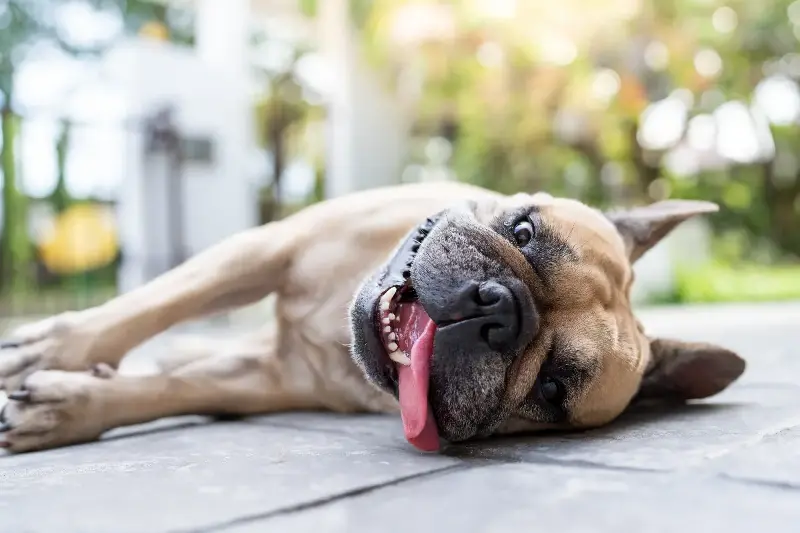
- Brachycephalic Breeds: Dogs with shorter snouts, such as Pugs, Bulldogs, and Boxers, are more vulnerable because their respiratory systems make panting less effective.
- Age and Weight: Puppies, senior dogs, and overweight pets struggle more to regulate their internal temperature.
- Coat Type: While thick fur provides some insulation, it can also trap heat if the dog is overexerted.
SIGNS AND DANGERS OF OVERHEATING
Heatstroke is a medical emergency. Knowing the warning signs can be a lifesaver for your pet. If your dog exhibits the following symptoms, they may be experiencing heat stress:
- Excessive, frantic panting and drooling.
- Red or very pale gums.
- Uncoordinated movements or lethargy.
- Vomiting or diarrhea.
Beyond heatstroke, summer brings hidden hazards like hot pavement that can scald sensitive paws, and an increase in pests like fleas, ticks, and mosquitoes that transmit diseases.
STAYING HYDRATED AND COOL: WATER WISDOM
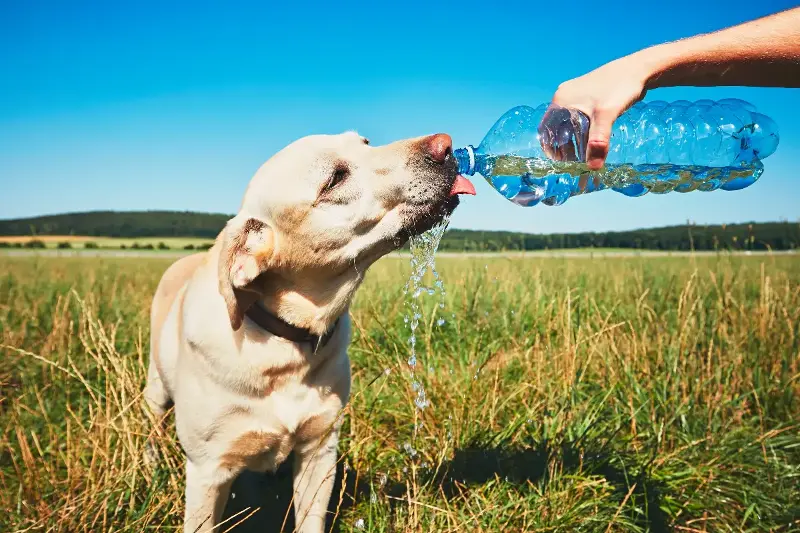
Hydration is your dog’s best defense. Ensure your pup has access to fresh, cool water at all times.
- On the Go: Always carry a portable water bottle or a collapsible bowl during walks.
- Frozen Treats: Try making "doggy ice cubes" using low-sodium broth or pet-safe fruits (like blueberries or watermelon).
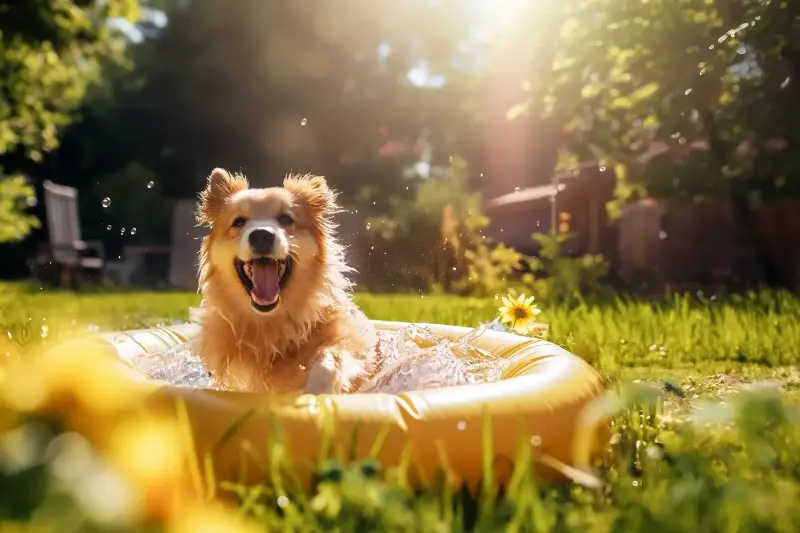
- Water Play: A simple kiddie pool or sprinkler session in the backyard is a fantastic way to lower their body temperature while providing entertainment. Note: Always supervise dogs around water, as not all breeds are natural swimmers.
PAW PROTECTION: HIDDEN HAZARDS ON THE ROAD
When the sun is out, surfaces like asphalt, concrete, and sand can reach temperatures high enough to cause second-degree burns.
The Seven-Second Rule: Place the back of your hand on the pavement. If you can't hold it there for seven seconds, it is too hot for your dog’s paws.
- Timing: Limit walks to early mornings or late evenings when the ground has cooled.
- Protection: Consider dog booties for city pets who must navigate hot sidewalks.
- Car Safety: Never leave your dog in a parked vehicle. Even with windows cracked, the interior temperature can reach 40°C (104°F) in minutes on a warm day.
KEEPING YOUR PUP COMFORTABLE INDOORS
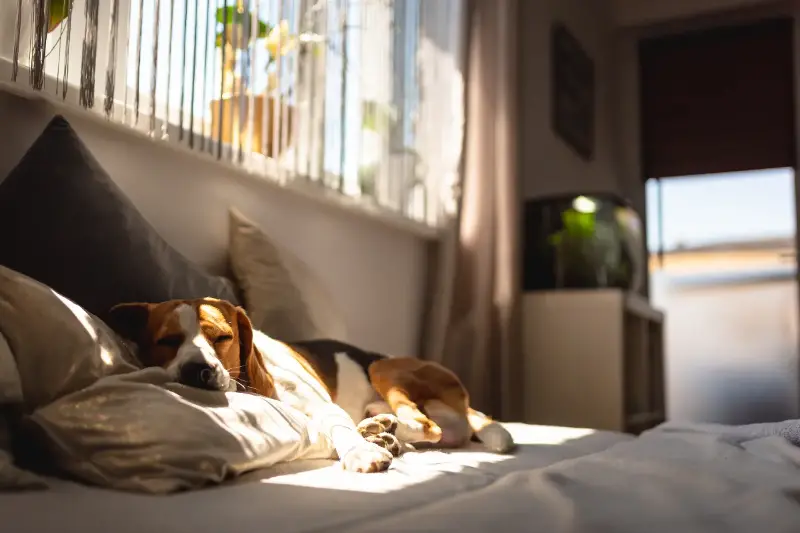
Inside the home, provide your dog with a cool, shaded sanctuary.
- Surface Matters: Allow them to lie on tile or hardwood floors rather than carpet.
- Cooling Mats: Pressure-activated cooling mats can provide much-needed relief.
- Grooming: Regular brushing is essential to remove loose undercoat fur and promote air circulation. Crucial Tip: Avoid shaving double-coated breeds (like Huskies or Golden Retrievers); their fur actually helps insulate them against the heat and protects their skin from sunburn.
FINAL THOUGHTS: SUMMER SAFETY EQUALS SUMMER JOY
A little planning is all it takes to make the warm months safe and enjoyable. By staying informed about risks—from dehydration to paw burns—you can spend less time worrying and more time making memories. With some care, creativity, and clever cooling strategies, you and your best friend can savor the sunny days ahead together.