


There’s no doubt that meat is a staple on many dining tables, offering not only rich flavour but also a good source of protein, iron, and other essential nutrients. If you’re trying to stay on top of your calorie intake, though, knowing exactly what you’re getting from different cuts of meat can be a game-changer. Whether you’re keen on building muscle, shedding a few kilos, or simply curious about your food, understanding the caloric value of your favourite meats might make your weekly meal planning more interesting—and easier!
How do calories in meat add up?

Calories in meat come mostly from protein and fat. The leanness of a cut, the animal it comes from, and even the way it’s cooked can transform its caloric value. While a chicken breast might seem like a safe bet for low calories, a marbled steak or hearty pork belly might offer a different story. Even small changes like removing skin or choosing grilling over frying can noticeably alter what ends up on your plate.
It’s also good to know that the calorie content typically refers to uncooked weight. Cooking methods matter: roasting, grilling, or frying can both add and subtract from the final tally depending on whether fat is added or lost. So, it’s wise to factor this in as you measure your portions.
Chicken: the lean option with a catch

Chicken is often celebrated as a diet-friendly meat, but its calorie count can vary. Skinless, boneless chicken breast takes the trophy for being one of the leanest choices. A standard 100-gram serving offers around 110 calories, most of which come from protein rather than fat. As you move to the thigh or drumstick, however, calories sneak up due to the higher fat content – about 130-150 calories per 100 grams for the thigh.
Keep in mind, the real game-changer is the skin. Leaving chicken skin on can add up to 40 calories per portion, and that’s before you consider any breading or sauce. So next time you’re eyeing up that golden roast chicken, remember: a quick trim could make a noticeable difference!
Beef: from lean fillet to hearty ribeye
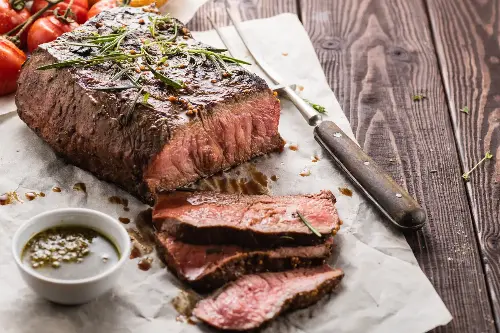
Beef is well-loved for its robust taste and versatility, but it covers a wide range of calorie values. A lean fillet steak has about 130 calories per 100 grams, whereas fattier cuts like ribeye might bring you closer to 200 calories per 100 grams, thanks to beautiful marbling (and let’s admit, extra juiciness!).
Minced beef is another interesting example. Regular 20% fat mince clocks in at about 250 calories per 100 grams, while extra-lean beef mince hovers closer to 120-130 calories. If burgers are on your mind, that’s worth considering as well. And don’t forget that cooking methods—like draining or frying—change the totals.
Pork: versatile and full of surprises

Pork is often somewhere in the middle between chicken and beef. Pork tenderloin is a particularly lean choice, with about 120 calories per 100 grams, which is even lower than some lamb and beef options. Move to pork belly or ribs, however, and the calorie count surges, with the belly offering upward of 500 calories per 100-gram portion—most of it fat.
If you’re a fan of bacon, it’s good to know that a rasher of streaky bacon holds about 40 calories, but this varies with thickness and fat content. Lean back bacon trims closer to 25-30 calories per rasher. Sausages can be a wild card: smaller, lean sausages can be under 100 calories each, while traditional pork sausages often pack in 150-200.
Lamb: rich, flavourful, and calorie-dense

Lamb’s unique flavour comes with a higher fat content, making it one of the more calorie-dense meats. A roast leg of lamb without the fat has around 170 calories per 100 grams, but fattier cuts like shoulder or breast can soar above 250 calories per 100 grams.
If you love lamb chops, remember that the fat left on the chop will have a big impact. Trim some excess fat, and you could save up to 30 calories per serving—a small change with a big effect over the weeks.
Wild game and exotic meats: an adventurous alternative

Game meats like venison, pheasant, and rabbit are surprisingly lean. For instance, venison has only about 120 calories per 100 grams and is lower in fat than most red meats. Similarly, rabbit comes in at about 130 calories, while pheasant provides around 105 calories, comparable to chicken breast. These meats can provide variety and a nutritional boost to your diet, particularly for those looking to keep calories in check while enjoying bold flavours.
Slicing through the numbers: practical tips for calorie control
If you want to keep a lid on your calorie intake, consider these points. Always check whether calorie values refer to raw or cooked weight. Trimming visible fat and opting for skinless cuts can make a big difference. Grilling, baking or roasting, rather than frying or breading, can also help you control hidden calories.
Remember, sauces, oils, and side dishes quickly add up too! Even if you’re vigilant with your meat portions, creamy or sugary accompaniments can double your meal’s calories in no time.
Understanding exactly what’s on your plate is not just empowering—it can also free you up to enjoy hearty meals while still making educated choices for your health and lifestyle. With a little awareness and a dash of curiosity, counting calories can be simpler—and far more interesting—than you might have thought.