


Red meat: delicious, juicy, and—for decades—plastered in health warnings. But what exactly does science say about its risks, and is there a “better” meat for your plate? Separating fact from fiction in the ever-sizzling debate, let’s carve into the latest research, cultural nuances, and what your doctor might recommend for a healthier lifestyle.
Red Meat on Trial: Understanding the Real Risks
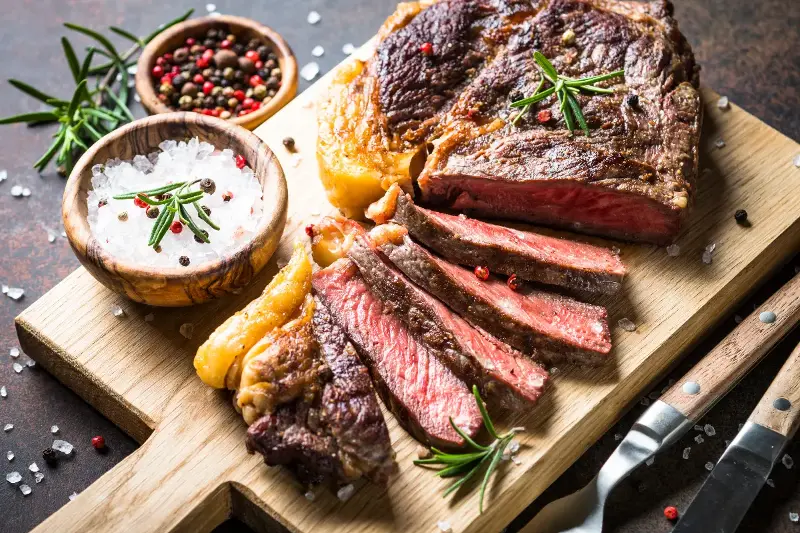
Red meat, including beef, lamb, and pork, is a big part of many diets, often treasured during celebrations and family feasts. Yet, numerous headlines link it to heart disease, cancer, and other health scares. Is red meat truly as risky as it sounds?
Scientific studies have found some associations between high consumption of processed red meats—think bacon, sausages, and cured deli meats—and increased risks of colorectal cancer and cardiovascular issues. The World Health Organisation classifies processed meat as a Group 1 carcinogen, meaning there is strong evidence it can cause cancer, mainly colorectal. Unprocessed red meat is classified as "probably carcinogenic," based on more limited evidence.
However, it’s important to distinguish between processed and fresh red meats. Many studies suggest it's large quantities and frequent intake of processed meats, rather than an occasional steak or pork chop, that drive the greatest risks. The method of cooking matters, too; grilling, barbecuing, or pan-frying at high temperatures can produce harmful compounds called heterocyclic amines and polycyclic aromatic hydrocarbons, which may also impact cancer risk.
Interestingly, some research counters the alarmist tone. In healthy adults, moderate, unprocessed red meat consumption—especially as part of a balanced diet rich in vegetables, fibre, and whole grains—carries less clear risk than once thought. Genetics, lifestyle, and overall eating patterns play a significant role in how dietary choices impact our health.
Discovering the Doctor-Approved Meat: Is There a Clear Winner?

If red meat is controversial, is there a safer protein source that ticks all the boxes? While there’s no “ultimate, universal” choice, many experts highlight poultry, especially chicken, as a smart, widely available option. Chicken is lower in saturated fats compared to most cuts of red meat and is a staple in traditional Southeast Asian cuisine. Studies show that replacing red meat with poultry may reduce the risk of heart disease and certain cancers.
Fish is another top contender, packed with omega-3 fatty acids, which support heart and brain health. Doctors often recommend fatty fish like salmon, tuna, and mackerel for their unique health benefits. Even lean cuts of pork, when unprocessed and prepared with care, fit into a healthy diet—lean pork tenderloin can be just as low in fat as skinless chicken breast.
For an even healthier twist, plant-based “meats” such as tofu, tempeh, and seitan are increasingly on the menu across Southeast Asia, offering protein without the cholesterol or saturated fat found in animal products. These choices appeal not just for health, but for affordability and sustainability too.
Making Meat Work: Science-Based Tips for Smart Choices

No need to give meat the chop entirely—science emphasises making informed, balanced decisions. The “doctor-approved” approach boils down to three key points: moderation, variety, and preparation.
Moderation means enjoying red meat now and then, instead of everyday. A healthy adult might aim for no more than 350-500 grams (cooked weight) of red meat per week, and limit processed meats as much as possible. Variety is all about mixing different protein sources—think chicken curry one day, grilled fish another, and a vegetarian stir fry next. This not only reduces health risks, but brings culinary adventure to your table.
Preparation counts, too: opt for boiling, steaming, or baking over high-heat grilling or deep-frying. Trimming visible fats and pairing meat with plenty of fresh vegetables and whole grains helps balance your meal. Traditional Southeast Asian dishes like Vietnamese pho, Thai larb gai (chicken salad), and Balinese pepes ikan (spiced fish steamed in banana leaves) offer great templates for nutritious, tasty meals.
Culture, Choice, and the Future of Eating Meat

Culturally, meat is more than just food; it’s hospitality, tradition, and a source of celebration. In Southeast Asia, meat is often shared with family and guests, never the sole star. Science agrees with tradition here: smaller portions, shared dishes, and a mix of animal and plant proteins help keep meals in the healthy zone.
As big trends like flexitarianism and plant-forward diets grow, more restaurants and home cooks in the region are getting inventive with local vegetables, legumes, and sustainable seafood. This is good news for your palate, your health, and for the environment.
So, while red meat comes with some real risks, there’s no need to turn your back on your favourite dishes. Modern research, culinary creativity, and cultural wisdom—plus a trusted doctor’s advice—help you make choices that are both delicious and health-smart. With a little balance and curiosity, your next meal can be both a joy and a smart step for long-term wellness.