


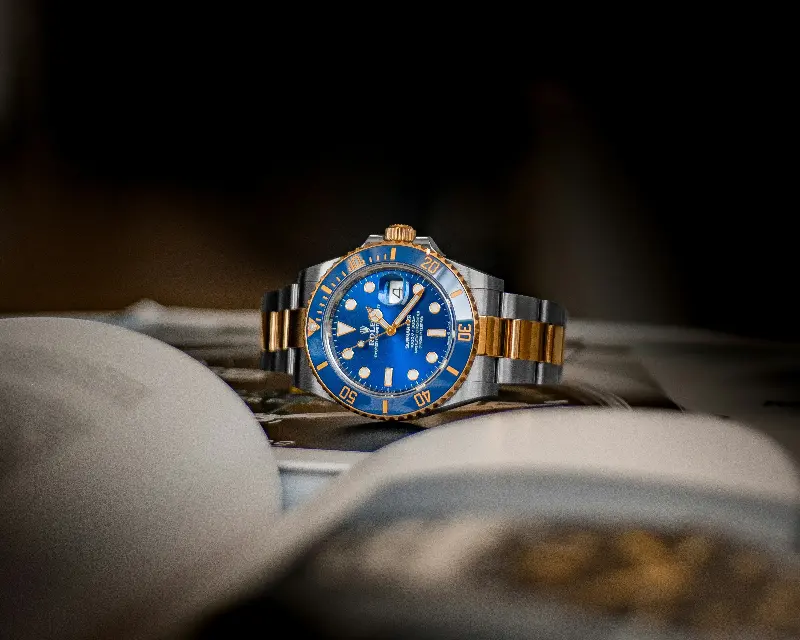
Luxury watches have long held a special allure, not only for their glittering appeal or ability to convey status but also for the fascinating stories hidden behind their creation. Beyond their hefty price tags, these extraordinary timepieces offer a blend of beauty, history, and precision that sets them apart from the ordinary. In the world of fashion, a luxury watch is more than an accessory—it is a masterpiece of craftsmanship that carries a legacy spanning generations.
The Art of Watchmaking and Its Secret Language
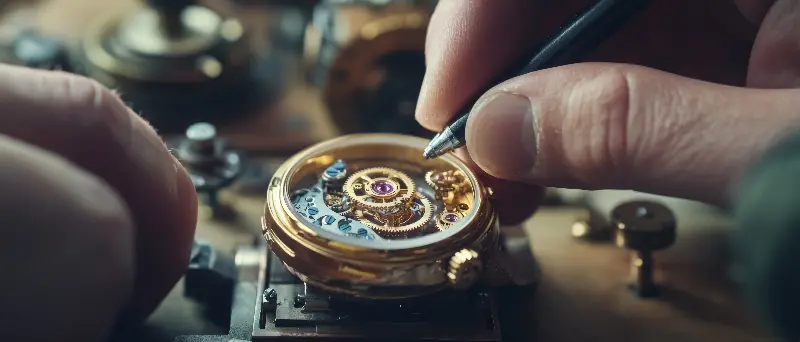
No other piece of fashion combines engineering and aesthetics quite like a luxury watch. Hidden behind the gleaming face is a microcosm of gears, springs, and jewels working in perfect unison—a world known as haute horlogerie.
- The Beating Heart: Inside each watch lies the movement. Whether it is a manual movement (requiring hand-winding) or an automatic movement (powered by the wearer's kinetic energy), these mechanisms are hand-assembled under intense magnification.
- The Rarity Factor: Prestigious ateliers may produce only a few hundred pieces a year. A single watch can take dozens—or even hundreds—of hours to complete.
- Signatures of Excellence: Master watchmakers leave "secret codes" in their work, such as Geneva stripes (Cotes de Genève) or perlage (circular graining) on the internal plates. These finishes are purely aesthetic, meant only for the eyes of the watchmaker or the discerning collector.
Materials That Define Magnificence
The materials chosen for luxury watches are a story in themselves. Top-tier watchmakers blur the line between economics and artistry by sourcing rare and exotic elements.
- Precious Metals: Beyond standard gold, watchmakers use Platinum for its density and Tantalum for its unique blue-gray hue and incredible resistance to corrosion.
- The Cosmos on Your Wrist: Some manufacturers use Meteorite dials, slicing fragments of ancient asteroids into thin discs. Because of the unique Widmanstätten patterns formed in space over millions of years, no two dials are ever identical.
- The Complexity of "Complications": In watchmaking, a "complication" is any feature beyond simple timekeeping.
- Perpetual Calendars: Automatically account for leap years.
- Minute Repeaters: Chime the time using tiny internal hammers.
- Tourbillons: A rotating cage designed to counteract the effects of gravity on the movement's accuracy.
From Royal Courts to Red Carpets: The Social Story of Status
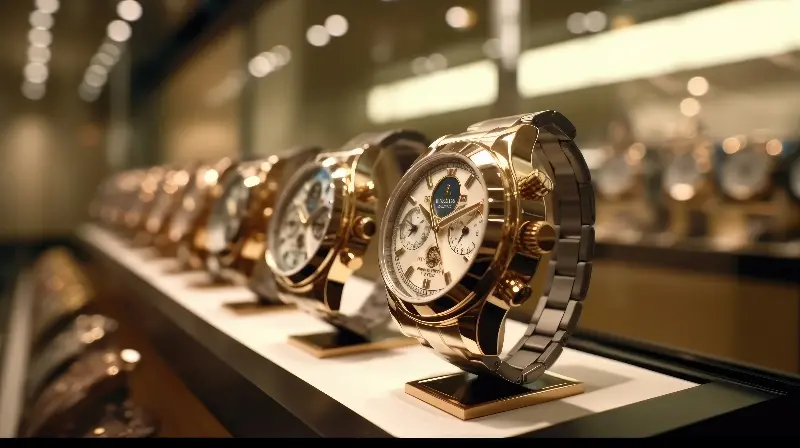
Throughout history, watches have functioned as the ultimate social signifier. In the 18th century, a pocket watch was an essential tool for European aristocracy; today, that function has evolved into a global symbol of taste and success.
- The Seduction of Scarcity: Unlike mass-market fashion, luxury watches thrive on limited availability. Some iconic models have waiting lists that span several years, making the acquisition a badge of patience and privilege.
- Provenance and History: The stories of iconic owners add layers of value. Whether it is Paul Newman’s Rolex Daytona or the delicate timepieces worn by Queen Elizabeth II, these objects accompany their wearers through historic milestones.
Beauty Beyond Function: Why We Still Adore Mechanical Marvels
In a digital landscape where our phones provide atomic-clock accuracy, the popularity of mechanical watches continues to grow. Why? Because they offer a tangible connection to human ingenuity.
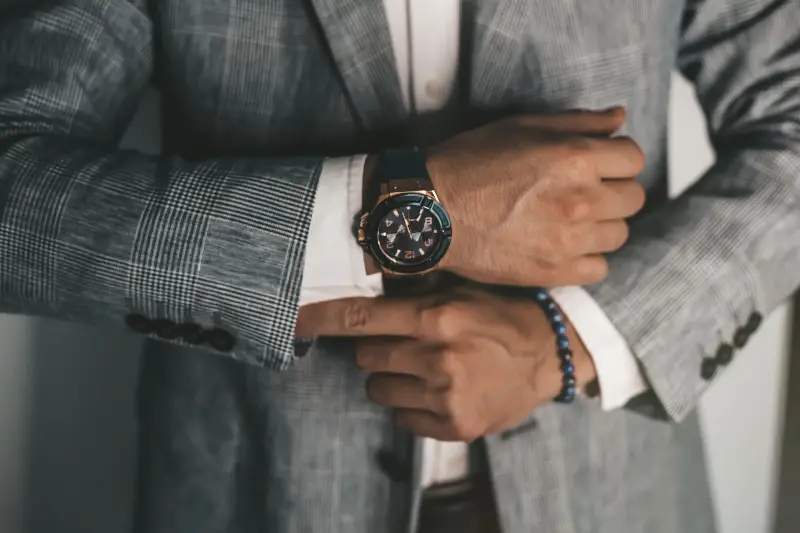
- The Multisensory Experience: There is a unique satisfaction in the weight of high-grade steel, the smooth "sweep" of a second hand (rather than the "tick" of a quartz watch), and the faint mechanical whir that signifies a living machine.
- A Living Heirloom: Unlike a smartphone that becomes obsolete in three years, a well-maintained luxury watch is designed to outlast its owner, intended to be handed down as a cherished heirloom.
Within every luxury watch are stories of dedication and a relentless pursuit of perfection. This unique blend of history, beauty, and craftsmanship defines their enduring value, making them treasures to admire, collect, and pass down through the ages.