


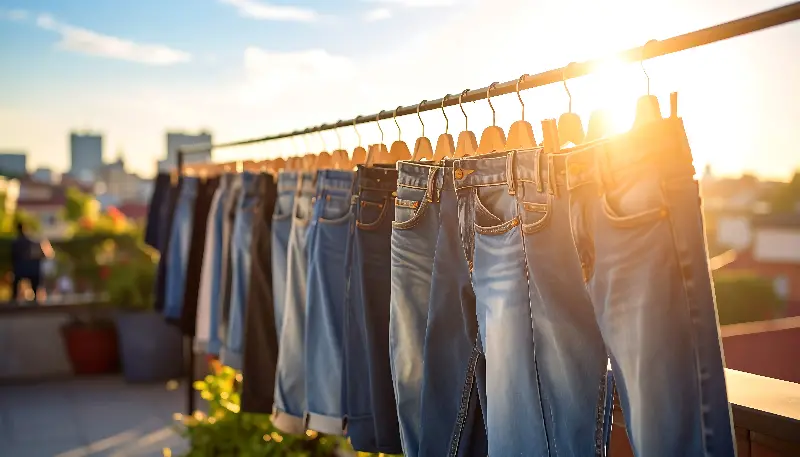
Picture your favorite pair of jeans. Maybe they’re perfectly faded, worn in just right, and hugging in all the right places. Whether you’re a fan of classic high-waisted cuts, slim-fit black denim, or that quirky vintage pair you scored at a flea market, there’s a universal challenge every enthusiast faces: longevity. The answer to keeping them pristine might surprise you—the best thing you can do for your denim is to keep them out of the washing machine.
THE CASE FOR WASHING LESS
It might seem counterintuitive in a world where we’re used to tossing clothes in the wash after every wear. However, denim is a unique beast. Each wash cycle chips away at its soul. Here is why frequent laundering is the enemy of quality denim:
- Dye Preservation: The indigo dye that gives jeans their depth fades rapidly with agitation, leading to a "washed out" look.
- Fiber Integrity: Heavy cycles weaken the cotton fibers, eventually causing premature thinning and tears.
- The Fit Factor: Denim is designed to mold to your body. Frequent washing causes the fabric to contract and stretch unpredictably, leading to sagging knees or an awkward fit.
Experts agree: washing too often shortens a garment's life. Chip Bergh, CEO of Levi Strauss & Co., famously admitted he hadn’t washed his personal pair in over a year. While that sounds extreme, remember that denim was originally engineered for miners and railroad workers—it can handle a lot more than a trip to the grocery store.
THE SCIENCE BEHIND "DIRTY" DENIM
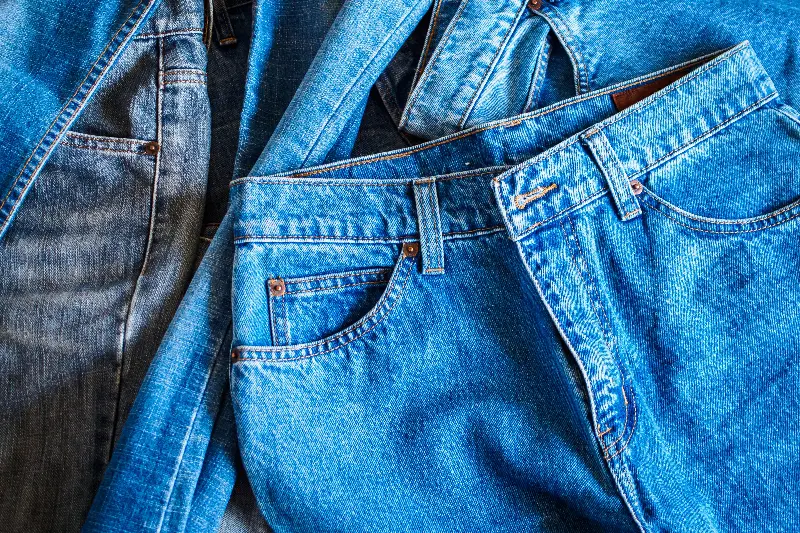
What really happens when you skip the laundry? You might fear that your jeans become a breeding ground for bacteria, but science suggests otherwise. A 2011 study at the University of Alberta tested a pair of jeans worn for over 15 months without a single wash.
The results were shocking: bacteria levels were virtually identical to those found on a pair washed just two weeks prior. Unless you are spilling food or rolling in mud, your jeans aren't the germ magnets you might think. The washing process is an aggressive mechanical action; it doesn't just remove dirt, it physically strips the indigo and compromises the tightly woven cotton fibers.

HOW OFTEN SHOULD YOU REALLY WASH?
The "ideal" frequency depends on your lifestyle, but here are some industry benchmarks to follow:
- The Standard: Aim for every 10 to 12 wears as a baseline.
- The Purist: Wait months, or until the denim begins to feel "tacky" or smells.
- The Emergency: Only wash when there is visible mud, salt, or heavy spills.
If you are dealing with minor issues, try these "laundry-free" fixes:
- Spot Cleaning: Use a damp cloth and a drop of mild soap for small stains.
- Airing Out: Hang your jeans outside or near an open window on a dry day to neutralize odors.
- The Freezer Trick: Many aficionados pop their jeans in the freezer to kill odor-causing bacteria. While its effectiveness is debated, it is a great way to freshen up without water.
PRESERVING THE PERFECT FADE AND SILHOUETTE
One of the most iconic aspects of denim is the aging process. That perfect fade around the knees, the honeycomb creases at the back of the legs, and the subtle whiskering at the hips tell your personal story.
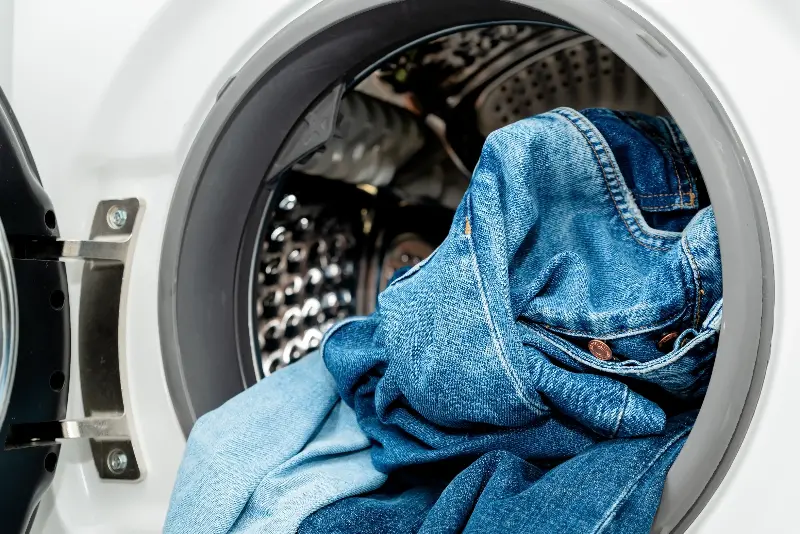
When you over-wash, you bleach out these unique marks, turning a garment with character into a bland, uniform piece of fabric. By minimizing washes, you allow your body to "sculpt" the denim. The fabric retains its natural stiffness where needed and softens exactly where you move, creating a custom fit that no factory-distressed pair can replicate.

MASTERING THE DENIM MAINTENANCE ROUTINE
When the day finally comes that a wash is unavoidable, follow these steps to minimize damage:
- Turn Inside Out: This locks in the color and protects the exterior surface from the agitator.
- Cold Water Only: Heat is the primary cause of shrinkage and dye loss.
- Gentle Cycle: Use the shortest, most delicate setting available.
- Air Dry: Never, ever put high-quality denim in the dryer. Hang them to dry to preserve the shape.
Caring for denim is an exercise in restraint and creativity. By resisting the urge to over-launder, you are investing in the longevity of fashion’s most timeless staple. It’s better for your style, your wallet, and—most importantly—the planet.