


Imagine a world where your car not only gets you from A to B, but also thinks ahead—protecting you, your passengers, and everyone on the road. Welcome to the future of driving, where cutting-edge safety features are revolutionising what it means to be behind the wheel. From bustling city streets in London to the rugged highways of Australia, modern vehicles are reshaping the very landscape of road safety.
The Rise of Intelligent Safety Technologies
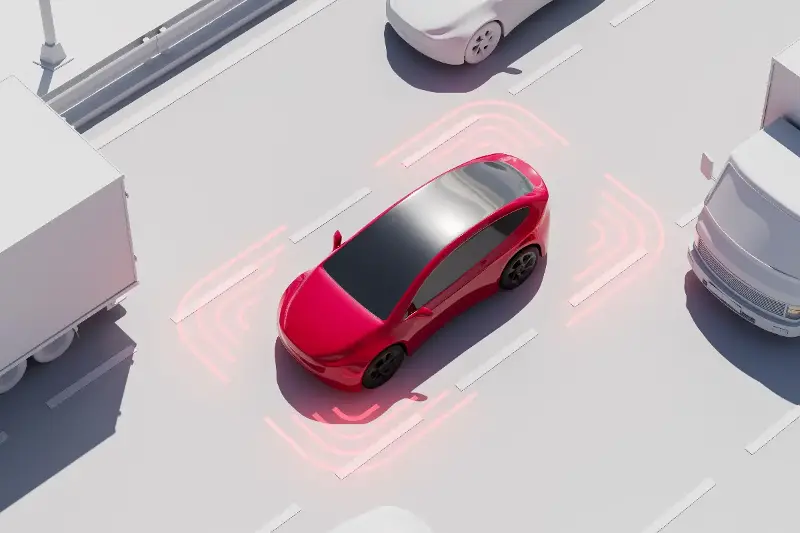
Gone are the days when airbags and anti-lock brakes were at the forefront of automotive safety. The latest generation of cars is packed with intelligent sensors and software, designed to react quicker than any human could. Advanced Driver-Assistance Systems (ADAS) now come standard in many new vehicles, with features including:
- Automatic Emergency Braking (AEB): Detects obstacles ahead and can activate the brakes to prevent or mitigate collisions.
- Lane Departure Warning & Lane Keeping Assist: Keeps your car centred, reducing accidents due to drifting or fatigue.
- Blind Spot Detection: Alerts drivers to other vehicles, minimising hazardous lane changes.
- Adaptive Cruise Control: Automatically adjusts your speed based on the car in front, making long journeys safer and less tiring.
A recent report by the European Automobile Manufacturers Association shows that vehicles equipped with ADAS have led to a noteworthy drop in rear-end and side-impact crashes across European roads.
Bridging Continents, Saving Lives
The beauty of modern car safety is their universality—technologies designed in Japan or Germany are rapidly adopted in cars sold in Brazil, South Africa, and the UAE. As global standards rise, these features become more accessible, protecting lives irrespective of geography.
Take Volvo’s City Safety, originally developed for Swedish winters, which uses radar and camera systems to detect pedestrians, cyclists, and even large animals. Today, this technology is saving lives from Stockholm to Sydney. Meanwhile, in the United States, over 90% of fatal crashes are due to human error, but researchers credit ADAS with reducing certain crash types by up to 40% when widely deployed.

The Future: Beyond the Driver’s Seat
While self-driving cars may sound like science fiction, semi-autonomous features are already at play on today’s roads. Tesla’s Autopilot and BMW’s Traffic Jam Assist can control steering, acceleration, and braking under certain conditions—yet drivers remain engaged and responsible.
Looking ahead, safety is merging with connectivity. Imagine cars sharing real-time hazard alerts, or automatically calling emergency services after a collision. Five years from now, your vehicle may not just keep you safe, but actively communicate with road infrastructure and other road users to anticipate potential dangers before they’re visible.
The Human Factor: Smarter Cars, Smarter Choices
Ultimately, technology is only as effective as the human behind the wheel. Embracing these features isn’t just about buying a new car—it’s about understanding and leveraging what they offer.
- Read your vehicle's manual and experiment with safety systems in a safe environment.
- Don’t get complacent—ADAS is there to assist, not replace, attentive driving.
- Stay updated: software updates can improve your car’s intelligence overnight.
So, the next time you buckle up, consider not only the power beneath the bonnet but the invisible guardians working tirelessly to keep you and your loved ones safe. As innovations continue to accelerate, how might we, as individual drivers and global citizens, shape this safer, smarter future on our roads?