


In the constellation of culinary achievement, few accolades shine as brightly as the stars awarded by the MICHELIN Guide. These celestial emblems have become symbols of exquisite dining experiences, leading gastronomes on an odyssey of taste that spans the globe. The MICHELIN Guide's star system is steeped in history, and understanding the meaning behind these iconic symbols adds an extra layer of appreciation for the fine dining scene.

The Origins and Evolution of the MICHELIN Guide
The origins of the MICHELIN Guide date back to the early 20th century, initially serving as a tool for motorists in need of information on where to find meals and accommodations during their travels. Over time, the guide evolved its focus towards the quality of restaurants, and in the early 1920s, it introduced a star rating system that has since become its hallmark.
The Star System: One, Two, and Three Stars
A solo star on a restaurant is an indication of "a very good restaurant in its category," where diners can expect dishes prepared to a consistently high standard. It is a nod to the chef's ability to craft outstanding flavours that are well worth a stop on your culinary journey.
Two stars elevate that honour, signifying "excellent cooking, worth a detour." At this level, the experience transcends the everyday, with the cuisine demonstrating skill and care in the selection of ingredients, the harmony of flavours, and the mastery of technique. The MICHELIN Guide's inspectors seek innovative dishes that are refined and inspired when considering a two-star rating.
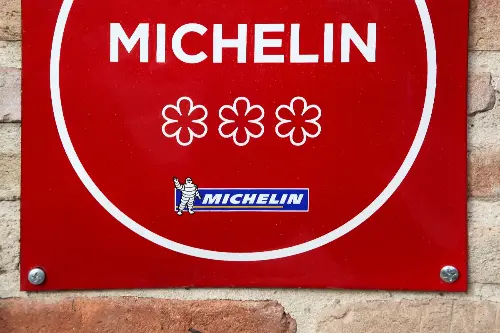
The pinnacle of the MICHELIN star rating is the elusive three stars, indicating "exceptional cuisine, worth a special journey." Here, dining is not merely a part of travel; it is the purpose of travel. With three stars, a restaurant's culinary artistry is in its prime, providing a memorable and deeply impactful dining experience that is unmatched in its field. These institutions have not only a celebrated chef but also a dedicated team that excels in every aspect of hospitality.
Beyond the Stars: Other MICHELIN Symbols
However, the stars tell only part of the story. The MICHELIN Guide also employs other symbols to provide diners with a broader understanding of what to expect. One such example is the Bib Gourmand, characterised by the Michelin Man, Bibendum, licking his lips with glee. The Bib Gourmand is reserved for establishments that offer high-quality meals at a reasonable price. Affectionately known as the inspectors' favourites for value for money, these establishments provide a quality dining experience without the necessity of splurging.
For those searching for a more contemporary and relaxed setting, the MICHELIN Plate denotes just that. Represented by a simple flat plate and cutlery symbol, recipients of the Plate are recognised for having 'fresh ingredients, capably prepared; simply a good meal.' It is an acknowledgment of a pleasurable dining experience that may lack the intricacies of a starred restaurant but still maintains a high standard.
There are additional distinctions, like the Green Star, which highlights restaurants at the forefront of sustainability. These forward-thinking establishments are characterised by their commitment to preserving resources, embracing biodiversity, reducing food waste, and fostering a sustainable future for our planet through culinary practice.
Understanding the MICHELIN Guide: Enhancing the Dining Experience
For the aspiring connoisseurs, familiarising oneself with these symbols adds depth to the dining experience. Now, discovering an establishment with any of the MICHELIN symbols can stir excitement even before the first morsel is savoured. Imagine the anticipation of a “worth a detour” dining experience, the intrigue of a Bib Gourmand's promise of value, or the pride in choosing a Green Star restaurant that aligns with one's environmental ethos.
The Rigorous Assessment Process
Yet what truly makes the MICHELIN Guide an invaluable resource is the rigorousness of its assessment. MICHELIN's anonymous inspectors are seasoned connoisseurs who evaluate establishments based on a multitude of factors, including the quality of ingredients, the mastery of cooking, the harmony of flavours, and consistency over time and across the entire menu.
These inspectors move beyond subjective taste; their appraisal is comprehensive and impartial, ensuring that a restaurant's inclusion in the guide, and the stars it is awarded, is a reflection of excellence and not simply a matter of personal preference. The process is shrouded in secrecy but is known to be incredibly detailed, with only the upper echelons of dining typically surviving its scrutiny to claim a star or more.
Whether you are a culinary enthusiast or planning a special night out, understanding the MICHELIN Guide's symbols can enhance the dining experience manifold. It offers behind-the-scenes insight that allows you to select a restaurant that ticks all your personal preference boxes, perhaps pushing you to explore further afield, beyond your local horizon and into the firmament of fine dining.
In this age where dining has become a multidimensional experience encompassing not only food but also culture, environment, and ethics, the MICHELIN Guide continues to evolve, maintaining its celestial role as the beacon of exemplary culinary excellence. As we navigate through the stars and symbols of the guide, we are reminded that within them lies a universe of flavours waiting to be unravelled and enjoyed. Through these iconic emblems, we are invited to embark on an engaging exploration that stretches beyond the stars, into the very essence of world-class gastronomy.