


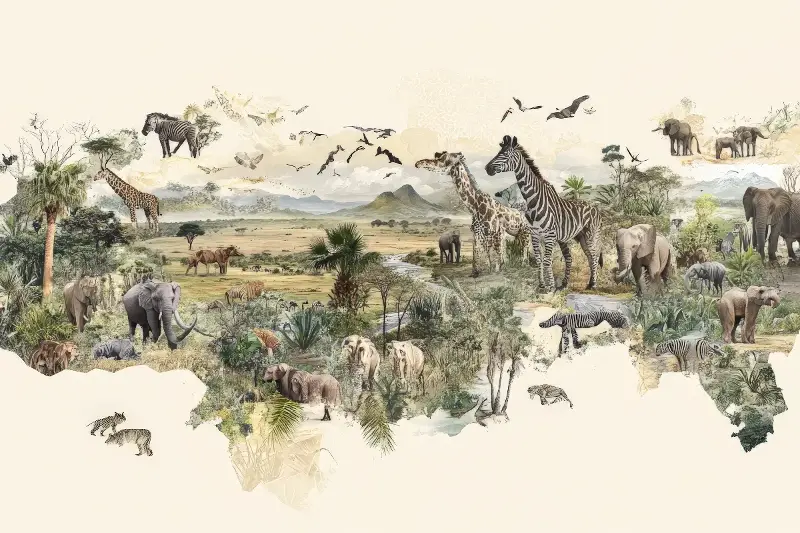
Our planet is filled with extraordinary creatures that challenge our imagination. Some illuminate the dark, others possess transparent bodies, and several thrive in environments that would destroy most life forms. Far from science fiction, these resilient survivors have been shaped by millions of years of natural selection across deep ocean trenches, lush rain forests, arid landscapes, and isolated islands.
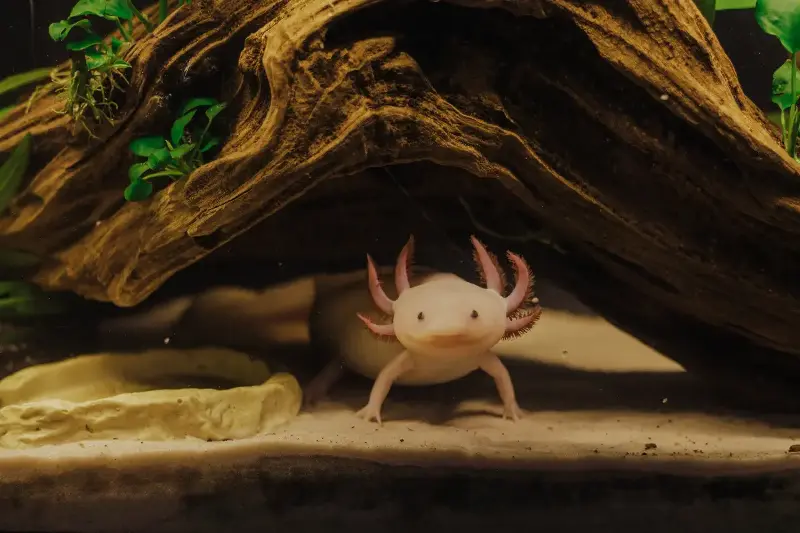
The Axolotl: Nature’s Master of Renewal
The axolotl is an aquatic salamander native to the ancient lake systems of Mexico City, famous for its permanent smile-like expression and feathery external gills. Unlike most amphibians, it maintains its juvenile features and remains fully aquatic throughout its life.
Its most celebrated trait is its unmatched capacity for regeneration:
- Tissue Restoration: Can regrow lost limbs, tails, spinal cord sections, and heart tissue.
- Scientific Inspiration: Closely studied by medical researchers for insights into human tissue repair.
- Conservation Focus: While wild populations face environmental challenges, captive breeding programs preserve these incredible creatures worldwide.
The Glass Frog: A Living Window of Adaptation
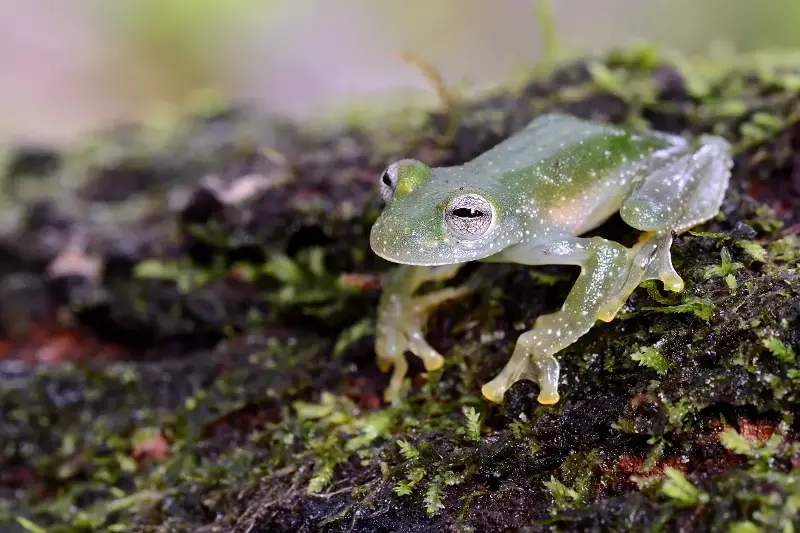
At first glance, the glass frog looks like a bright green tree frog. Turn it over, however, and its body reveals a fascinating biological adaptation. The skin on its underside is completely translucent, offering a clear view of its heart, liver, and digestive system.
Living high in Central and South American rain forests, these frogs utilize their unique skin to blend seamlessly into sunlit leaves:
- Natural Camouflage: Translucent edges break up their physical outline to protect them from forest predators.
- Blood Redirection: Recent discoveries show they can temporarily store red blood cells inside their liver while resting, increasing their transparency.
- Vibrant Habitats: Thrives near rushing mountain streams where humidity supports their delicate skin.
The Star-Nosed Mole: An Underground Tactile Marvel
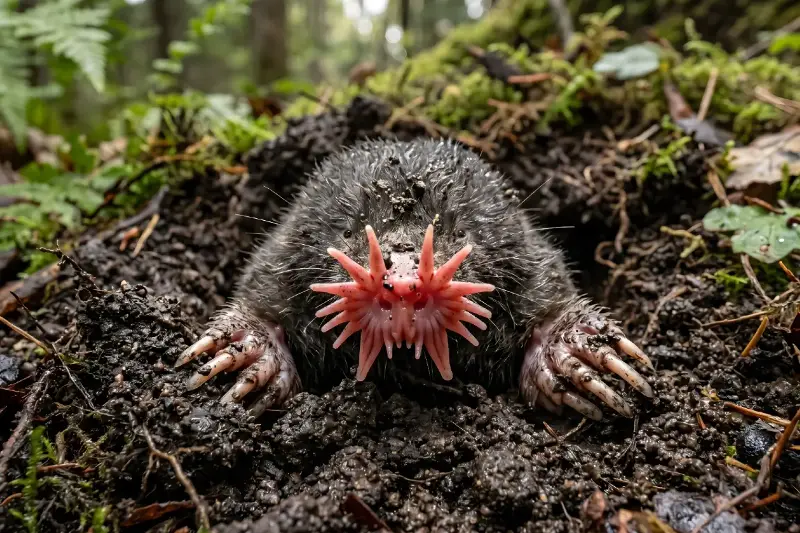
The star-nosed mole features one of the most unusual sensory adaptations in the mammal kingdom. Its snout is encircled by 22 fleshy pink tentacles covered in over 25,000 hyper-sensitive touch receptors.
Navigating the dark, damp soil of eastern North America, this subterranean mammal sets incredible records:
- Rapid Foraging: Identifies and consumes tiny prey in less than a quarter of a second.
- Underwater Scenting: Blows air bubbles onto submerged objects and inhales them to track aquatic scents.
- Subterranean Mastery: Excels at tunneling through wetlands while effortlessly finding food in total darkness.
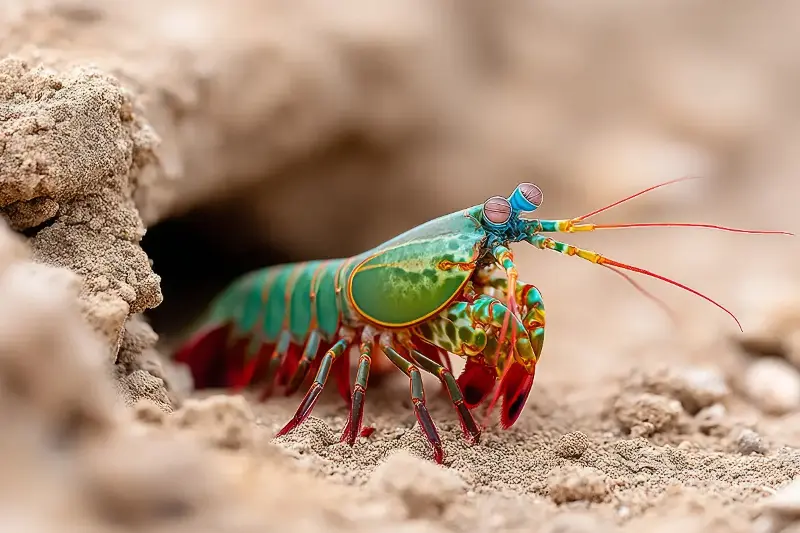
The Mantis Shrimp: A Spectrum of Power and Vision
Neither a mantis nor a true shrimp, this vibrant marine crustacean inhabits warm coastal waters. Equipped with powerful club-like appendages, it is renowned for delivering the fastest strike in the animal kingdom.
Key marvels of the mantis shrimp include:
- Dynamic Strikes: Punches with enough speed to create tiny, glowing low-pressure bubbles underwater.
- Advanced Vision: Features complex eyes capable of perceiving polarized light and a vast spectrum of colors far beyond human sight.
- Visual Wonders: Navigates coral reefs through visual signals that remain completely invisible to other animals.
The Goblin Shark: A Deep-Ocean Living Pioneer
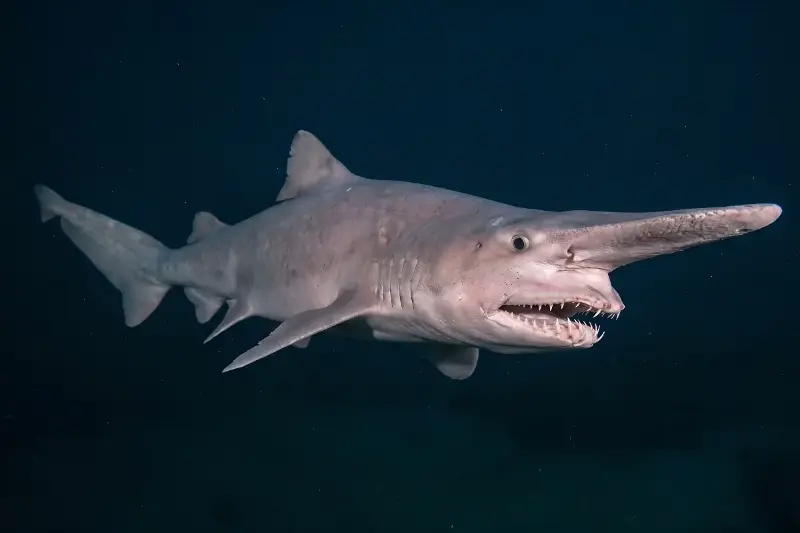
The goblin shark is a fascinating deep-sea creature featuring a flattened snout, pink hue, and remarkable retractable jaws. Tracing its lineage back over 100 million years, it represents a triumph of deep-ocean evolution.
Adapted to life hundreds of meters beneath the surface:
- Electro-Sensory Snout: Detects subtle electrical fields produced by swimming fish and crustaceans.
- Extensible Jaws: Rapidly launches its jaws forward to gently capture food in low-light depths.
- Peaceful Giant: Glides quietly through deep oceanic zones without posing any threat to human divers.
The Leafy Seadragon: The Ocean’s Master of Disguise
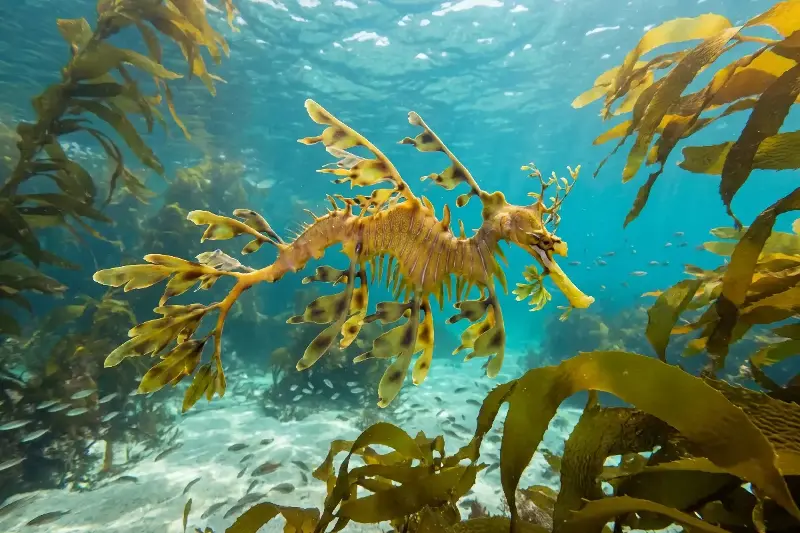
Resembling a floating branch of seaweed, the leafy seadragon is a close relative of the seahorse. Its body is covered in elaborate leaf-like appendages that allow it to drift unnoticed through kelp forests.
Native to the cool coastal waters of southern Australia:
- Effortless Camouflage: Relies on near-invisible fins to drift gracefully with ocean currents.
- Dedicated Parenting: Males carry and protect bright pink eggs on a specialized patch under their tails until hatching.
- Ecosystem Icon: Admired worldwide by ocean conservationists and divers for its peaceful elegance.
The Naked Mole-Rat: An Underground Society of Longevity
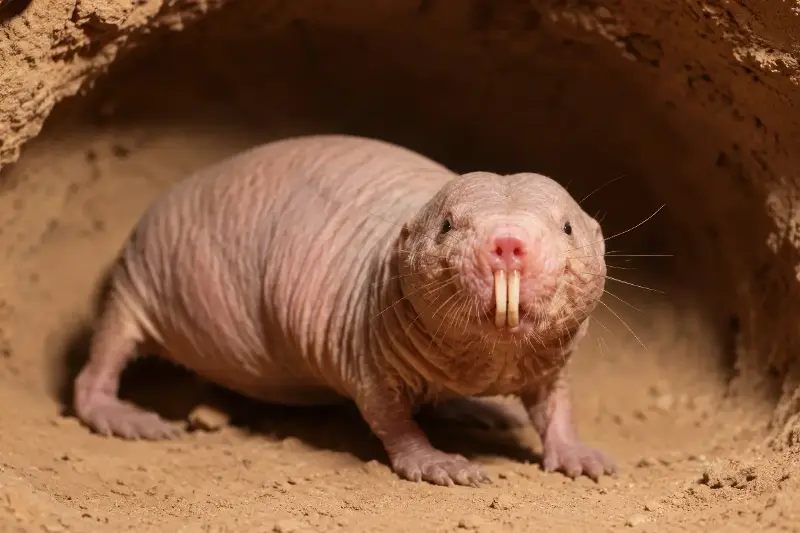
The naked mole-rat is a unique rodent native to East Africa. Living in extensive subterranean networks, these creatures display a highly organized, collaborative social structure similar to honeybees.
Their fascinating biological traits captivate scientists around the globe:
- Subterranean Teamwork: Colonies work together to dig expansive tunnel networks and share resources.
- Health Resilience: Demonstrates extraordinary natural resistance to disease and aging.
- Environmental Endurance: Thrives comfortably in low-oxygen burrows deep underground.
A Lasting Lesson from Nature
These species demonstrate that nature’s creativity is limitless. From the transparent underside of the glass frog to the dedicated teamwork of the naked mole-rat, every adaptation serves a vital purpose:
- Regeneration preserves life in changing habitats.
- Camouflage creates harmony between predator and environment.
- Specialized Senses open up whole new ways of perceiving the world.
Each bizarre feature is a testament to resilience, proving that real life on Earth is far more imaginative and inspiring than anything we could dream up.