


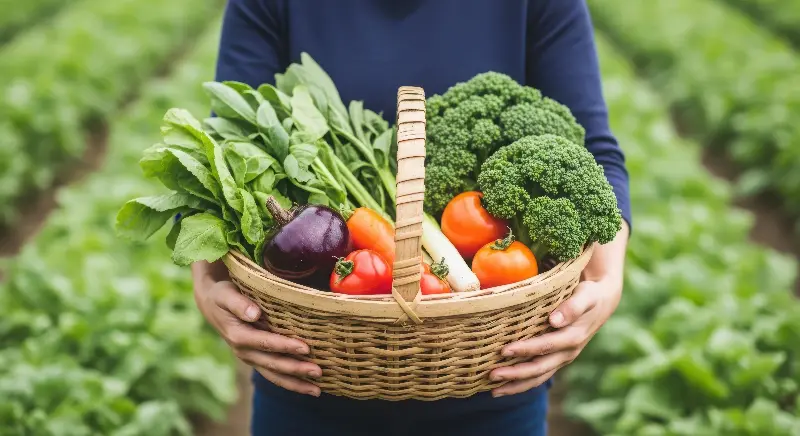
There’s something almost magical about winter markets dazzling with an array of glossy root vegetables, earthy brassicas, and leafy greens. As the cold air settles in December, many of us start noticing how some vegetables taste intriguingly better—sweeter, more vibrant, sometimes even packed with a flavor punch not present just months earlier. But what is it about December that makes certain vegetables so exceptional in taste? The answer is a fascinating blend of plant biology, environmental conditions, and a bit of culinary science.
The Science Behind December’s Sweeter Vegetables
As daylight hours shrink and nighttime temperatures dip, vegetables experience unique physiological changes. For many cold-hardy crops—think carrots, parsnips, kale, and Brussels sprouts—the chill triggers a natural survival mechanism, converting stored starches into sugars to prevent freezing damage. This process is known as cold-sweetening.
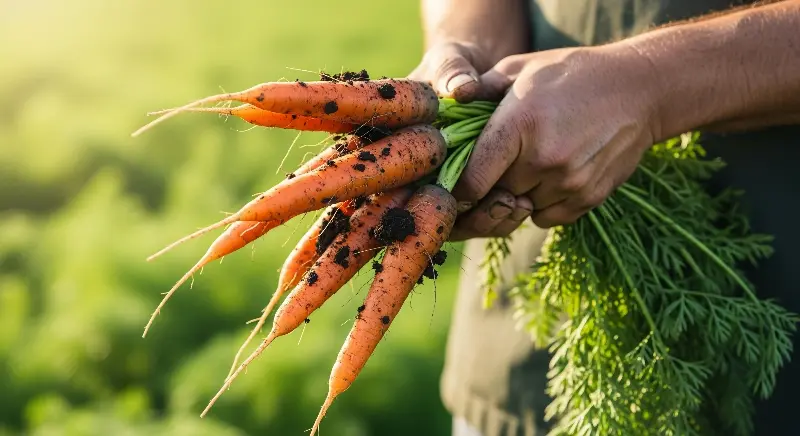
Carrots, for instance, have an impressive ability to boost their sugar content when frost threatens. The higher sugar acts as a kind of antifreeze, preventing the water in cells from freezing and damaging the plant. This same sugar makes December-harvested carrots pleasingly sweet, giving them a candy-like snap when bitten into raw or roasted. Similarly, Brussels sprouts shed their bitterness in the cold, and kale develops an almost nutty, mellow flavor.
Meanwhile, winter brassicas such as cabbage and collard greens become more tender and less pungent. In scientific terms, this is thanks to reduced production of glucosinolates—compounds known for their sharp, mustard-like tastes. As these decrease, the natural sugars and subtle savory notes come forward, making every bite gentler on the palate.
Why Timing and Freshness Are Key
The route from vine or root to your kitchen matters immensely. December is peak season for many local, cool-weather crops. Unlike vegetables harvested and stored in climate-controlled facilities for weeks or months, those picked at the height of their season are brimming with fresh flavor, texture, and aroma.
Seasonality ties closely with nutrient density, too. When a vegetable is harvested at its optimal time (which, for cold-hardened varieties, often means after the first frost), it’s not only sweeter and tastier but also richer in vitamins and antioxidants. The same carrot, for example, will contain more vitamin C and beta-carotene when it’s fresh from the December soil versus one stored for months.
Buying seasonal produce reduces the time vegetables spend in transit or storage, preserving their delicate sugars and volatile compounds that contribute to their flavor. This freshness also enhances their crunch, color, and nutritional punch, making a humble winter salad far more alluring.
Climate, Culture, And Culinary Tradition
December’s vegetable bounty isn’t just about biology—it’s also tied to culture and food heritage. Many classic winter dishes from around the world highlight cold-weather vegetables at their tastiest. French pot-au-feu and British bubble and squeak wouldn’t be the same without the naturally sweetened leeks, carrots, and cabbages that shine in December.
Northern Asian and European cuisines prize the complex flavors of cold-grown root and leafy vegetables, using them in heartwarming soups, stews, and pickles. This seasonal awareness is woven into regional traditions, long before refrigeration made it possible to eat anything, anytime.
Even modern chefs take advantage of this phenomenon. Many restaurants design their winter menus around locally sourced December vegetables, seeking the unique flavors that only a frosty field can bring to a plate. The result? Creative dishes that make the most of the cold’s flavor-enhancing magic.
How To Capture December’s Best In Your Kitchen
Savoring the enhanced flavors of December vegetables can be as simple as a trip to a local farmer’s market, where produce is likely fresher and harvested in season. For the home cook, focus on root vegetables and greens that love the cold—carrots, parsnips, turnips, radishes, kale, collard greens, and various cabbages.
Roasting brings out the natural sweetness and caramelization of these vegetables. Try tossing sliced carrots or Brussels sprouts in olive oil with a pinch of salt, then roasting until they’re golden and just slightly crisp on the edges. Kale and other hearty greens transform beautifully into warming sautés or crisp, oven-baked chips.
Remember that storing root vegetables in a cool, dark, and slightly humid place (think old-fashioned root cellar) helps preserve both their sweetness and texture. For greens, a quick soak in ice water can snap them back to freshness even after a chilly journey home.

Surprising Facts That May Change How You Shop
It might surprise you to learn that in some regions, certain vegetables simply cannot develop their full flavor profile without exposure to frost. Carrots are a prime example, but so are leeks and parsnips—a good frost breaks down their cell walls, unlocking flavor compounds that are otherwise dormant.
The reason why supermarket vegetables harvested out of season often taste bland is mostly due to rapid growth under artificial, controlled conditions—which don’t mimic the stress cues plants use to amplify flavor. Thus, those seeking naturally flavorful vegetables will find the depths of winter a rewarding time to explore.
Next time you bite into a sweet December carrot or simmer a batch of winter greens, remember you’re tasting the result of ancient survival strategies, smart harvesting, and nature’s cold-weather magic. Enjoy the season’s bounty, and let the unique flavors of December vegetables make your meals shine.