


Millions of tiny creatures spend their days and nights shaping the world in ways that most of us rarely notice. Insects, often overlooked and sometimes treated as unwanted houseguests, are in fact some of the planet’s most brilliant architects.
Across the globe, they design and build structures that inspire both awe and envy—not only because of their miniature scale, but because of their remarkable efficiency and engineering creativity. These delicate yet durable marvels reveal how nature’s smallest engineers have influenced everything from city skylines to the future of sustainable design.
MASTERS OF MINIATURE CONSTRUCTION
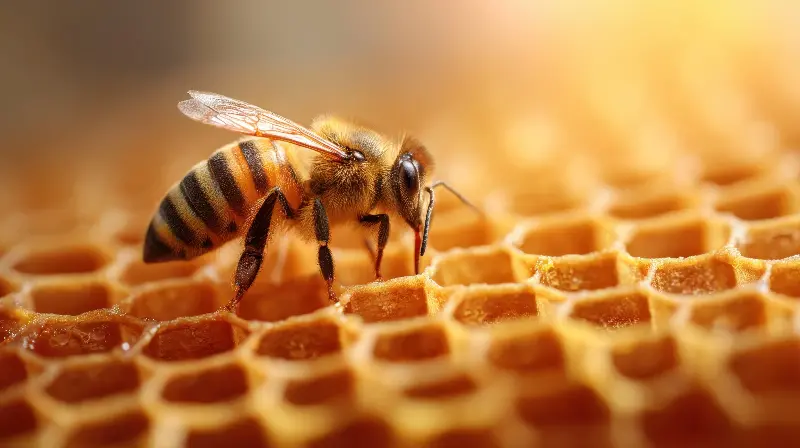
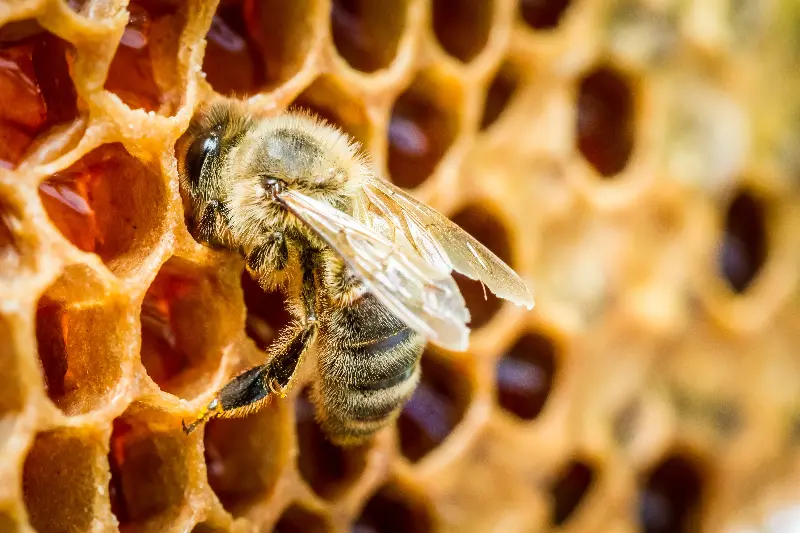
Take the honeybee, for example. Deep inside a hive, countless hexagonal cells interlock in a perfect pattern to form honeycomb. Mathematicians and engineers have long marveled at this design:
-
Efficiency: The hexagon uses the least amount of building material (wax) while providing the most storage space.
-
Versatility: Each cell is strong enough to hold honey, pollen, eggs, and developing larvae simultaneously.
-
Aerospace Inspiration: Even NASA has studied honeycomb patterns to design lightweight panels and crash-absorbing materials for spacecraft.
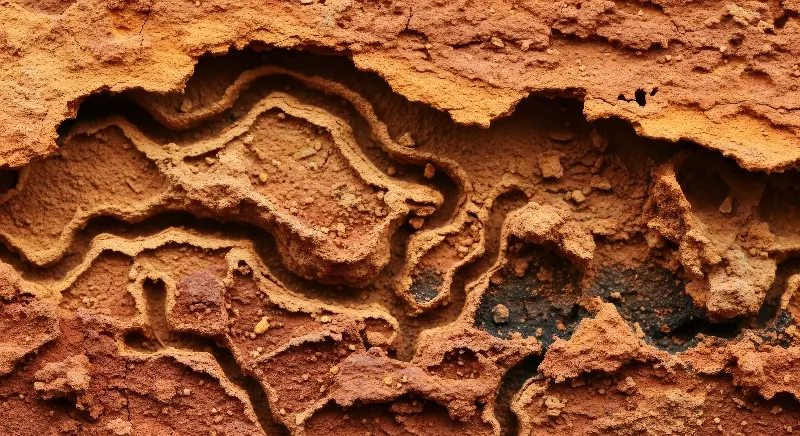
It isn’t just bees who are expert builders. Termites constructed mounds that put modern high-rises to shame. These towers can reach over 8 meters (26 feet) high and feature an intricate "passive cooling" system. By orchestrating air flows through a series of tunnels and chimneys, termites maintain a constant temperature inside. Architects famously borrowed this feature to design the Eastgate Centre in Zimbabwe, creating a building that stays cool without conventional air conditioning.
WEBS AND TRAPS: ARTISTRY IN SILK AND SAND
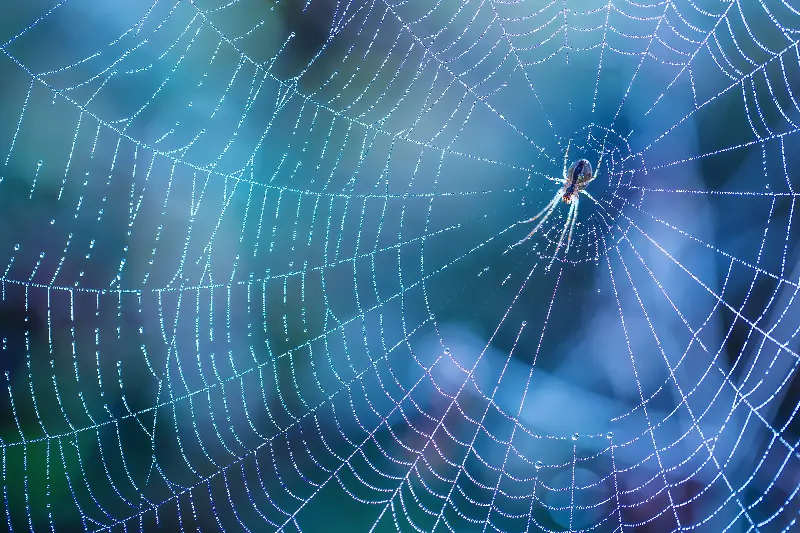
While spiders are technically arachnids, their work is central to any discussion on natural engineering. The classic orb web is a marvel of material science:
- Strength: Spider silk can be stronger than steel and more flexible than nylon.
- Weight: It is lighter than cotton and nearly invisible to prey.
- Innovation: Scientists are currently studying these fibers to revolutionize medical sutures and even bulletproof vests.
Insects also utilize silk with surprising skill. Leafroller caterpillars tie leaves together for protection, while caddisfly larvae use sticky silk to glue pebbles into armored tubes. Some insects even modify their physical environment more sneakily; the antlion larva digs perfect conical pit traps in loose sand, forcing prey to slide helplessly into its jaws.
TEAMWORK AND COMMUNICATION
What sets insect architects apart from human builders is their reliance on collective intelligence rather than blueprints. Many social insects have no leader; instead, thousands of individuals respond to simple environmental cues or chemical signals called pheromones.
Examples of this "swarm intelligence" include:
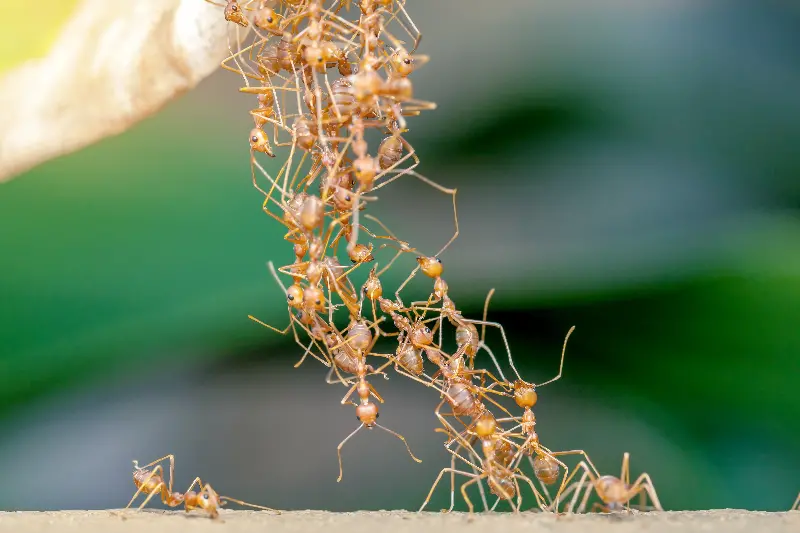
- Living Bridges: When army ants need to cross a gap, they link their bodies together, adjusting the structure in real-time as others cross.
- The Waggle Dance: Honeybees use specific movements to communicate the location of prime building sites or food sources.
- Decentralized Repair: Termite workers repair damage instantly based on changes in humidity, without needing central instructions.
This cooperative strategy is now a major focus in robotics, where researchers program swarms of simple robots to accomplish complex construction tasks.
BUG-INSPIRED BREAKTHROUGHS IN HUMAN ENGINEERING
The most impressive aspect of these natural structures is their efficiency. Insects must conserve energy and use local materials—priorities that mirror those of modern sustainable architecture.
Through the field of biomimicry, engineers are developing:
- Self-healing materials inspired by the way termite colonies repair tunnels.
- Networked communication based on the decentralized algorithms of ant colonies.
- Aerodynamic designs for high-speed transport inspired by the flight of wasps and dragonflies.
WHY INSECT ARCHITECTS MATTER
Though their work is performed on a miniature scale, insects play a massive role in shaping entire ecosystems. Their constructions provide shelter, regulate climate, and support biodiversity. As we face global challenges like climate change and the need for greener living, nature’s tiny engineers offer a roadmap to smarter solutions.
Next time you spot a honeycomb or a spider web glinting in the morning light, take a closer look. You aren't just looking at a bug's home—you are witnessing the future of architecture, designed by the humblest occupants of our planet.