


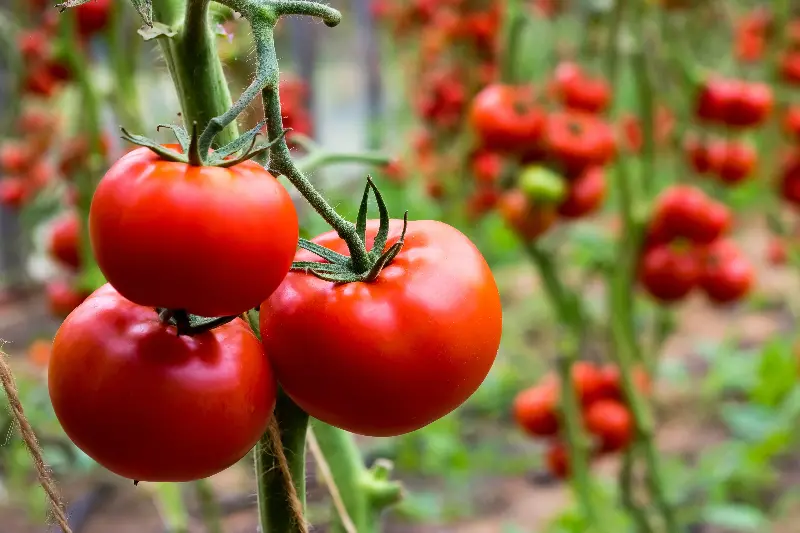
In the world of culinary history, few foods have stories quite as dramatic—and delicious—as the humble tomato. Imagine a world without pizza, ketchup, or fresh tomato salad simply because people believed the tomato to be a deadly poison. For nearly two centuries, this plump red fruit was eyed with suspicion across Europe and parts of North America.
How did such a staple of today’s kitchens once inspire so much fear? The answer is a compelling blend of botanical confusion, class warfare, and good old-fashioned mythmaking.
ORIGINS AND ARRIVAL IN EUROPE
Tomatoes are native to western South America, with evidence suggesting their domestication by the Aztecs and other Mesoamerican cultures as early as 500 BC. Spanish conquistadors encountered tomatoes after their arrival in the New World in the 16th century and transported them back to Europe.
Despite their acceptance in Mediterranean climates, tomatoes faced a rough welcome elsewhere:
- Spain and Italy: They began to appear early in local cuisine, embraced for their flavor.
- France: The French dubbed the fruit pomme d’amour, or "love apple", believing it was a potent aphrodisiac.
- England and Northern Europe: A much more sinister reputation took root, fueled by fear and misunderstanding.
THE DEADLY NIGHTSHADE CONNECTION
Central to the tomato’s dark reputation was its family tree. Tomatoes belong to the Solanaceae family, notoriously known as the nightshade family. This group includes a range of plants that are legitimately toxic:
- Belladonna: Known as "deadly nightshade".
- Mandrake: Often associated with hallucinations.
- Jimsonweed: A highly poisonous weed.
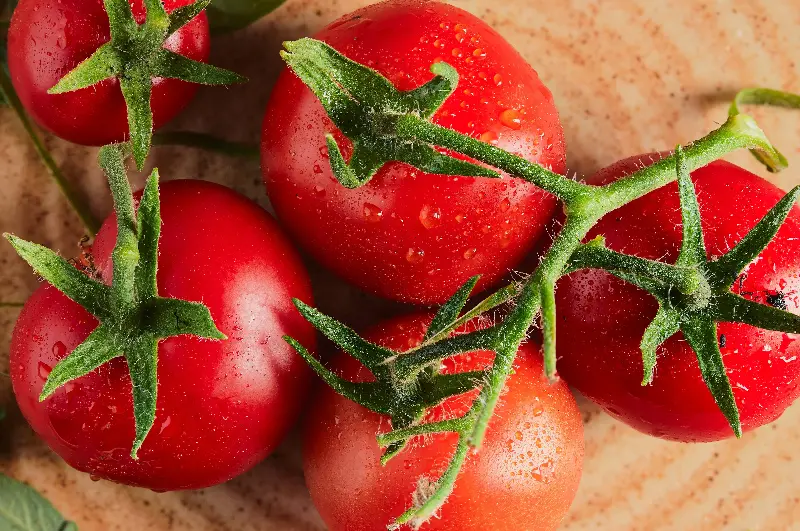
These notorious cousins struck fear into the hearts of herbalists and physicians. The tomato’s odd, somewhat sticky leaves and unusual, bright fruit only deepened the association. Botanists connected the tomato to its poisonous relatives, leading to the nickname "poison apple". Some even believed that eating tomatoes would turn your blood acidic or cause permanent madness.
ARISTOCRATS AND PEWTER PLATES: THE REAL CULPRIT
One of the more fascinating theories explaining the tomato’s evil reputation involves the upper crust of European society and their dinnerware. In the 1700s, many aristocrats ate off elegant pewter plates, which were made from a combination of tin and lead.
The mechanism of this "poisoning" was actually a chemical reaction:
- High Acidity: Tomatoes are naturally acidic.
- Leaching: When served on pewter, the acid would react with the lead.
- Lead Poisoning: The toxic metal leached into the food, causing nobles to fall ill or die.
The blame, unfortunately, fell on the tomato rather than the dangerous pewter. This led to a widespread myth that only the poor—who ate off earthenware—could safely consume the fruit. In reality, the poor were simply avoiding the lead reaction that was killing the wealthy.
TALES FROM THE GARDEN: SUPERSTITIONS AND FOLKLORE
It wasn’t just science and social status fueling tomato fears; folklore played a massive role. In the popular imagination, nightshade plants were surrounded by tales of witchcraft and sorcery.
- Curses: Some believed that simply touching a tomato plant could poison you.
- Alkaloids: The plant does produce small amounts of tomatine, a mildly toxic alkaloid present in the leaves and stems.
- Misidentification: Early botanists made little distinction between the edible fruit and the inedible green parts, further muddying the tomato’s reputation.

A BOLD BITE: DEBUNKING THE MYTH
The turning point didn’t come until the 18th and 19th centuries, as scientists began to clarify the differences between deadly nightshades and their edible cousins. One of the most famous legends involves Colonel Robert Gibbon Johnson.
In 1820, Johnson supposedly stood before a local courthouse in New Jersey and, to the shock of a horrified crowd, ate an entire basketful of tomatoes. He did not meet a gruesome end; instead, he survived, proving to the public that the fruit was harmless. While historians debate the literal truth of this event, its spirit captures the era's shift from skepticism to acceptance.
THE TRUTH TODAY: FROM SUSPICION TO SUPERFOOD
Now, the tomato is not just accepted—it’s celebrated. Once shunned for its supposed lethal properties, the tomato is recognized today as a nutritional powerhouse. It is famously rich in:
- Lycopene: A powerful antioxidant linked to heart health.
- Vitamin C and Potassium: Essential for immune function and blood pressure.
- Folate: Vital for cell repair and growth.
The wild myths that once surrounded the tomato have faded into delightful stories. Today’s gardens teem with every shape and color imaginable. The transformation from feared poison to culinary superstar reminds us how curiosity and bravery can rewrite history—and change our plates forever.