


The holy month of Ramadan, observed by millions of Muslims around the world, is a time of fasting, reflection, prayer, and community. As we enter this sacred period, the principles of restraint and mindfulness lend themselves beautifully to the practice of sustainability. In a world increasingly burdened by waste and pollution, integrating eco-conscious habits into Ramadan rituals is not only a means of nurturing our spiritual well-being but also of safeguarding the environment.

Embracing the Green in Ramadan
Reducing waste and practicing sustainability can take many forms, from food consumption to the use of resources. One significant aspect of Ramadan is the breaking of the fast with the evening meal known as Iftar. Often, this translates into grand feasts and an overabundance of food, much of which unfortunately goes to waste. This year, why not take a pledge to minimise food waste by preparing and serving only what is likely to be consumed? By planning meals, using leftovers creatively, and sharing excess food with those in need, we embrace not just the spirit of Ramadan but also the essence of sustainable living.
A Sustainable Fast Begins With Conscious Choices
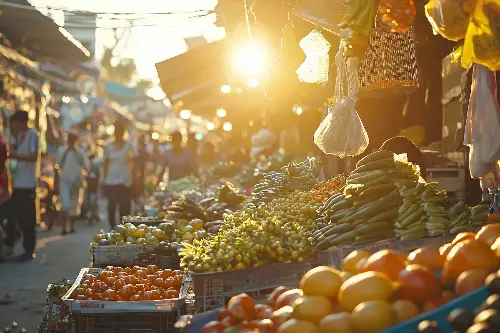
An eco-conscious Ramadan can start even before the fast begins. For Suhur, the pre-dawn meal, consider incorporating organic, locally-sourced produce into your diet. Supporting farmers markets and local businesses reduces the carbon footprint associated with long-distance food transport, and often results in fresher, healthier ingredients on your table.
Waste Not, Want Not – Mindful Consumption and Recycling
Throughout the month, being mindful of resource consumption is key. Water conservation is critical, particularly in regions where it is scarce. Use water sparingly during ablutions and consider installing water-saving devices in your home. Additionally, be mindful of your energy consumption. Longer nights spent in prayer and contemplation can lead to increased usage of lights and electrical appliances. Using LED lighting or solar-powered lamps not only reduces electricity bills but also treads lightly on the earth.
Properly sorting and recycling waste is another avenue to a more sustainable Ramadan. Implement a system in your home and community for separating recyclables from general waste, and be diligent in disposing of items correctly.
Sustainable Fashion and Decoration
Ramadan often brings a sense of renewal that extends to our wardrobes and homes. This year, resist the urge to buy new clothes for Eid celebrations or to decorate your home with single-use items. Opt for clothing made of sustainable materials from ethical brands, and choose decorations that can be reused year after year, contributing to a lower ecological impact.

Caring for Community and Charitable Acts
Eco-sustainability goes hand in hand with the charitable spirit of Ramadan. Volunteering for local clean-up initiatives or donating to environmental causes reinforces the notion of responsible stewardship of the earth. If you have the means, contribute towards community projects that promote sustainability, such as planting trees or establishing a community garden.
Efficient Transportation and Reduced Carbon Footprint
Travel is another area where we can make a difference. Consider carpooling to Taraweeh prayers or using public transport. Not only does this foster a sense of community, but it also significantly reduces the carbon footprint associated with multiple vehicles on the road.

Educate, Encourage, and Engage
Sharing knowledge is powerful. Use this Ramadan as an opportunity to educate family and friends on the importance of sustainability. Encourage them to adopt eco-friendly practices and engage them in discussions on how they too can contribute to a healthier planet.
Reflection and Commitment Beyond Ramadan
The habits cultivated during Ramadan have the potential to extend well beyond the month. Reflect on the changes made and commit to retaining those that have a positive impact on the environment. Let this month of spiritual growth also be one of cultivating a sustainable lifestyle that honours and preserves the natural world.
In conclusion, an eco-conscious Ramadan is a practical and profound way to connect deeper with the principles of the holy month. Through mindful consumption, waste reduction, and sustainable practices, we not only enrich our own spiritual journey but also contribute to the health and balance of the environment we inhabit. This Ramadan, as we fast, pray, and reflect, let us also commit to being responsible custodians of the earth, fostering a legacy of sustainability for generations to come.