


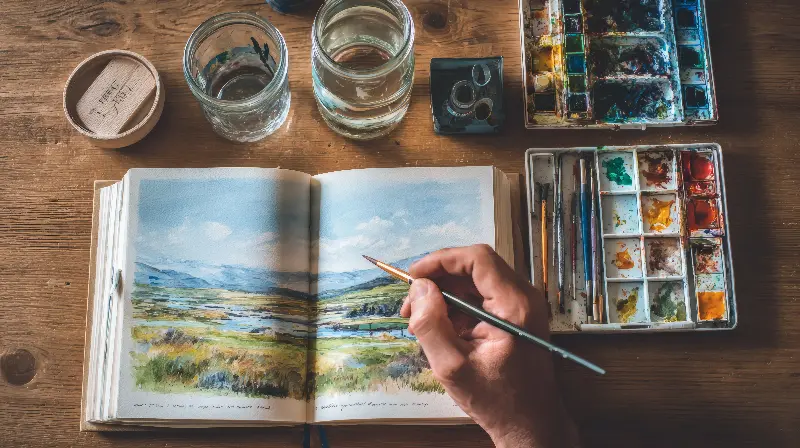
For many, watercolor painting conjures images of delicate landscapes, luminous floral blossoms, and vintage greeting cards. But beneath its gentle appearance lies a world of dynamic surprise—where color flows freely, happy accidents spark creativity, and every brushstroke reveals a new possibility.
If you’ve ever felt swept away by the dreamy washes of a watercolor masterpiece, you’re not alone. This art form has captured hearts for centuries and is far more accessible to beginners than you might expect. The secret lies not in perfection, but in the collaboration between the artist and the element of water.
A DANCE OF WATER AND PIGMENT
Watercolor painting stands apart because it relies on one crucial ingredient: water. Unlike oils or acrylics, which sit opaquely on the surface, watercolors are prized for their transparency and the ease with which colors blend into each other.
- The Bloom Effect: When you touch a wet brush to a damp surface, the paint "blooms," spreading out in organic, feather-like patterns.
- Tactile Serendipity: The process feels like a dance—part precision, part chance.
- Transparency: Because the paper reflects light through the thin layers of paint, the artwork appears to glow from within.
For beginners, this fluidity might seem intimidating. Yet, it’s exactly what makes watercolor magical. Unlike other paints, watercolors reward the artist who can “let go” and allow nature to take part in the process. You quickly discover that this medium leads to stunning gradients and beautiful backruns that other mediums struggle to achieve.
TOOLS OF THE TRADE: SIMPLICITY AT ITS BEST
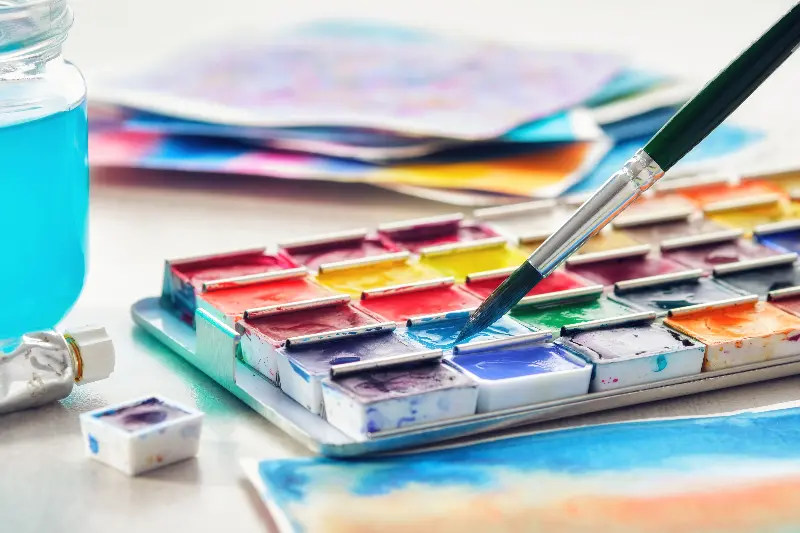
One of the most alluring aspects of watercolor is its simplicity. At its core, you don't need a massive studio or expensive machinery. You only need a few essentials to begin your journey:
- Quality Paper: This is the most important investment. Watercolor paper is specially sized to handle wet media, allowing pigments to spread softly without curling, "pilling," or tearing.
- Soft Brushes: Generally made of synthetic or natural hair, these are designed to hold a large volume of water. A Basic Round Brush is the most versatile choice for both fine lines and broad washes.
- A Simple Palette: You can start with just a few basic pigments—typically a warm and cool version of red, blue, and yellow.
- Two Jars of Water: One for cleaning your brush and one for providing "clean" water to your paints.

THE JOY OF COLOR: MIXING, LAYERING, AND ADVENTURE
One of the first delights awaiting a beginner is the discovery of color mixing. Watercolor paints appear vivid in their pans, but they truly come alive when diluted.
Layering, or glazing, is another unique pleasure. By painting a transparent wash over another fully dried one, you unlock:
- Refined Shadows: Building darks slowly to maintain clarity.
- Glowing Highlights: Using the white of the paper to create light.
- Depth: Creating a three-dimensional feel without "muddying" the painting.
Because of the medium’s transparency, two overlapped colors often yield a third that glows with a unique vibrancy. You might paint a stormy sky and watch blues, purples, and burnt oranges swirl into a sunset you never planned—but love all the same.
EMBRACING MISTAKES: THE BEAUTY OF HAPPY ACCIDENTS
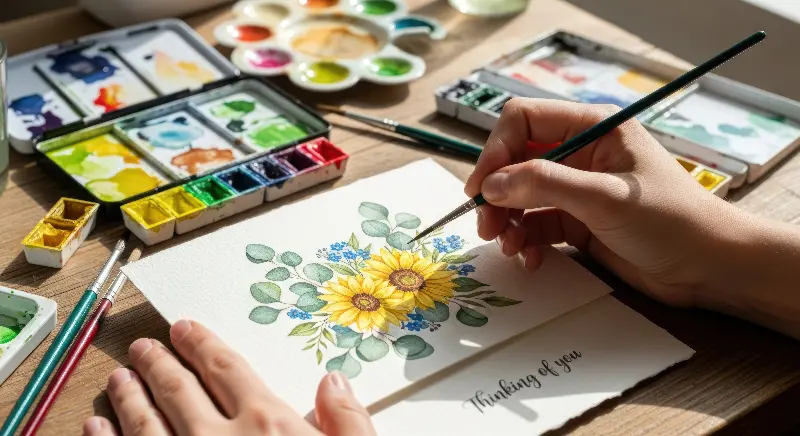
Ask any watercolor artist and they will tell you about the wonder—and occasional frustration—of unpredictability. Your brush might drop too much water, causing a "cauliflower" or "bloom" effect, or two colors might bleed together unexpectedly.
The good news for beginners is that these surprises aren’t setbacks; they are opportunities. Many professional artists spend years trying to replicate the "magic" of a spontaneous edge that happened by chance. Learning to embrace these happy accidents teaches patience and flexibility. In watercolor, a "mistake" can often be the most interesting part of the entire composition.
MINDFUL MOMENTS AND ARTISTIC GROWTH
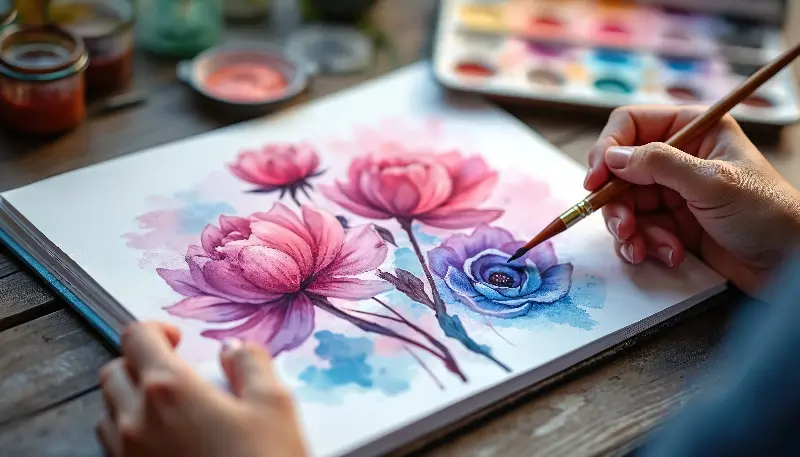
Beyond its aesthetic appeal, watercolor offers a kind of meditation in motion. The repetitive brushstrokes, the calming sounds of water, and the slow unfolding of a painting all help quiet the mind.
As your confidence grows, you can experiment with specialized techniques:
- Wet-on-Dry: For crisp, sharp edges and fine details.
- Wet-on-Wet: For soft, blurry backgrounds and atmospheric effects.
- Salt and Wax Resist: Using household items to create unique textures and patterns.
Whether you seek a new hobby or a lifelong passion, all it takes is water, color, and a little courage. The world of watercolor is vast, yet welcoming—reminding us that art is not about perfection, but the pleasure of exploration.