


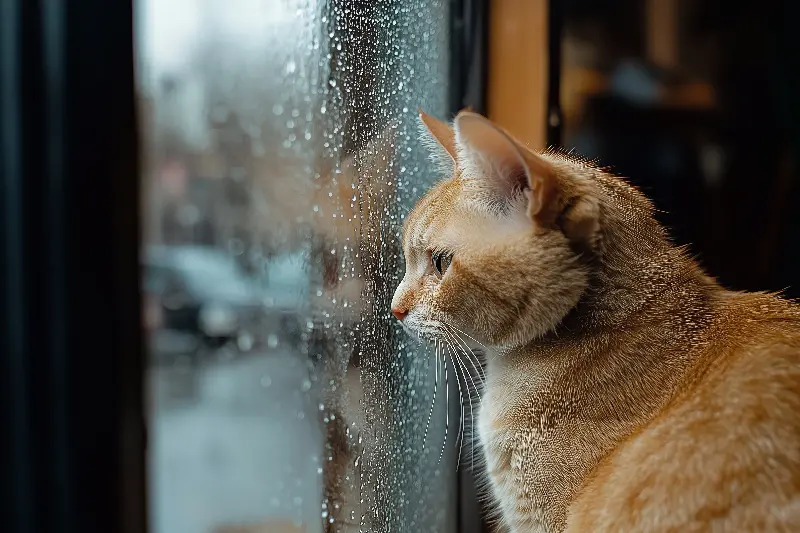
Anyone who has spent time with a cat knows that these mysterious pets have their own unique ways of telling us how they feel. Sometimes, your fluffy friend relishes a good cuddle. Other times, even the gentlest approach can earn you a tail flick or a hasty retreat.
Understanding when your cat is asking for space isn’t always obvious, but being able to read the subtle stress signals is key to a happier, healthier relationship. If you’ve ever wondered whether your cat is craving solitude or if their mood swings are just part of the feline mystique, it’s time to observe the facts behind the flicks and twitches.
The Power Of Body Language
Cats are masters of nonverbal communication. Unlike dogs, who might whimper or bark for attention, cats use more nuanced methods to communicate discomfort.
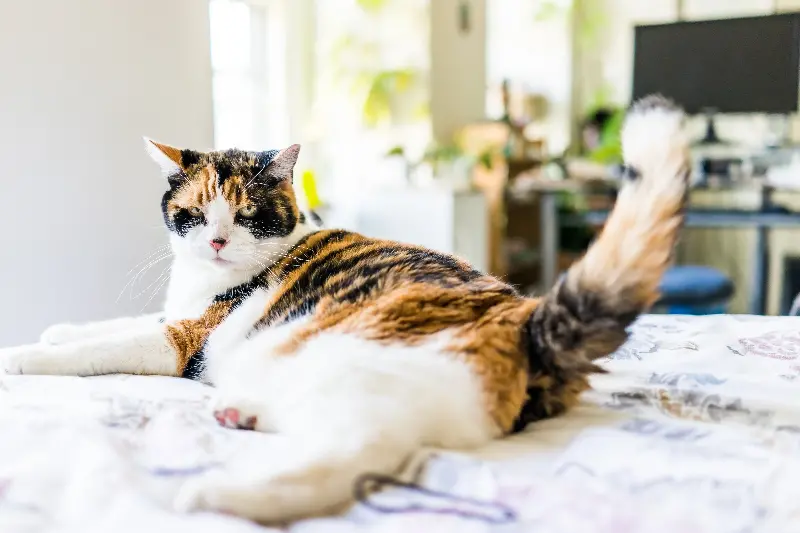
- The Tail: A classic sign is the swishing or lashing tail. While a gently waving tail might mean curiosity, an agitated, rapidly flicking tail often signals irritation. If you spot a "puffed up" tail, this is a clear sign of fear or high distress.
- The Ears: Watch the position of the ears closely. Ears held forward show contentment, but if your cat pins their ears sideways ("airplane ears") or flat backward, they are likely feeling threatened or annoyed.
- Body Posture: Look for crouching or shrinking. A cat trying to make themselves look smaller or tenser usually wants to be left alone.
Eyes: The Windows To Their Mood
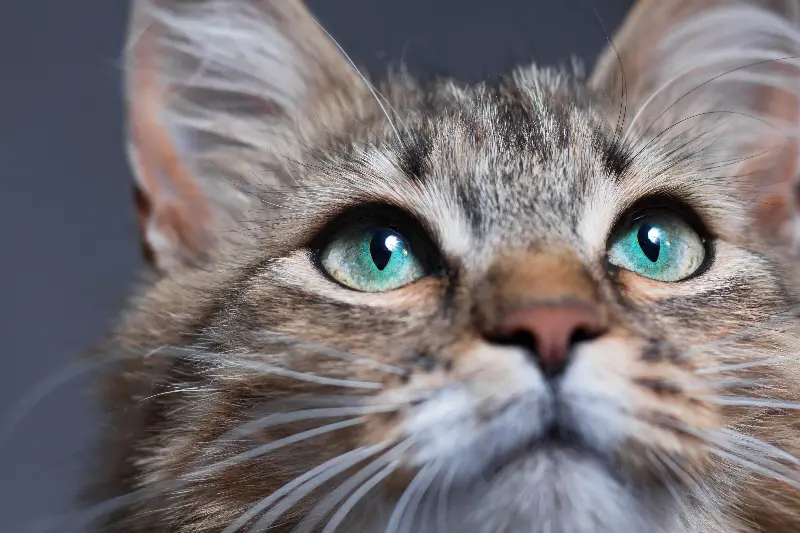
A cat’s eyes offer remarkable insight into their emotional state. Changes in the pupils can happen in a split second, reflecting their internal "fight or flight" status.
Wide, dilated pupils can mean excitement, but in a stationary cat, they often signal fear or being "on high alert." If your cat’s pupils expand as you approach, they might be feeling invaded. On the other hand, constricted, slit-like pupils can indicate aggression or intense focus.
Pay attention to the Slow Blink. This is the ultimate feline "I trust you." If your cat instead gives you a hard, unblinking stare, or frequently looks away to avoid eye contact, they are signaling a preference for solitude.
Hiding And Avoidance: Feline Coping Mechanisms
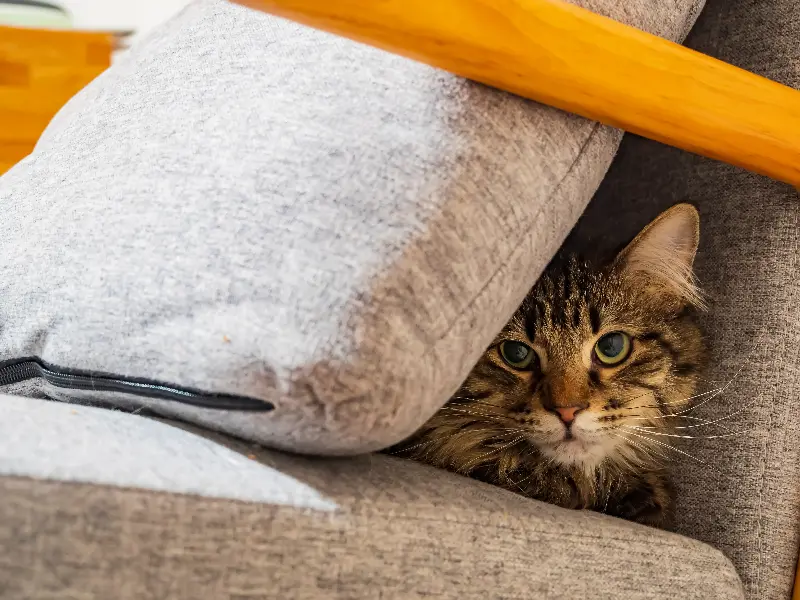
While dogs might follow you from room to room when anxious, cats often prefer to disappear. Hiding is a natural behavior for cats under stress, whether it’s from a change in household routine, new guests, or even "social fatigue" from too much human affection.
- Under the bed or in closets: These dark, enclosed spaces provide a sense of security.
- High perches: Seeking high ground allows them to observe "threats" from a safe distance.
Avoidance doesn’t always mean your cat is "mad" at you; it’s their instinctual way of recharging their social battery. However, if hiding becomes excessive or is accompanied by changes in appetite, it could indicate underlying health issues.
Vocal Clues And Unusual Sounds
Cats aren’t always silent when they’re stressed. While hissing and growling are overt "stay away" warnings, there are subtler vocal cues to listen for:
- Low-pitched Meowing: A change in tone can indicate unease.
- Increased Vocalization: A typically quiet cat that suddenly becomes chatty might be trying to redirect your attention away from them.
- Sudden Silence: Conversely, if a chatty cat goes completely quiet when you enter a room, they may be trying to remain "invisible" to avoid interaction.
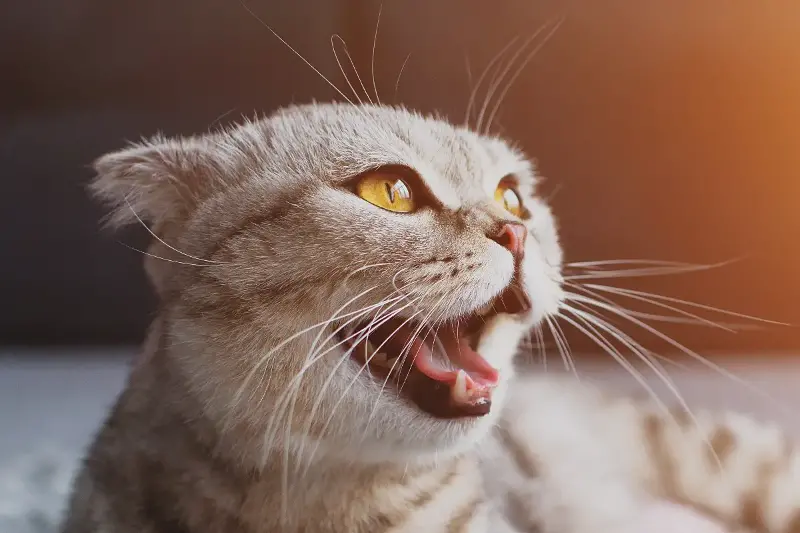
Grooming Gone Rogue
Cats spend up to half their waking hours grooming. When stressed, however, this self-care routine can turn into a compulsive behavior.
- Over-grooming: Also known as psychogenic alopecia, this is where a cat licks a specific area (usually the belly or legs) until bald patches or red, irritated skin appear.
- Under-grooming: A stressed or ill cat may stop caring for their coat entirely, leading to a dull, matted, or greasy appearance.
Changes in grooming are often a cry for help. While giving your cat autonomy can reduce emotional stress, sudden changes in the coat should always be discussed with a veterinarian to rule out physical pain.
