


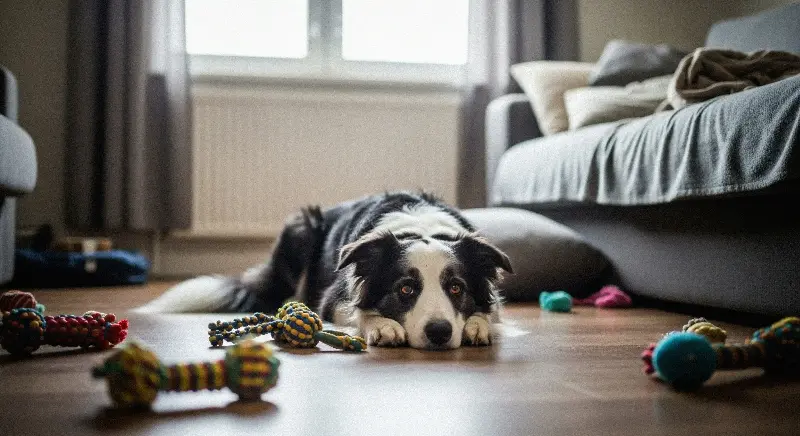
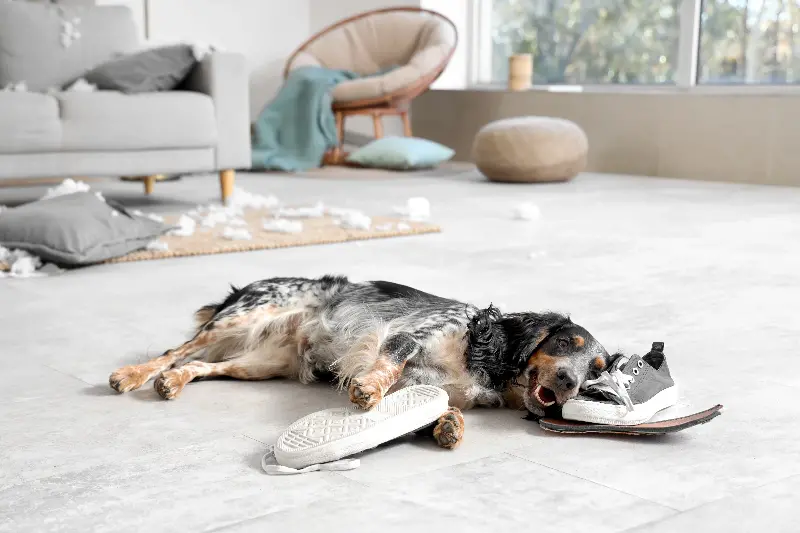
Dogs are notorious for their endless curiosity and boundless energy. If there’s a loose shoe, a lonely sock, or a chewable anything within nose’s reach, your pup can usually be found there. But what if you could channel that energy and intelligence into something productive?
At-home brain games do just that, offering your dog mental workouts that keep them sharp, reduce boredom, and—as a delightful bonus—save your favorite loafers from becoming yet another shoe-shaped snack. By engaging their minds, you are transforming their destructive "hobbies" into constructive problem-solving skills.
Why Mental Stimulation Matters For Dogs
Engaging your dog’s mind goes far beyond simple entertainment. Dogs are intelligent animals, many breeds having been developed for specific tasks that require both physical agility and mental acuity. If their brains aren’t kept busy, they will inevitably look for their own ways to pass the time—often at the expense of your home decor.
- Reduce Anxiety: Brain games lower cortisol levels by focusing the dog's attention.
- Curb Destruction: Stimulated dogs are less likely to chew, bark, or dig out of frustration.
- Slow Cognitive Aging: Just like humans, dogs who "exercise" their brains stay sharper as they enter their senior years.
Scientists have found that dogs receiving regular problem-solving tasks show lower stress levels and are generally happier. When your pup is challenged, your home—and your shoes—truly benefit.
The Classic Shell Game: A Nose-Work Favorite
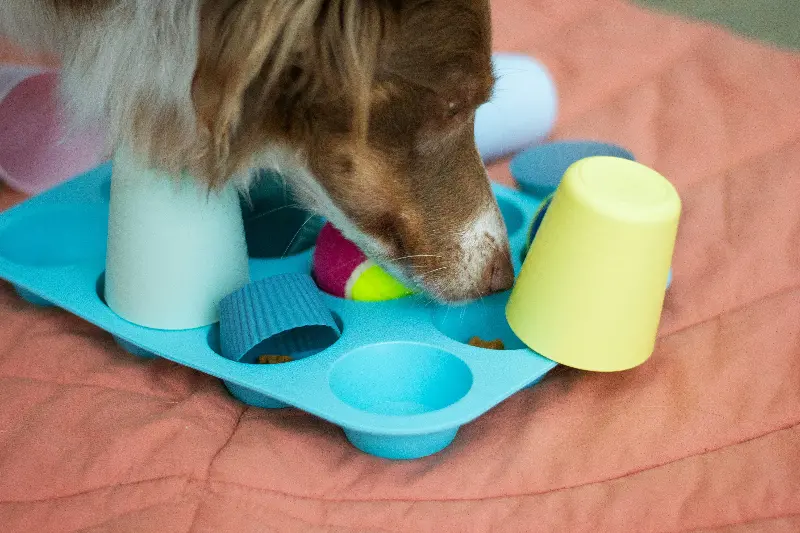
One of the oldest and most effective brain games for dogs is the shell game. You may recognize it from street magicians, but dogs love it because it taps into their primary sense: smell.
How to play:
- Place three identical, opaque cups upside down on the floor.
- While your dog watches, place a high-value, "smelly" treat under one cup.
- Shuffle the cups around slowly.
- Encourage your dog to "find it!"
Watch as your dog sniffs, paws, and nudges the right cup. Once they succeed, shower them with praise. This game teaches patience and scent discrimination. You can increase the difficulty by adding more cups or using less aromatic treats to sharpen their olfactory skills.
DIY Snuffle Mat: Unleash The Forager Within
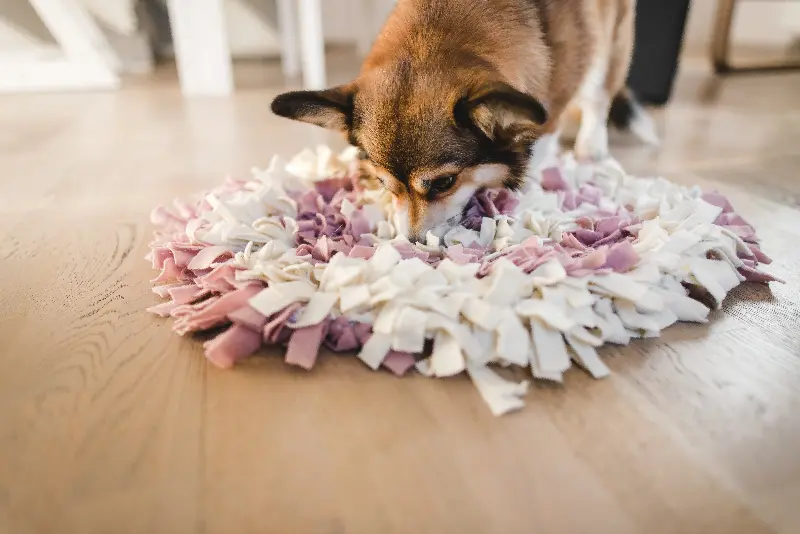
Dogs naturally enjoy foraging—it is an instinctual behavior inherited from their wild ancestors. A snuffle mat is a simple but powerful tool that mimics the experience of searching for food in long grass.
The Setup: You can create your own snuffle mat using a heavy rubber mat with holes and strips of fleece tied through them to create a thick, "shaggy" surface. Sprinkle kibble or small treats deep between the fleece strips.
- Slows Fast Eaters: Excellent for dogs that gulp their food too quickly.
- Energy Burn: Sniffing is hard work; ten minutes of snuffling can be as tiring as a long walk.
- Confidence Building: Finding "hidden" treasure reinforces positive self-rewarding behavior.
The Towel Puzzle: The Everyday Enigma
No fancy materials are needed for this—just a standard bath towel and a handful of treats. This is the perfect low-prep activity for rainy days when outdoor exercise is limited.
Instructional Steps:
- Lay a towel flat and place treats in a line across the center.
- Roll the towel up into a long cylinder.
- For an added challenge, twist it into a loose knot or fold it into a "Z" shape.
Present the bundled towel to your dog and watch as they use their paws and muzzle to unroll the mystery. This helps with dexterity and mood regulation, as the slow release of food keeps them calm and focused.
Hide And Seek: Classic Fun With A Brainy Twist
Hide and seek isn’t just for kids; it is an incredible way to develop a dog's focus and recall. Dogs who play this regularly are often more attentive to their owners in distracting environments.
How to Execute:
- Command your dog to "sit" and "stay".
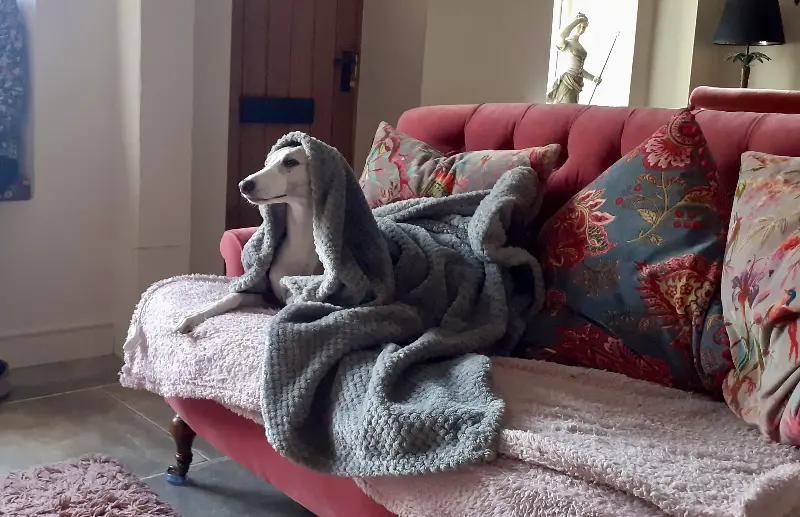
- Hide in another room (behind a door or under a blanket).
- Call your dog’s name once.
- When they find you, celebrate with a "jackpot" of treats or a favorite toy.
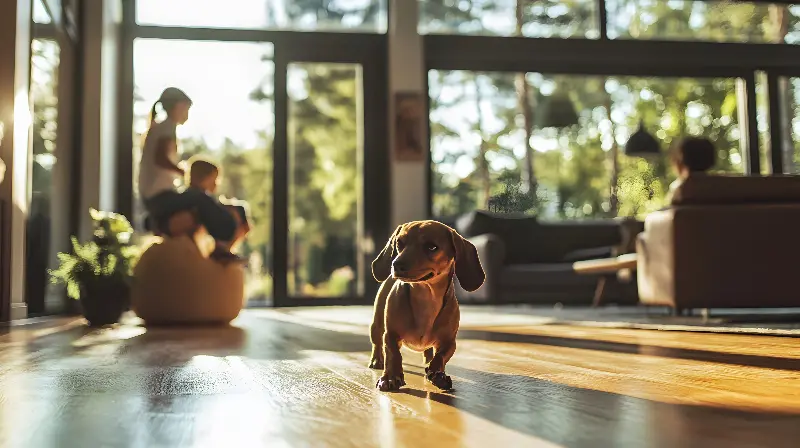
If your dog isn’t ready to find people, start by hiding their favorite toys around the living room. This develops environmental awareness and strengthens the bond between you.
Homemade Treat-Dispensing Puzzle: Tasty Brain Teasers
Before you toss those plastic bottles into the recycling bin, turn them into interactive feeders. This simple DIY project provides hours of engagement.
The Build: Take a clean plastic bottle and cut a few holes—just slightly larger than the size of your dog's kibble—around the sides. Place dry treats inside and recap it tightly. As your dog bats, paws, and noses the bottle across the floor, treats fall out randomly.
Studies confirm that interactive feeding makes mealtime more engaging and significantly curbs behavioral issues linked with boredom. Just ensure you supervise this play to prevent your dog from chewing on the plastic itself.
Keeping Shoes Safe And Tails Wagging
A mentally stimulated dog is a happy dog—and a happy dog doesn’t develop destructive obsessions with household items like shoes and remote controls. By weaving these brain-boosting games into your daily routine, you aren’t just safeguarding your belongings; you are building a deeper, more trusting relationship with your four-legged family member. In the end, it’s not just about saving your shoes—it’s about creating a joyful, enriching life for your dog.