



If your car smells less like a breath of fresh air and more like yesterday’s drive-thru order, you’re not alone. A car is more than just a mode of transportation—it’s a living space on wheels. As lives get busier, easy snacks, coffee runs, and muddy errands all contribute to lingering odors and questionable stains. Fortunately, auto detailing pros and car care enthusiasts have mastered techniques to banish bad smells for good and keep interiors inviting. Here’s how you can borrow a few of their expert secrets to keep your ride feeling—and smelling—like new.
The Science Behind Car Odors
Most unwanted smells inside vehicles don’t come out of nowhere. They’re the result of organic matter—think food crumbs, sweat, spilled drinks, or pet hair—breaking down and releasing odor molecules. Car interiors, with their fabric seats, deep carpets, and small closed spaces, create the perfect environment to trap and hold onto these smells. Common culprits include moisture buildup from wet shoes, forgotten gym bags, and even the air conditioning system harboring mold or bacteria.
Understanding this means you can get to the source of the problem, not just mask it. The key is to remove the offending substance and eliminate bacteria or mold that might have formed.
Vacuuming Like a Pro
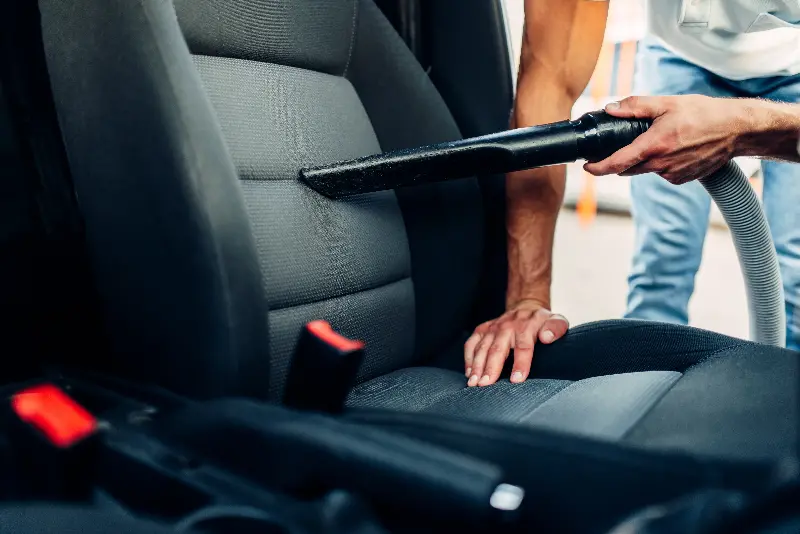
Professional detailers swear by their vacuum cleaners, and for good reason. Before you even touch a cleaning spray or air freshener, a thorough vacuuming session sets the stage for real freshness. Don’t just skim over the visible surfaces. Move seats forward and backward to expose hidden debris, use nozzle attachments to reach ashtrays, cup holders, air vents, and all those tricky seams where dust and dirt gather.
Don’t forget the trunk or hatch area, which often hides gym gear or forgotten snacks. After vacuuming, shake out or wash rubber mats—an often-overlooked odor sponge.
Deep Cleaning Upholstery and Carpets
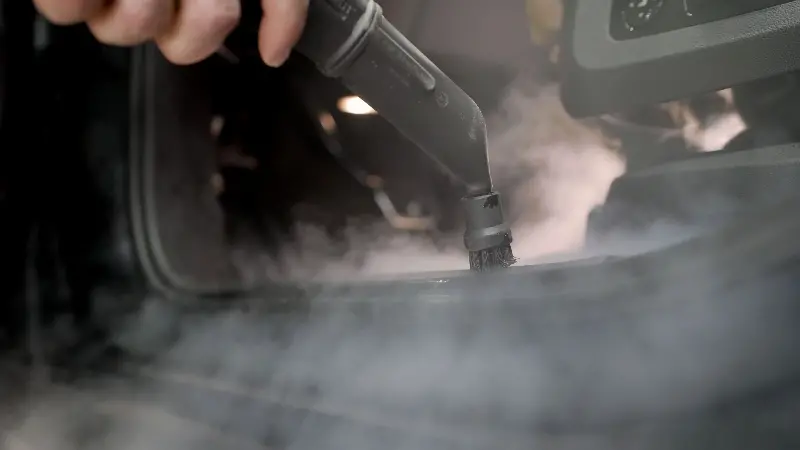
Fabric seats and floor carpets are like sponges for odor molecules. To truly erase bad smells, you’ll need to deep-clean these surfaces. Most detailing pros use a hot-water extractor or steam cleaner to treat seats and floor mats. These machines inject hot water (often mixed with cleaning solution), then suck up grime and lingering bacteria.
If you’re cleaning at home, a simple trick is to use a mix of water, white vinegar, and a few drops of dish soap. Lightly spray this solution, scrub gently with a soft-bristled brush, and blot away the moisture with clean towels. Always let your car air out afterward—cracked windows, fans, and a dry day help speed up the process.
For stubborn stains and smells, sprinkle baking soda on fabric surfaces, let it sit overnight, and then vacuum thoroughly. Baking soda is a natural deodorizer that absorbs moisture and lingering acids from spills.
Targeting Source-Specific Odors
Different smells need different strategies. For smoke odors, a specialized smoke-odor eliminator (often containing activated carbon or ozone treatment) can neutralize particles cigarettes leave behind. For pet odors, an enzyme-based cleaner tackles the proteins found in pet saliva and accidents. If there’s ever been a milk spill, you’ll need both a cleaner and patience; milk proteins are particularly stubborn. Repeat treatments, plus hot water, break down the odor at its chemical level.
Don’t forget the air conditioning system, which can harbor mold or mildew. Run the heater on full blast with the windows open for ten minutes once a month. You can also spray a car-specific AC cleaner into the air intake to freshen the system from the inside out.
Freshening the Air—Naturally
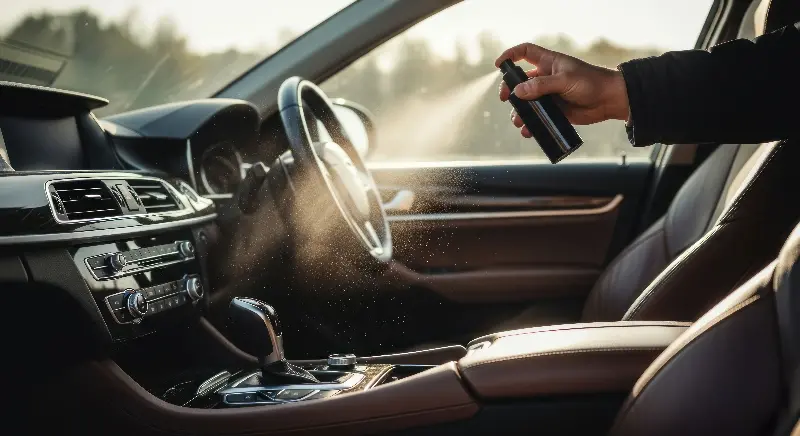
Air fresheners only cover smells temporarily, and artificial scents can become overwhelming. Pros recommend natural odor absorbers. Activated charcoal bags are favorites—they pull in and trap particles responsible for stink without adding new fragrances. Simply place a small pouch under the seat or in a cup holder.
Another technique is to leave an open container of baking soda or coffee grounds in the car overnight. Both absorb odors and leave a subtler, more pleasant scent behind.
If you love a hint of freshness, try a few drops of essential oil (like lavender or citrus) added to a cotton ball and stashed near an air vent. This delivers a gentle, natural aroma without bombarding your senses.
